Video editing trends refer to the shift in processing techniques that impact audiences’ watchtime, the video publishing platforms’ ranking, and video content production. In 2026, trends in video editing emphasizes AI-generated video, short-form video, live video editing, and vertical video editing, among others.
Editing trends of video focus on retention-first editing, platform-native formats, and AI-assisted workflows. Following trends helps creators stay discoverable, relatable, and continuously improve content based on real audience behavior, excluding the guesswork.
What you’ll learn in this article
- 1 What Are Video Editing Trends?
- 2 Why Are Video Editing Trends Important?
- 3 What Are the Current Video Editing Trends in 2026?
- 3.1 1. AI-Generated Video Editing
- 3.2 2. Short-Form Video Editing
- 3.3 3. Live Video Editing
- 3.4 4. Vertical Video Editing
- 3.5 5. Interactive Videos
- 3.6 6. Cinematic Color Grading Techniques
- 3.7 7. Kinetic Typography and Motion Graphics
- 3.8 8. VR (Virtual Reality) and 360° Video Editing
- 3.9 9. Avoiding Standard Aspect Ratios
- 3.10 10. Adoption of 8K Video Editing
- 3.11 11. Storytelling Marketing and Serialized Video Editing
- 3.12 12. Cloud-Based Collaboration and Editing
- 3.13 13. Educational Video Editing
- 4 How Does AI Video Editing Software Impact Video Editing Trends?
- 5 FAQ’s
What Are Video Editing Trends?
Video editing trends are the changes in video styles, tools, concepts, and storytelling development that creators adopt to reshape and restructure the content perspective among the viewers. Some trendy video editing trends include fast jump cuts on TikTok, cinematic AI captions, color grading in YouTube vlogs, meme-driven pacing, etc.
Video editing trends have an impact on videos in many ways, as follows.
- Videos reshape viewers’ attention span expectations. The audience allows 1 to 3 seconds for the hook.
- Trends influence the publishing platform’s algorithms by impacting replays, retention, and watchtime.
- These changes affect video creators’ workflows vertical-first formats and multiple cuts from one video are popular now.
- They redefine professional quality that’s why authentic pacing, relatable editing, and native platform style are mostly used now.
Why Are Video Editing Trends Important?
Video editing trends are important because they directly impact content consumption, viewer engagement, and retention. Using the latest trends makes video narratives updated and easy to follow. It improves content watchtime and aligns with platform algorithms. Google finds this content helpful and makes it more discoverable, driving more conversions.
Other importance of video editing trends are as follows.
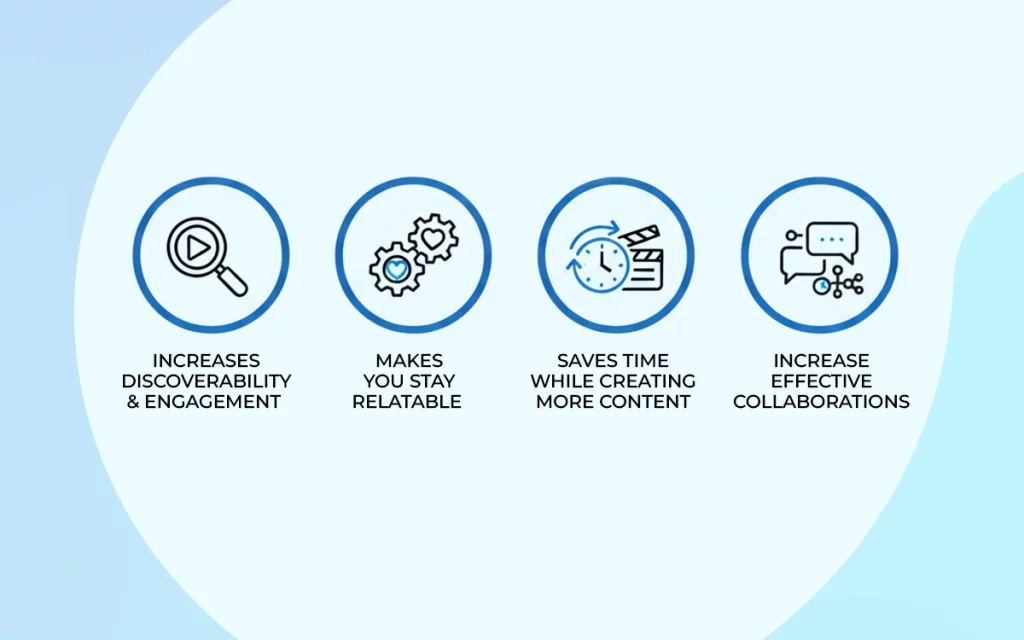
Increases Discoverability and Engagement
Adopting the latest trends in video editing helps your videos feel fresh and contemporary. Video sharing platforms prioritize content with hooks, pacing, and formats audiences are already interacting with.
Makes You Stay Relatable
Editing trends make your content modern, relevant, and natural in terms of technical and conceptual perspectives. It helps viewers trust and connect with your brand.
Saves Time While Creating More Content
Using trendy templates and techniques, AI tools, and modular workflows allows more time and space for video editors to apply creativity. They produce multiple versions or formats without sacrificing quality.
Increase Effective Collaborations
Following trends provides more insights into what works. You can test the hooks, pacing, and style, get real-time feedback, and instantly refine based on viewer engagement.
What Are the Current Video Editing Trends in 2026?
Current video editing trends in 2026 are the ones that are fast-paced, high-quality, and feel interactive and authentic, which include AI-generated editing, short-form videos, live video editing, vertical video editing, interactive videos, cinematic color grading, and Kinetic typography and motion graphics, among others.
A list of 13 video editing trends of 2026 is listed as follows.
1. AI-Generated Video Editing
AI-generated video editing is the latest technology that uses machine learning to automate editing tasks such as auto-cut footage, add captions, balance color, and suggest edits. It offers fast output and is widely used for social media content. However, AI-editing is yet to reach industry-standard accuracy.
2. Short-Form Video Editing
Short-form video editing is quick and contains high-impact storytelling within 15–60 seconds. They are fast-paced, loop-friendly content that hooks and engage viewers instantly. Short-form videos are mostly used in TikTok, Instagram Reels, YouTube Shorts, social ads, etc.
3. Live Video Editing
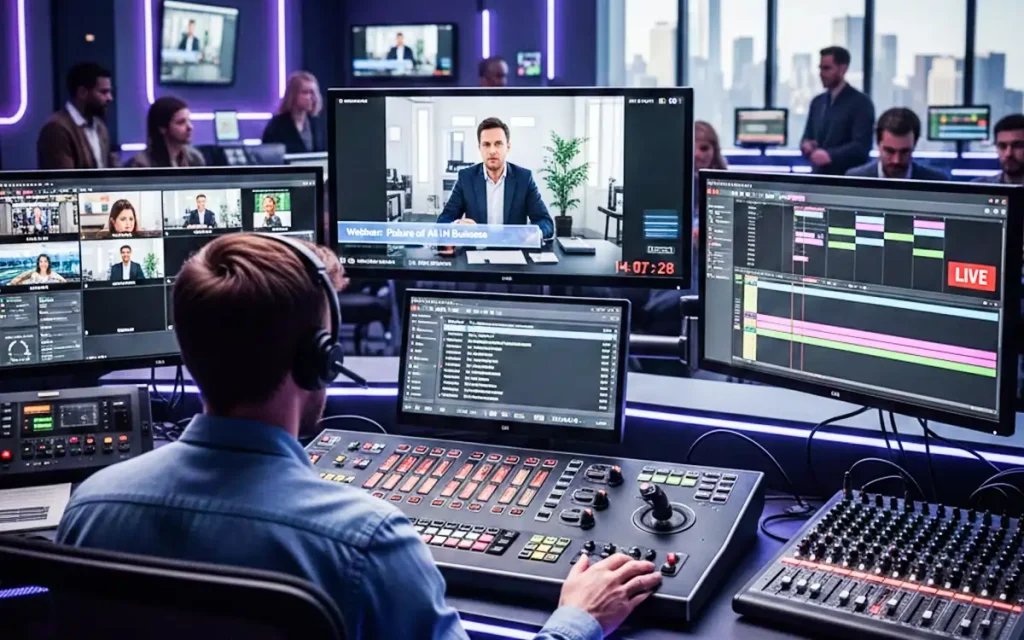
Live video editing refers to the process of editing videos in real-time, switching, overlays, captions, and cuts during broadcasts. It is used for ensuring polished live videos without post-production delays, such as webinars. gaming streams, live commerce, sports events, virtual events, etc.
4. Vertical Video Editing
Vertical videos are edited for portrait viewing on mobile devices to ensure a natural screen and increase watch time and engagement. This trend focuses on mobile-first platforms such as TikTok, Snapchat, Instagram Reels, YouTube Shorts, etc.
5. Interactive Videos
Interactive video trends influence the audience to engage, such as polls, quizzes, hotspots, or branching paths. This video editing trend turns viewers into active participants. Such videos are commonly used in e-learning, product demos, marketing funnels, and onboarding videos, etc.
6. Cinematic Color Grading Techniques
Cinematic color grading trends include film-inspired tones, contrast, and mood styling. It is used for creating emotionally driven, visually consistent footage such as brand films, documentaries, commercials, short films, brand promo videos, etc.
7. Kinetic Typography and Motion Graphics
Kinetic typography trend refers to animated text that moves with rhythm and meaning. This technique creates clarity, emotion, and viewers’ retention along with visuals. These techniques are used in explainer videos, lyric videos, ads, social clips, and educational content.
8. VR (Virtual Reality) and 360° Video Editing
VR and 360° video editing trends have gained popularity due to their ability to offer an immersive and navigable experience. Viewers can control the perspective and get a real-time visiting environment through this video. 360-degree video and VR video editing are utilized in real estate property tours, virtual location tours, training simulations, gaming, and more.
9. Avoiding Standard Aspect Ratios
The trends of using square, ultra-wide, and custom ratios have replaced the traditional 16:9 formats. The outputs are more aligned with the platform and feel custom and convenient rather than fixed ratios. These techniques are used in social-first campaigns, creative ads, installations, etc.
10. Adoption of 8K Video Editing
8K video editing trends maximize details, flexibility, and viewers’ experience. It works with ultra high-resolution footage and complies well with heavy cropping, and future-proofing. 8k video editing is mostly used in film production, luxury and premium product advertising, documentaries, etc.
11. Storytelling Marketing and Serialized Video Editing
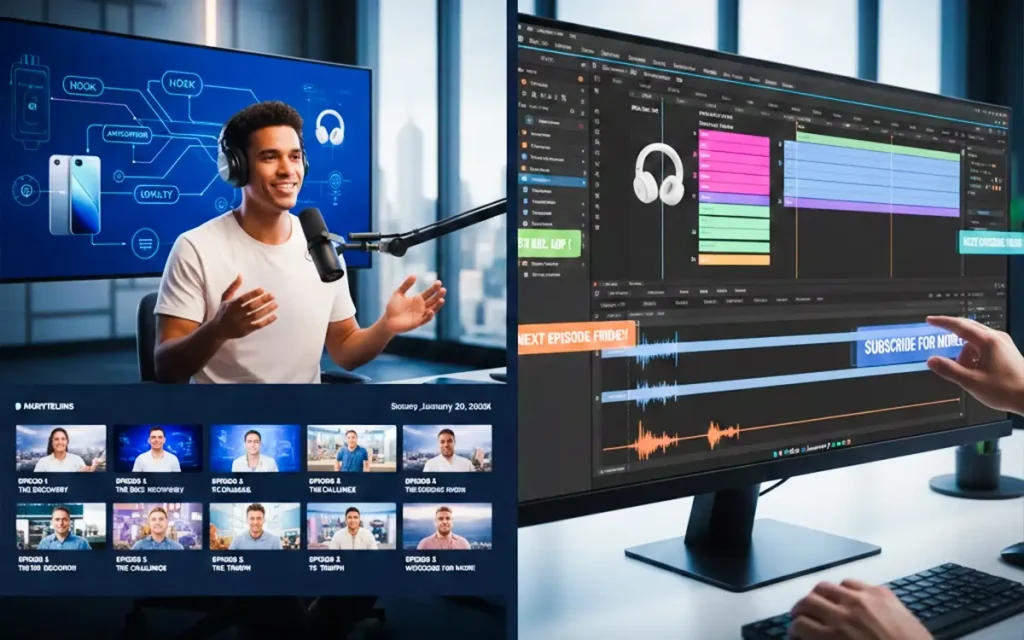
Storytelling and serialized editing shape videos’ narrative flow better. It hooks viewers, builds anticipation, connects viewers emotionally, and increases watchtime and loyalty. This trend is mostly applied to social campaigns, product launches, brand story development, content-creator marketing, etc.
12. Cloud-Based Collaboration and Editing
Cloud-based collaboration and editing trends create spontaneous and real-time participation among the video editors. Team members can analyze, edit, review, and approve content from anywhere, anytime. These techniques have become an integral part of video editing service agencies, distributed teams, global video production workflows, etc.
13. Educational Video Editing
Educational video editing has gained traction since Corona Pandemic. Since then, video editors ensure clarity, pacing, visuals, and retention professionally, assisting remote students learn effectively. Editing educational videos includes simplifying complex topics into engaging lessons and better flow with synchronization. It’s used in online courses, YouTube education channels, SaaS onboarding, corporate training, and academic content platforms.
How Does AI Video Editing Software Impact Video Editing Trends?
AI video editing software impacts video editing trends by adopting speed and retention. Each software update brings smart solutions such as auto-cutting, format repurposing, caption accuracy, content-aware editing, etc., to support short-content demand, vertical output, and multi-platform usability.
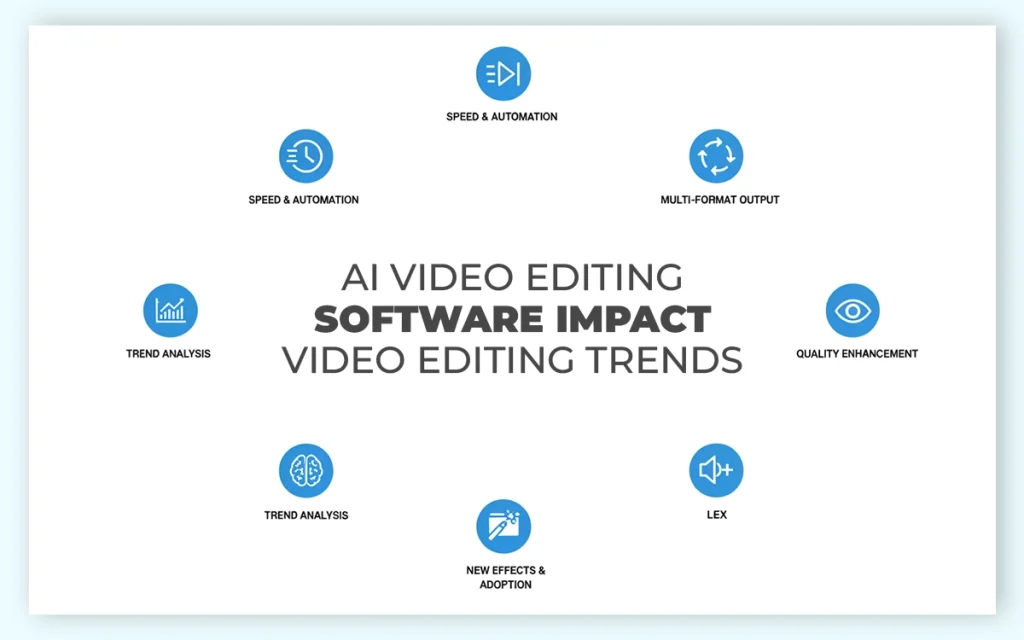
5 Ways in Which an AI Video Editing Software Impacts Video Editing Trends Are as Follows.
- It speeds up video editing workflow by automating repetitive tasks such as auto-cutting, captioning, focusing on storytelling, and trend analysis.
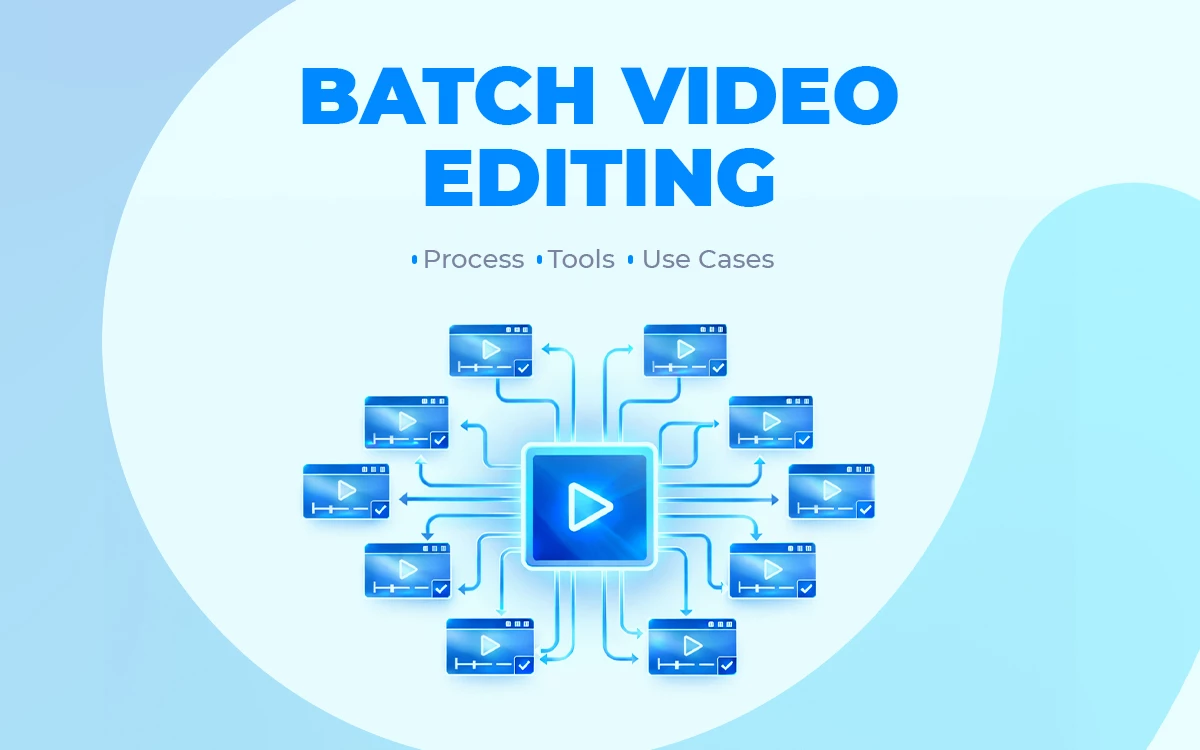
- It allows multi-format and modular output by automatically generating vertical, horizontal, and square versions of one video, supporting batch editing workflows.
- AI software analyzes engagement data and suggests the best methods, such as faster pacing, hook placement, cut points, etc., to create content as per trends and audience preference.
- AI tools enhance visual and auditory quality and make them consumer-ready.
- It helps editors test and adopt new effects, motion graphics, and formats as the trend follows.
5 Popular AI Video Editing Software and Their Latest Trends Are Listed as Follows.
| Video Editing Software | Trends | Output |
|---|---|---|
| 1. Adobe Premiere Pro | AI-powered scene edit detection, auto captions, and smart reframing | Assist in vertical, short-form, and social-first edits |
| 2. DaVinci Resolve | Neural Engine cuts, smart color matching, and face refinement | Produce cinematic color grading and multi-format edits |
| 3. CapCut | Auto captions, AI beat sync, and trend templates | Make social-first, viral-ready short videos |
| 4. Wondershare Filmora | Smart cut, motion presets, and auto beat detection | Create consistent, platform-optimized content quickly |
| 5. Adobe After Effects | AI Roto Brush, motion tracking, and generative fills | Enable kinetic typography, VFX, and interactive visuals |
How Do Video Editing Trends Impact Batch Video Editing Workflows?
Yes, video editing trends impact and shape batch video editing workflows through automation and modularity. Video editors now create one core video and use batch processes to produce multiple videos in various formats, aspect ratios, captions, etc. This process increases content production, content authenticity, and viewers’ engagement.
How Often Should Brands Update Their Video Style Based on Trends?
Brands should update and review their video style based on trends every 4 to 6 months. They can adopt the right pacing, formats without rebranding, and place right with the trends. It creates a refreshed and updated feeling about the brand among the viewers and increases visual consistency.
FAQ’s
Video editing trends that are dominating social media platforms in 2026 are the ones that feel native, fast, and human, such as retention-first editing, platform-native editing, storytelling, AI-based editing, etc. Video editors use front-loaded storytelling, vertical-first framing, subtitles, pacing, and modular cuts to create a scroll-stopping edit.
What motion graphics trends are popular in video editing?
Motion graphics trends that are popular in video editing in 2026 include kinetic typography, UI-style overlays, minimal animated icons, progress bars, and subtle motion accents. Video editors apply them to ads, social videos, or explainer videos to guide viewers’ focus on the key message and increase viewers’ retention.
What color grading trends are popular in video editing?
Color grading trends that are popular in video editing in 2026 include natural skin colors, muted cinematic tones, film-inspired LUTs, and contrast-rich but realistic grading, among others. Excess styling or editing is fading, and viewers watch videos that look consistent and authentic.
How are AI tools changing video editing trends?
AI tools are changing video editing trends by automating clip cutting, captioning, format resizing, etc. AI tools produce fast results and shift the trends to produce fast and scalable outputs. Professional video editors apply human rationality and judgement when applying advanced editing to ensure professional, non-generic, and on-brand content.