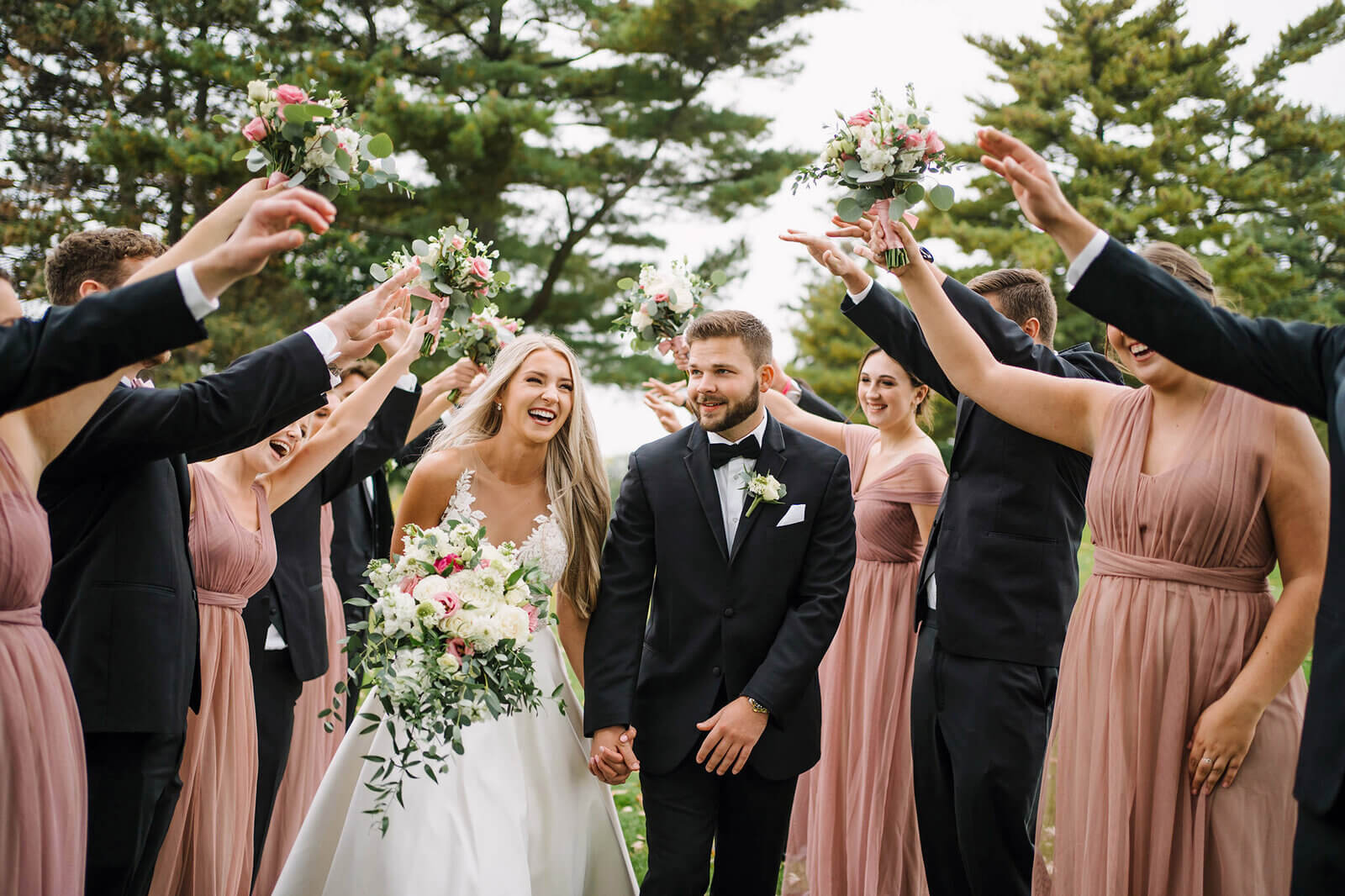
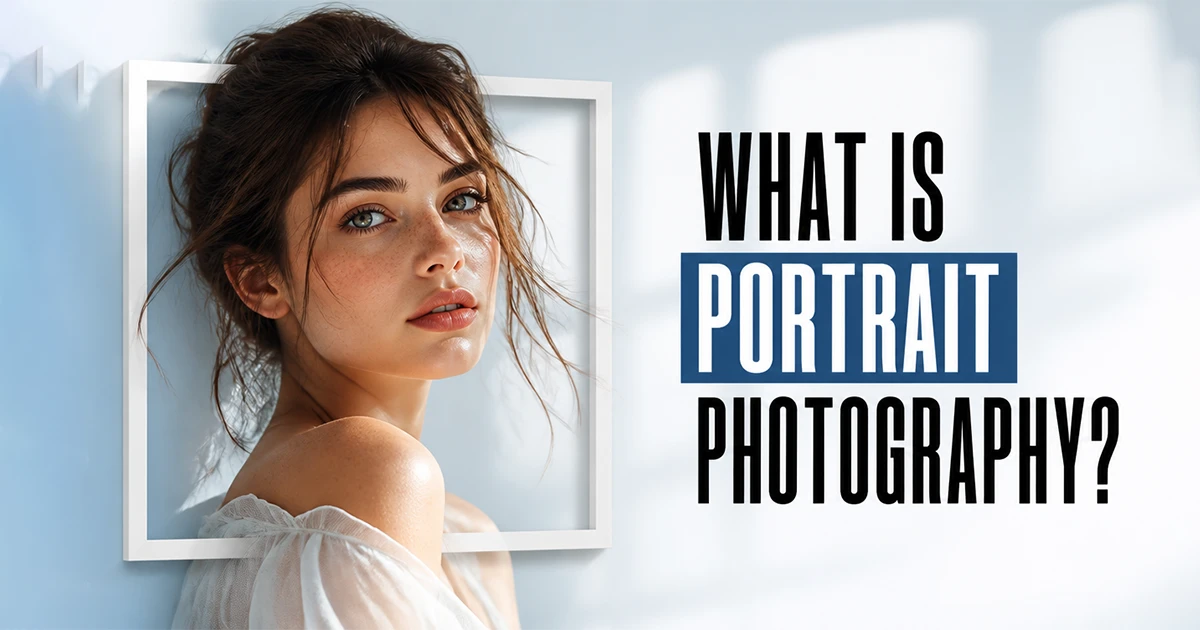
Portrait photography is a type of photography focused on capturing a person’s face, expression, personality, and emotions through carefully composed images. Its goal is to tell a story about the subject rather than document their appearance. Unlike casual snapshots, portrait photographs use lighting, composition, posing, and connection to reveal something meaningful about the person in front of the camera.
Think about the last photograph that made you stop scrolling. Chances are, it wasn’t a landscape or a product shot—it was a person. A face, an expression, or a glance that instantly sparked curiosity or emotion. That’s the power of portrait photography. A great portrait does more than show what someone looks like; it helps viewers understand who they are.
From family portraits and professional headshots to fashion campaigns and personal branding, portrait photography plays a major role in both personal and commercial storytelling. It remains one of the most popular photography genres because people naturally connect with people.
In this guide, you’ll learn what portrait photography is, its purpose, common types, career opportunities, and how the field is evolving in the age of artificial intelligence (AI).
The Definition of Portrait Photography
Portrait Photography in Simple Terms
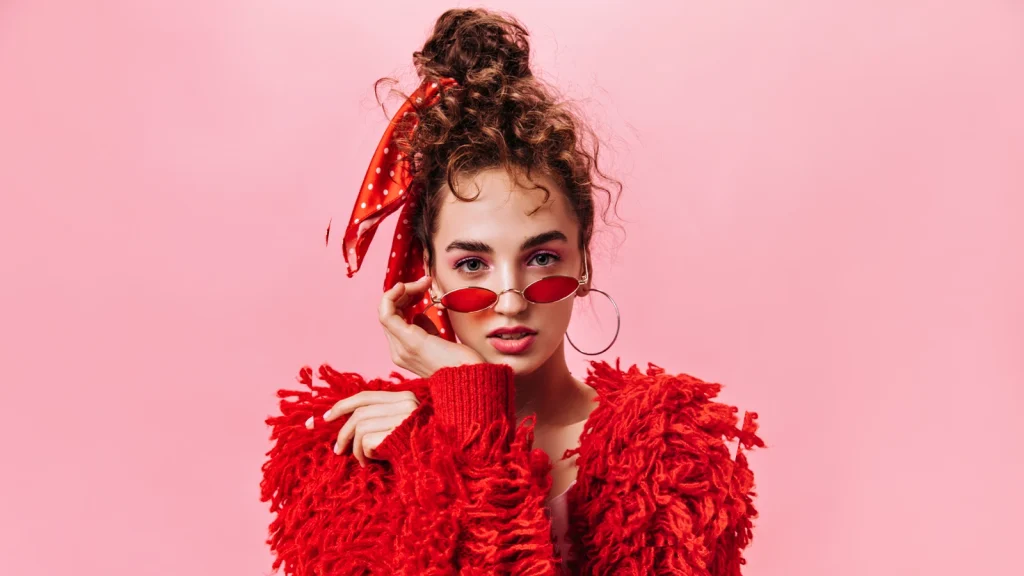
Portrait photography is the art of photographing a person — or a group of people — with the primary focus on their face, expression, and personality. The goal isn’t just to document what someone looks like. It’s to reveal who they are.
A strong portrait makes the viewer feel something. It draws attention to the subject’s eyes, captures a genuine emotion, and tells a story without using a single word. That’s what separates portrait photography from just taking a picture of someone.
Portrait Photography vs. Portraiture — Is There a Difference?
You’ll often hear both terms used in photography. Portraiture is the broader artistic discipline — it includes painted portraits, drawn illustrations, and sculpted likenesses in addition to photographs. Portrait photography, on the other hand, refers specifically to using a camera to capture that likeness.
So all portrait photography falls under portraiture, but not all portraiture is photography. When someone says “portrait photography,” they mean the photographic practice specifically.
What Portrait Photography Is NOT
It’s easy to confuse portrait photography with other types of people-focused photography. Here’s what portrait photography is generally not:
- Street photography: It focuses on candid scenes and everyday life, not the individual subject’s personality.
- Documentary or photojournalism: These capture events; portraits focus on the person themselves.
- Snapshots: A quick photo at a birthday party doesn’t qualify as portrait photography unless there’s intentional framing, lighting, and focus on the subject’s character.
- Group event photography: Photographing a large crowd at a wedding reception is event photography, not portraiture.
The key difference always comes back to intent. Portrait photography is intentional. You plan the shot with the subject’s identity at the center.
The Core Purpose of Portrait Photography
Telling a Story Through a Single Frame
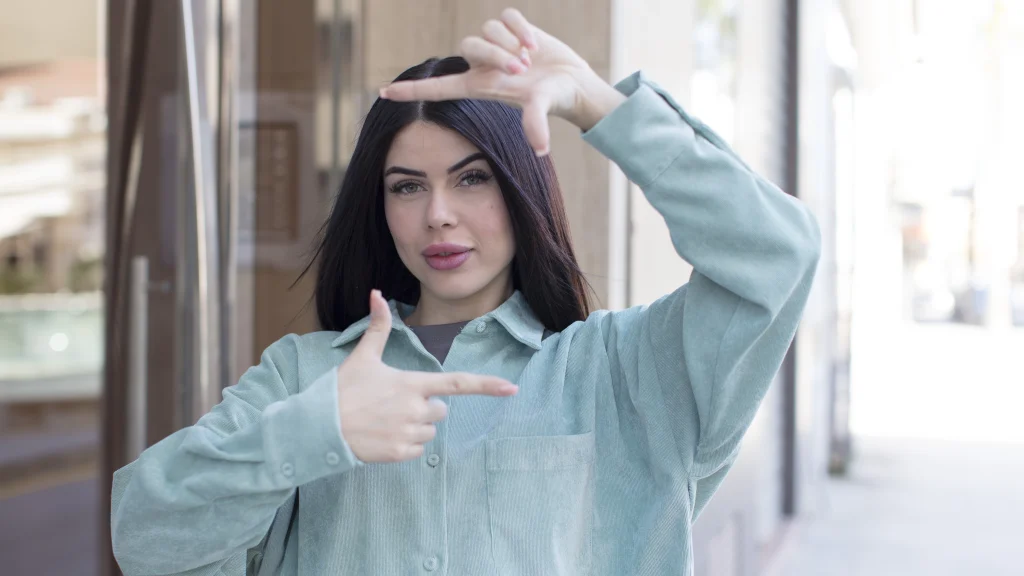
The most powerful portraits communicate something about the subject without any caption or context. A wrinkled face tells a story of decades lived. A child’s bright eyes radiate innocence. A professional headshot projects confidence and competence.
Every portrait you create should answer one question: What do I want the viewer to understand about this person? When you approach every shot with that question in mind, your portraits become storytelling tools — not just photographs.
Portrait Photography Use Cases
Portrait photography shows up in more places than most people realize. Here are the most common use cases:
- Personal branding and headshots: Professionals use portraits to represent themselves on LinkedIn, websites, and press materials.
- Family and milestone photos: Birthdays, graduations, and anniversaries are captured through portrait sessions.
- Editorial and magazine features: Journalists pair portraits with interviews to put a face to a name.
- Commercial advertising: Brands use portraits to humanize their products and connect emotionally with customers.
- Fine art and exhibitions: Portrait photographers create personal projects and exhibit work in galleries.
- Social media content: Influencers, coaches, and creators use professional portraits to build a visual identity online.
Why Portrait Photography Matters More in 2026
In an era of AI-generated images and endless digital noise, authentic human portraits carry more weight than ever. Audiences today crave real connection. A genuine, well-crafted portrait of a real person cuts through the clutter in a way that no AI image can replicate.
Brands, coaches, educators, and creators who invest in portrait photography build stronger trust with their audiences. People connect with people — and a strong portrait puts a human face on your brand.
The Three Core Elements of Portrait Photography
1. Lighting in Portrait Photography
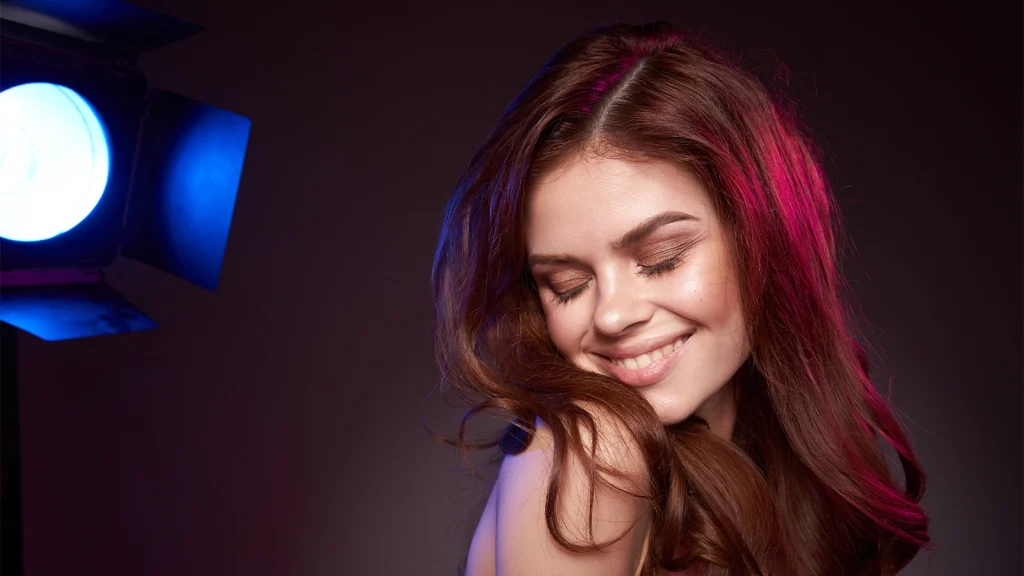
Lighting is the single most important technical element in portrait photography. It shapes the subject’s face, sets the mood, and determines whether the final image feels flat or dimensional.
There are two primary light sources in portraiture:
- Natural light: Soft, flattering, and free. Window light and outdoor shade are popular choices for beginners. Learn more in our guide to Natural Light Portrait Photography.
- Artificial light: Studio strobes, continuous LED panels, and speed lights give the photographer full control over intensity, direction, and color.
Classic lighting patterns include Rembrandt, butterfly, loop, and split lighting. Each creates a different mood and dimension on the subject’s face.
Composition in Portrait Photography
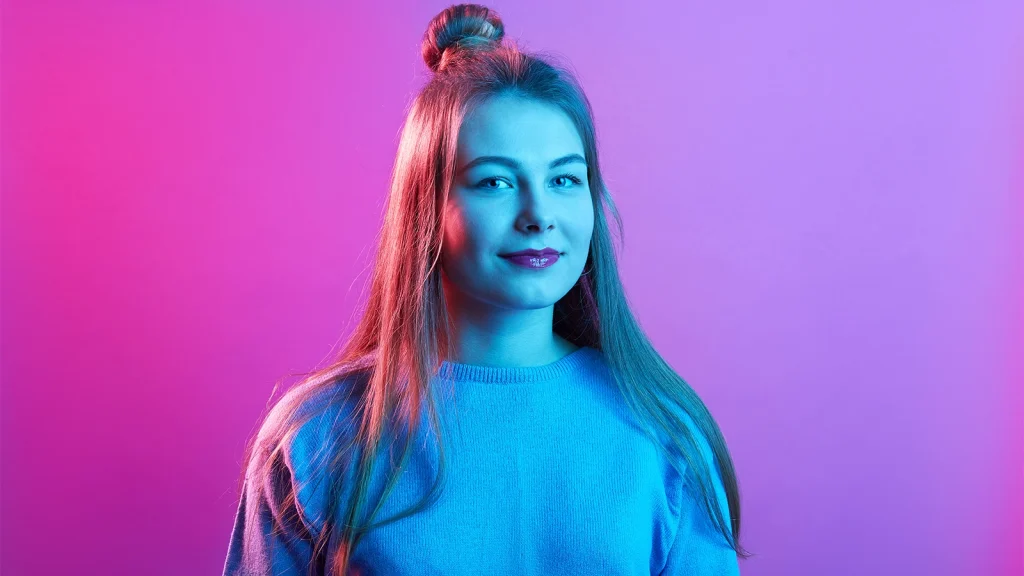
Composition refers to how you arrange the subject within the frame. Strong portrait composition draws the viewer’s eye directly to the subject and keeps it there.
Key composition techniques include the following:
- Rule of thirds: Place the subject’s eyes along the upper third of the frame rather than dead center.
- Headroom and lead room: Leave appropriate space above the head and in the direction the subject faces.
- Negative space: Space around the subject can add emphasis and emotional weight.
- Framing within the frame: Use doorways, windows, or natural elements to frame the subject organically.
Posing in Portrait Photography
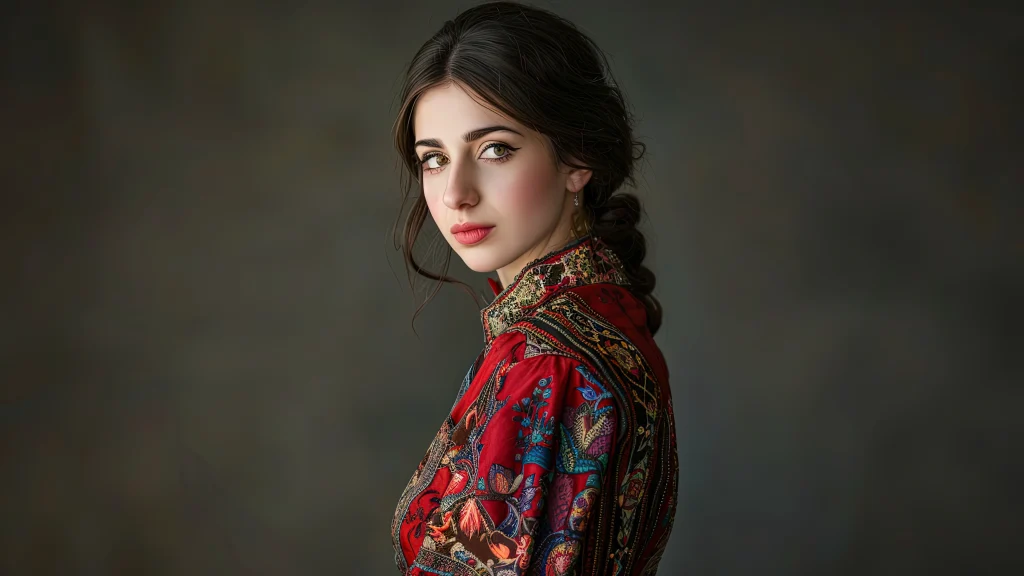
Posing shapes how confident, relaxed, or expressive a subject appears in the final image. Most people feel awkward in front of a camera — guiding them into natural, flattering positions is one of the photographer’s most important skills.
Good posing involves subtle adjustments: the angle of the chin, the placement of the hands, the position of the shoulders. For a full breakdown of effective approaches, explore our Portrait Photography Poses guide.
Portrait Photography as a Career
How to Get Started as a Portrait Photographer
Starting a portrait photography career doesn’t require a professional studio on day one. Follow these steps:
- Learn your gear: Understand your camera’s settings before your first paid session.
- Build a portfolio: Photograph friends, family, and volunteers at no charge to build a body of work.
- Study the work of portrait masters: Annie Leibovitz, Yousuf Karsh, and Steve McCurry are excellent starting points.
- Share your work consistently: Build a presence on Instagram, Behance, or your own website.
- Seek feedback: Join local photography groups or online communities to improve quickly.
What Do Portrait Photographers Earn?
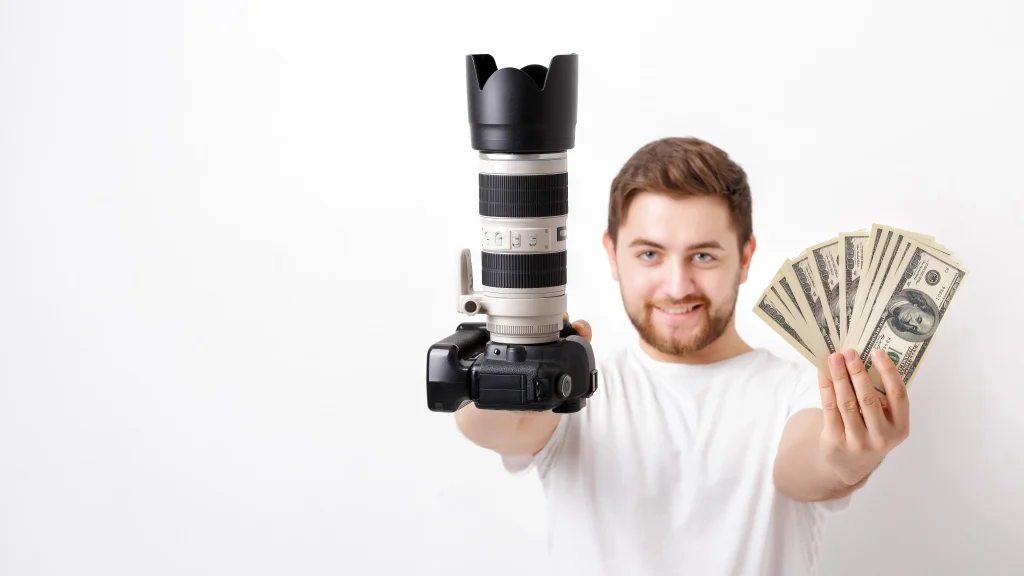
Photographer income varies widely based on experience, location, employment type, and niche. Here’s what the 2026 published data actually shows:
“The median hourly wage for photographers was $20.44 in May 2024. The lowest 10% earned less than $14.23, and the highest 10% earned more than $45.56 per hour.”
– According to the U.S. Bureau of Labor Statistics
“Glassdoor puts the average portrait photographer salary at $63,124 per year. The typical range sits between $47,343 (25th percentile) and $88,373 (75th percentile), with top earners reaching up to $115,516 annually.”
– According to Glassdoor
“ZipRecruiter reports an average of $42,345 per year for portrait photographers, with most salaries ranging between $32,000 and $45,000. Top earners (90th percentile) reach $58,000 annually.”
– According to ZipRecruiter
“The BLS also reports photographers averaged $26.76 per hour in 2024 across all photography roles, with a typical salary range of $16.73–$29.99 per hour.”
– According to Side Hustles
Employment of photographers is projected to grow 2% from 2024 to 2034. The demand for portrait photographers remains steady as people continue seeking portraits and corporations require commercial photography for advertising campaigns.
Building a Portrait Photography Business
Beyond great photography, a successful portrait business requires:
- A clear, professional online presence
- A reliable booking and payment system
- Strong client communication before, during, and after sessions
- A defined niche (family portraits, executive headshots, personal branding, etc.)
- A consistent referral and review strategy
Need a strong headshot photographer as a reference point for client expectations? Explore our guide on How to Choose a Headshot Photographer.
Portrait Photography in the Age of AI (2026 Update)
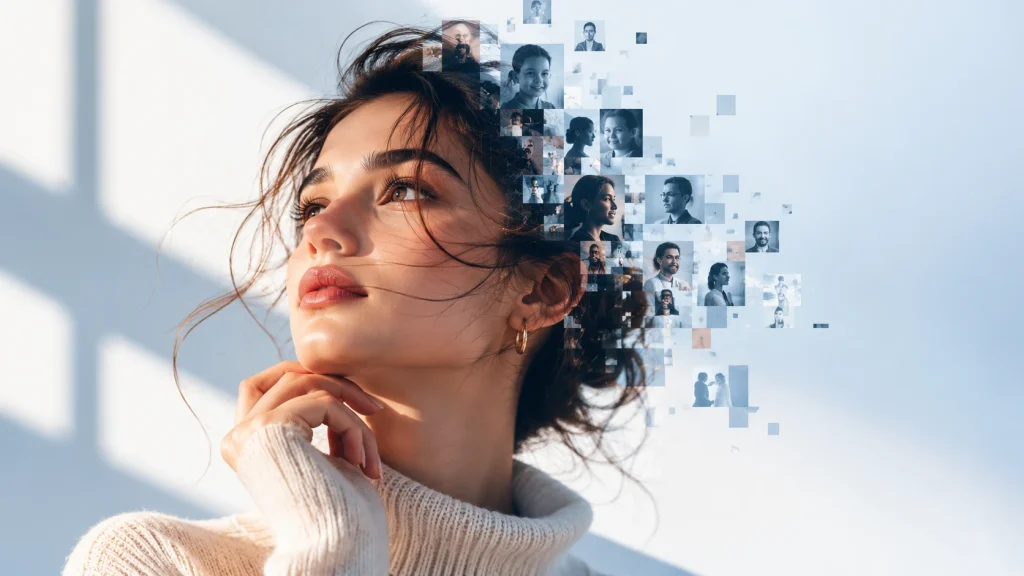
AI Portrait Tools: Enhancement vs. Replacement
AI-powered tools like Adobe Firefly, Luminar Neo, and various mobile apps now automate many portrait retouching tasks. These include sky replacement, blemish removal, background swaps, and even AI-generated lighting adjustments. These tools save time and help beginners achieve polished results faster.
However, AI cannot replace the human judgment, emotional intelligence, and relational skills that make portrait photography powerful. The technology enhances the photographer’s workflow — it doesn’t replace the photographer.
Smartphone Portrait Photography in 2026
Modern flagship smartphones produce genuinely impressive portrait results. The iPhone 16 Pro and Google Pixel 9 Pro both offer advanced computational photography that creates realistic background blur, intelligent exposure, and skin tone accuracy.
For social media content and everyday portraits, smartphones are more than capable. For commercial work, editorial shoots, and fine art portraiture, a dedicated camera still delivers superior image quality, control, and creative flexibility.
Ethical Considerations in Modern Portraiture
As AI image editing becomes increasingly accessible, portrait photographers face important ethical questions:
- How much retouching is too much? Removing a temporary blemish is different from changing a subject’s body shape or skin tone.
- Consent and image rights: Always get clear, documented consent before publishing portraits commercially.
- Transparency with clients: Be honest about your editing style and set expectations before the session.
Great portrait photographers respect their subjects’ dignity and authenticity in every image they deliver.
Frequently Asked Questions
What is portraiture in photography?
Portraiture in photography is the practice of capturing a person’s likeness, personality, and emotion through intentional, subject-focused images. It goes beyond simply photographing someone.
What is the difference between portrait photography and headshot photography?
A portrait is broader in scope. It can include the full body, environmental context, and creative expression. A headshot is a tightly cropped, professional image focused on the face and shoulders.
Can I do portrait photography with a smartphone?
Yes, especially for personal projects and social media content. Modern smartphones produce impressive portrait results.
Is portrait photography a good career?
Yes, portrait photography is one of the most consistently in-demand niches in photography. Headshots, personal branding portraits, family sessions, and commercial portraits generate regular work.
What makes a portrait “great” vs. just a photo?
A great portrait reveals something true about the subject. The eyes are sharp. The light is intentional. The expression is genuine. The background serves the subject without competing for attention.