
Industrial product photography is professional photography of factories, machinery, equipment, workers, and production processes, used on websites, in catalogs, at trade shows, and in investor and training materials. It differs from standard commercial industrial photography mainly in scale, access, and safety planning. The crew is shooting inside a working facility, often around moving equipment, tight schedules, and site-specific rules.
I will let you know what industrial photographers capture, the styles and techniques used across industries, how to plan a shoot without disrupting production, what it costs, and how it compares to AI-generated or stock imagery throughout this article.
What Is Industrial Product Photography?
Industrial product photography documents the physical reality of a business: the machines it runs, the materials it processes, and the people who operate it. It’s built to show scale, precision, and capability. The details that convince a buyer, investor, or regulator that operations are exactly as advertised.
Is Industrial Photography the Same as Commercial Photography?
Not quite. Commercial photography is a broad umbrella covering any photography made for business use, such as product shots, headshots, ad campaigns, etc. Industrial photography sits inside that umbrella but adds constraints unique to physical operations: safety gear, restricted access, and shooting around active production.
Industrial vs. Commercial vs. Product Photography (Comparison Table)
The three terms get used loosely, but they aren’t interchangeable. A neighboring genre worth knowing is product photography. This focuses narrowly on individual items in a controlled studio. This is useful context when deciding which service actually fits your project.
| Aspect | Industrial Photography | Commercial Photography | Product Photography |
|---|---|---|---|
| Setting | Working factories, plants, job sites | Studio, office, or outdoor locations | Studio or lightbox, mostly indoors |
| Primary subject | Machinery, facilities, workers, processes | Any business-related subject | Individual products or SKUs |
| Access & safety | PPE, permits, safety briefings required | Minimal site restrictions | Controlled studio environment |
| Typical use | Trade shows, reports, training, B2B sales | Ad campaigns, branding, websites | E-commerce listings, catalogs |
Why Industrial Photography Matters for Your Business
Good facility images do more than fill a webpage. They shape how procurement teams, investors, and job candidates judge whether a company is credible, safe, and worth trusting with a contract.
Key Benefits for Manufacturers & Brands
Professional imagery signals operational maturity before a single sales call happens.
- It shortens procurement cycles. Buyers can visually verify capacity and quality standards without an on-site visit.
- It also supports compliance documentation, gives marketing teams reusable assets across web, print, and social, and helps recruiting.
- For industrial product photography specifically, sharp, well-lit machine and process shots often build trust with technical buyers faster than copy ever can.
Which Companies Need Industrial Photography?
Any business built around physical production benefits: manufacturers, fabricators, energy and utility providers, logistics operators, and construction firms. So do B2B brands selling to industrial buyers. A marketing manager pitching a plant-tour deck or a procurement team building a supplier comparison both rely on accurate visuals. Smaller operators and job-site contractors use it too.
Common Applications (Website, Catalogs, Trade Shows, Reports, Training Materials)
The same shoot typically feeds several channels at once: hero images for the homepage, detail shots for a spec sheet, and behind-the-scenes frames for LinkedIn. Catalogs and supplier portals benefit from the same consistent, clean framing standards used in e-commerce image editing.
While training and recruiting content increasingly pairs stills with video, many teams end up comparing a few video editing companies once raw factory footage needs turning into a polished internal training piece.
- Website and landing pages
- Catalogs and spec sheets
- Trade show displays
- Annual reports and investor decks
- Training and safety materials
- Recruitment and careers pages
- Social media and LinkedIn content
- Case studies and client proposals
Cluttered Backgrounds Hurting Your Catalog Shots?A clean background removal pass turns busy facility shots into catalog- and website-ready images without a reshoot. Explore Background Removal
What Industrial Photographers Capture
A typical shoot moves between three subjects, each requiring a different approach and, often, different lighting.
The Machinery & Equipment
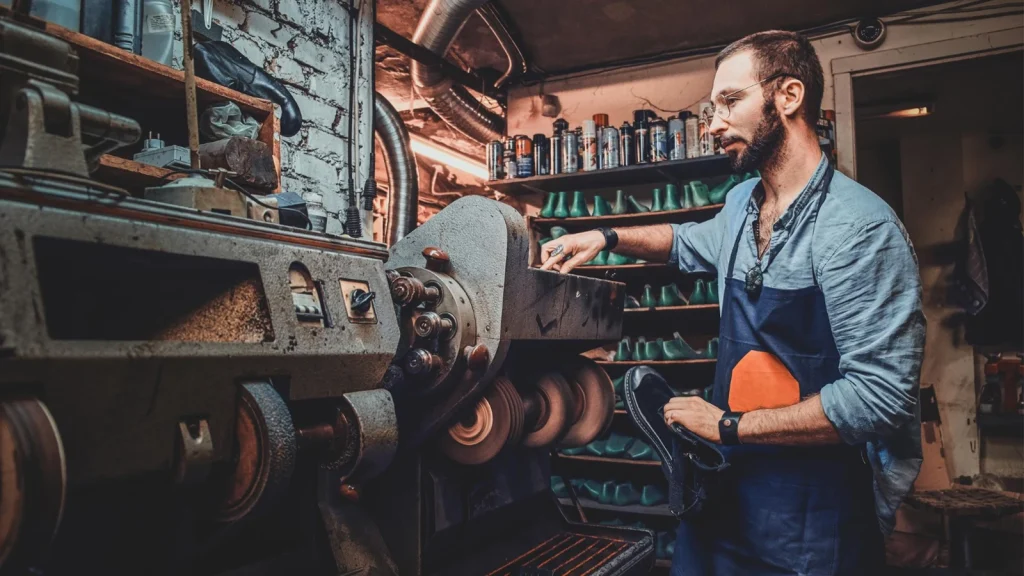
Machines are the visual core of most shoots: assembly lines, CNC equipment, turbines, tanks, and vehicles. The goal is to convey scale and precision: wide shots establish context, and tight detail shots highlight craftsmanship.
Busy backgrounds full of pipes, cables, and shelving can distract from the subject. This is why some teams clean these up afterward by removing the background in Photoshop rather than reshooting.
The People (Portraits & Headshots)
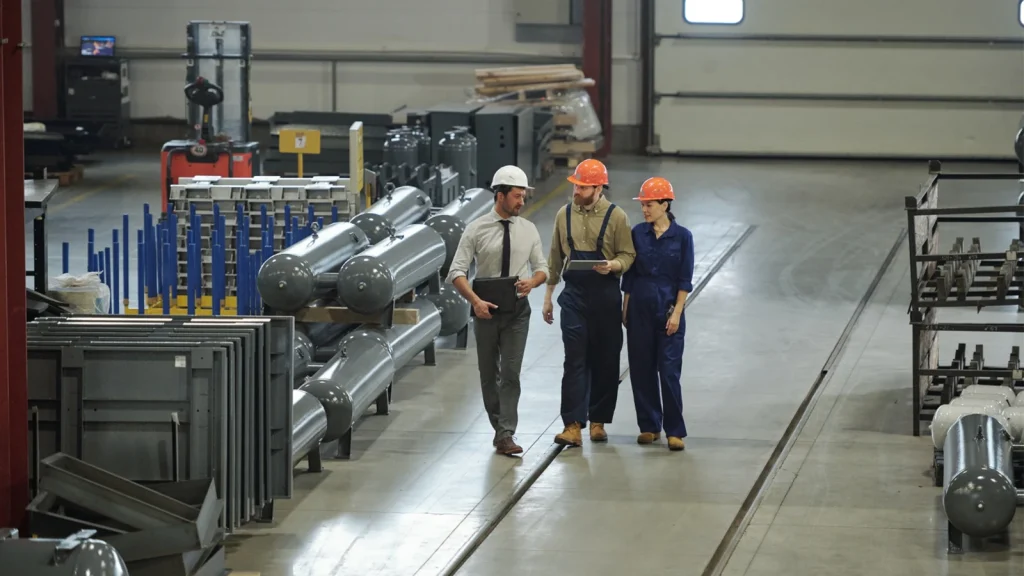
Workers and technicians humanize a facility. Environmental portraits, such as operators at their stations, engineers reviewing plans, build trust faster than machinery alone. Clean corporate headshots round out leadership pages and press kits.
The Process (Production & Assembly Lines)
Process shots tell the story between raw material and finished product. Sequential images of an assembly line, welding station, or packaging run show capability in motion. This is often more persuasive to procurement teams than static hero shots alone.
Portraits and Headshots Need Polish TooLeadership pages and press kits deserve the same retouching quality as any corporate portrait shoot.Retouch My Photos
Types of Industrial Photography by Industry
Industrial photography shifts by sector. A food plant, a mining site, and a data center each demand different lighting, safety protocols, and framing.
1. Manufacturing Photography
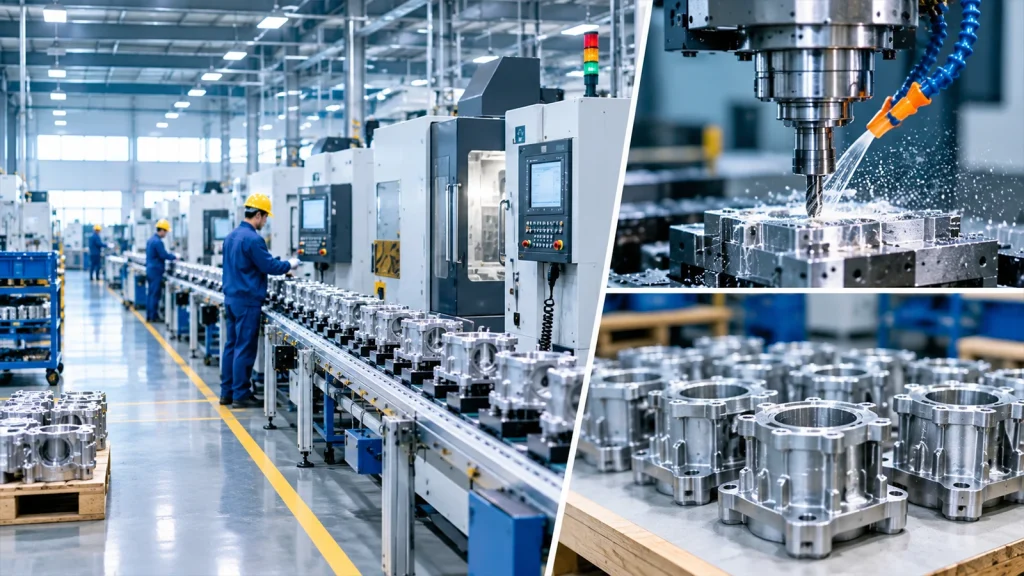
Manufacturing photography covers factory floors, production lines, and finished-goods staging areas. It’s the most requested category within industrial product photography. Shots typically balance wide establishing frames of the plant with tight detail shots of machinery and finished parts. It gives marketing teams flexible assets across multiple channels.
2. Food & Beverage Processing Photography
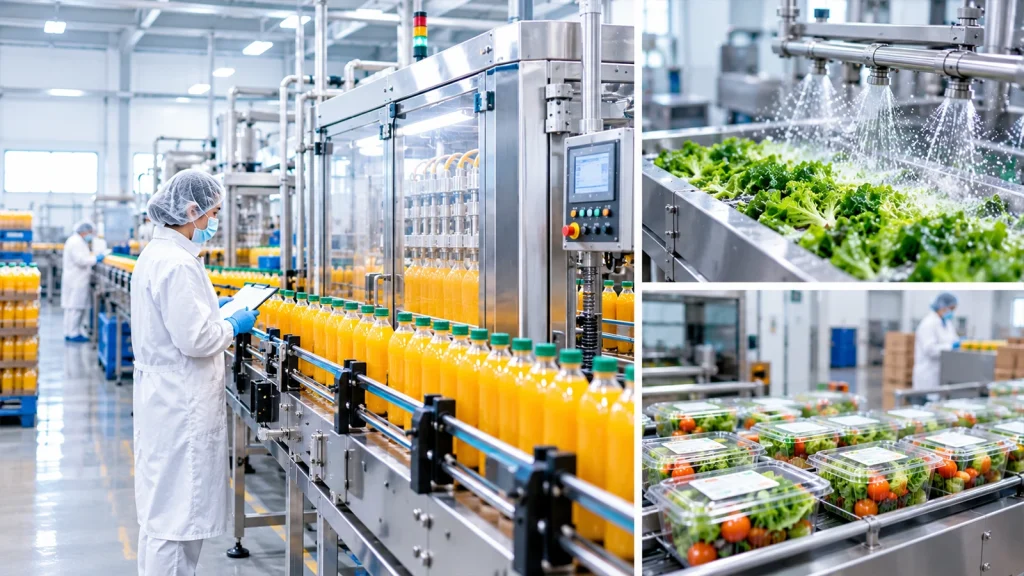
Food and beverage photography documents processing lines, packaging equipment, and hygiene protocols. Often shot through viewing windows or from approved vantage points due to sanitation rules. Photographers need to work quickly around wash-down schedules and food-safe PPE requirements.
3. Aerospace Photography
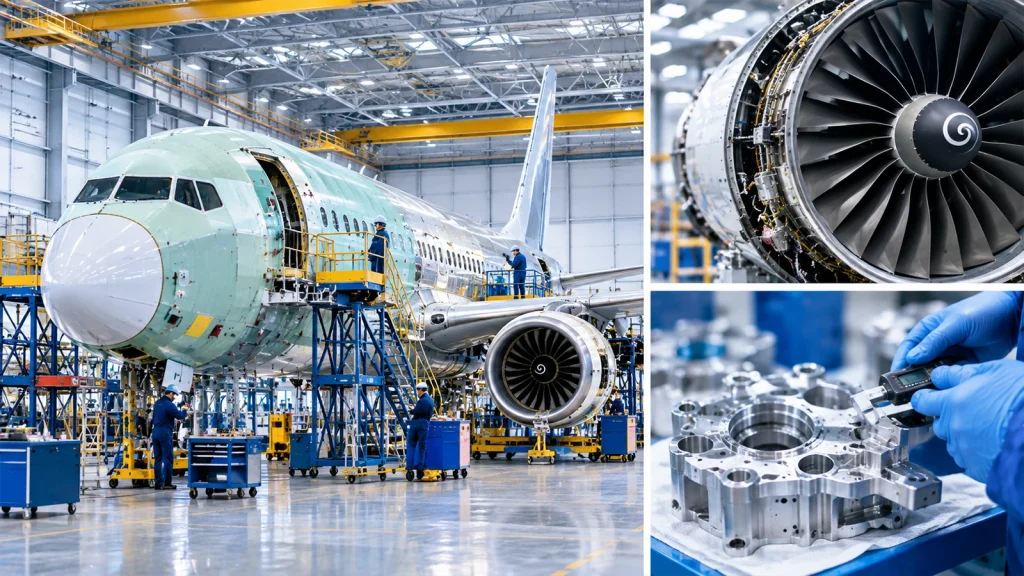
Aerospace photography spans precision component manufacturing to full aircraft assembly, often inside secure, access-controlled facilities. Security clearance and signed NDAs are common before a shoot is even scheduled. Because tolerances are measured in microns.
4. Automotive Photography
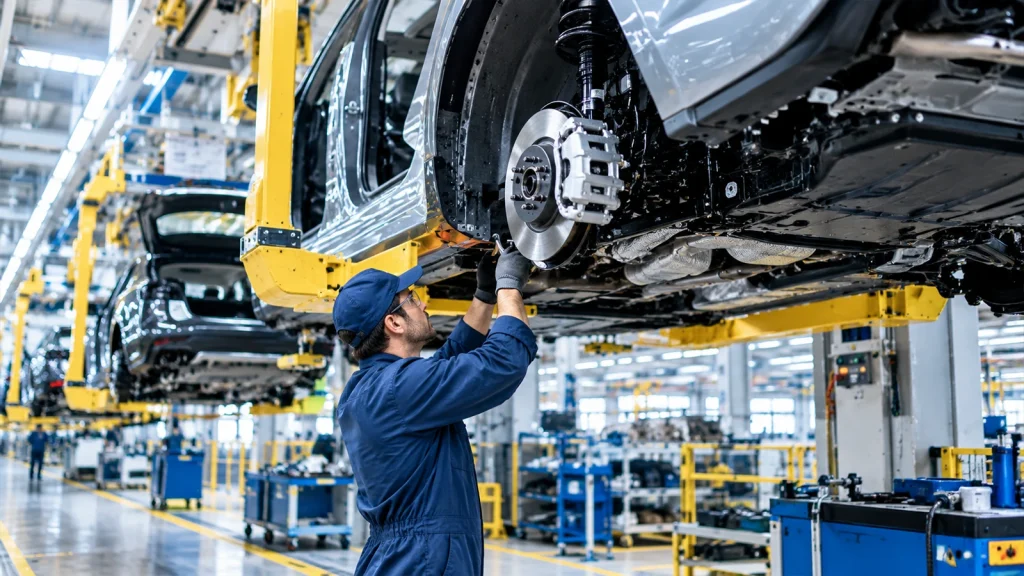
Automotive industrial photography covers assembly plants, parts manufacturing, and robotics-heavy production lines. Moving robotic arms and conveyor systems make safety zones non-negotiable. So, photographers usually shoot from designated walkways rather than the floor itself.
5. Construction Photography
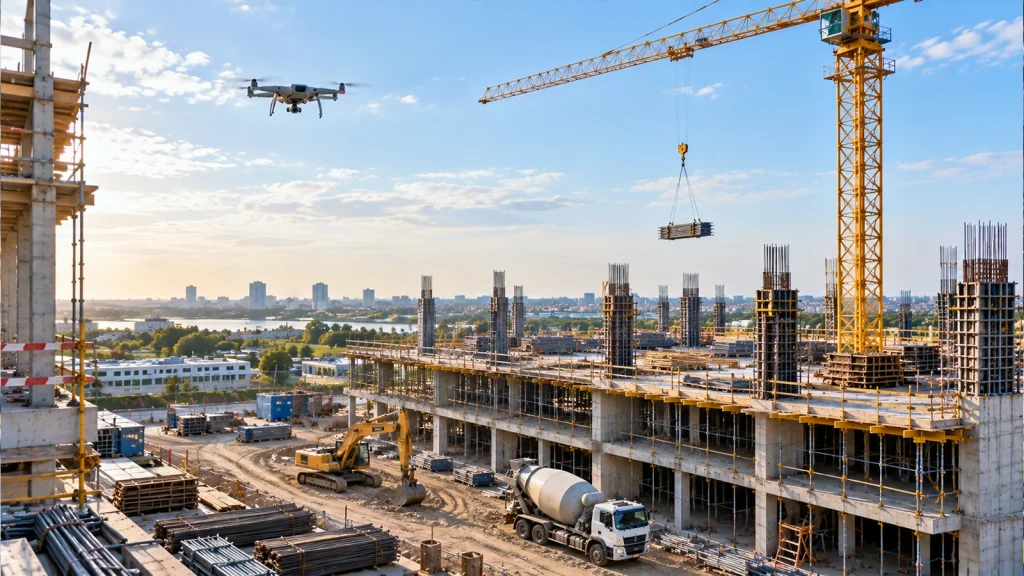
Construction photography documents active job sites, such as foundations, structural steel, or finished builds, often across months of progress. Site access requires hard hats, vests, and a fresh safety briefing every visit. Drone photography has become standard here. It gives stakeholders an aerial view of the layout and progress.
6. Agricultural Photography
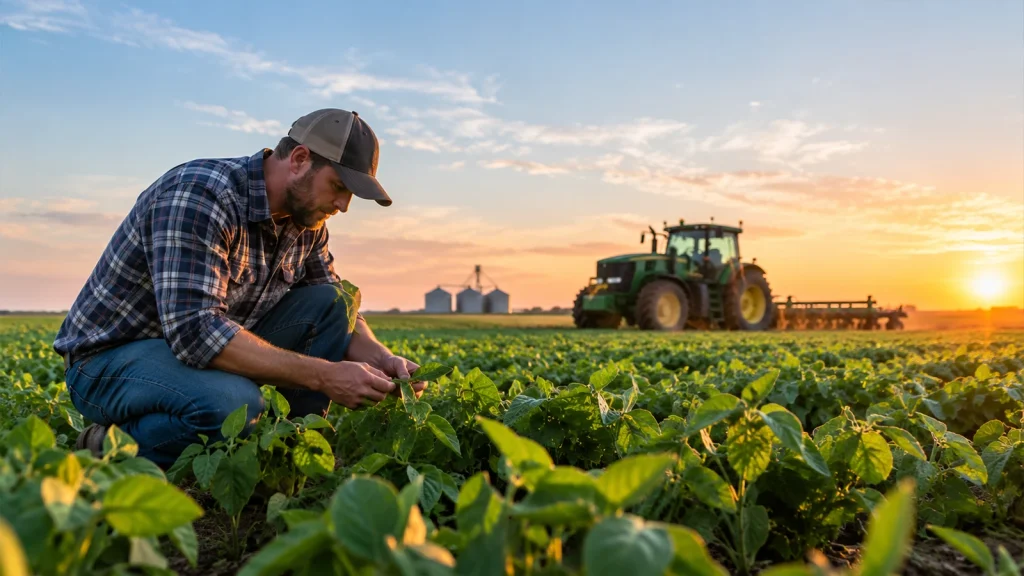
Agricultural photography ranges from crop fields and livestock operations to grain elevators and processing facilities. Shoots are heavily weather- and season-dependent, and outdoor lighting can’t be controlled the way a studio can. Photographers often plan around harvest windows or specific growth stages to capture the most relevant imagery for the operation.
7. Mining Photography
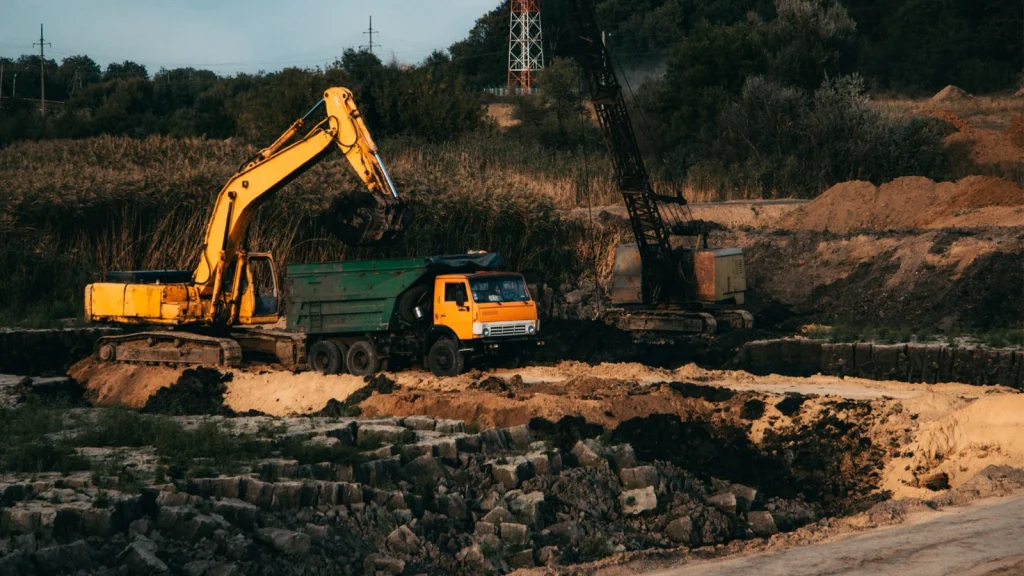
Mining photography covers open-pit and underground operations, heavy equipment, and processing plants. It’s among the more demanding niches within industrial product photography. It requires specialized safety training and sometimes explosion-proof camera housings for underground work.
8. Oil & Gas / Energy Photography
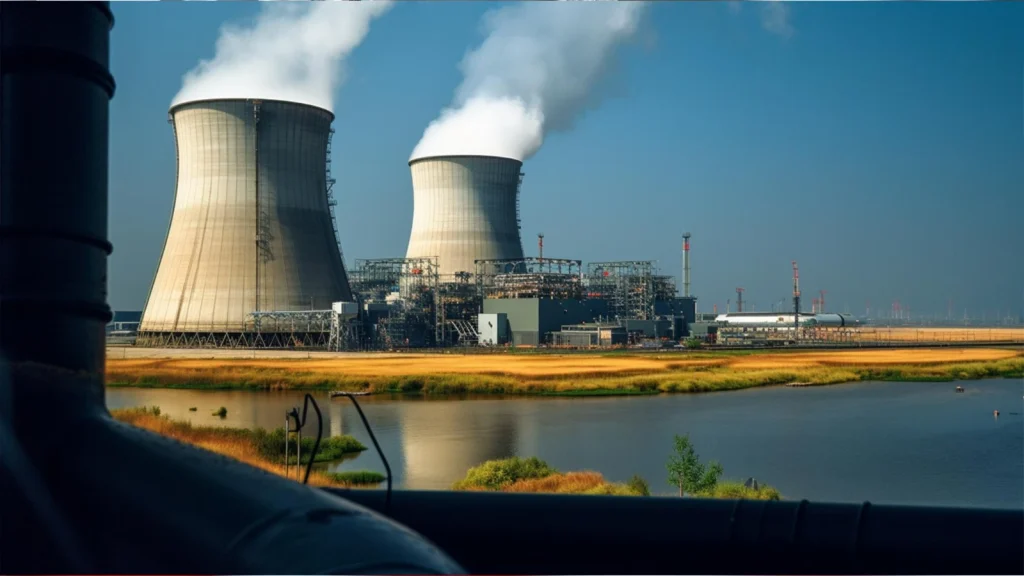
Oil and gas photography documents drilling sites, refineries, and pipeline infrastructure, frequently in hazardous or restricted-access environments. Photographers often need intrinsically safe equipment for explosive-atmosphere zones. Plus, site-specific safety certification is required before approaching active operations.
9. Power Generation Photography
Power generation photography covers plants running on coal, natural gas, nuclear, solar, or wind. Each energy type carries different access rules; a solar farm shoot looks nothing like photographing inside a nuclear facility’s controlled areas.
10. Utilities Services Photography
Utilities photography documents water treatment plants, electrical substations, and distribution infrastructure, unglamorous work that’s essential for public reporting, grant applications, and infrastructure documentation. These shoots often serve municipal or government clients.
11. Chemical & Petrochemical Photography
Chemical and petrochemical photography covers processing plants, storage facilities, and lab environments, most of it under strict safety and security protocols. Confined spaces, hazardous materials, and restricted zones mean photographers often need specific certifications and full PPE.
12. Pharmaceutical Photography
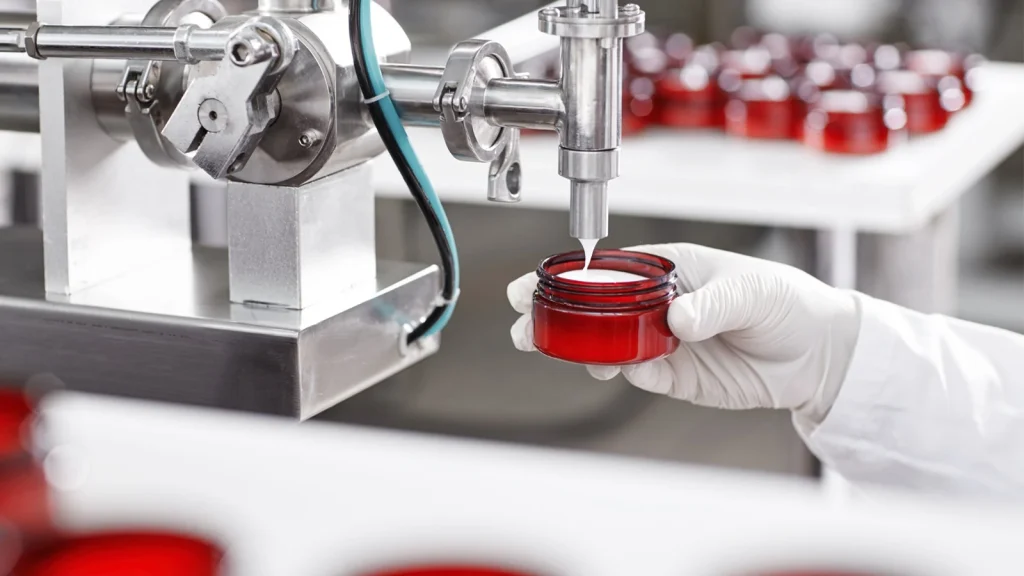
Pharmaceutical photography documents cleanrooms, lab research, and packaging lines, typically requiring sterile gowning and strict contamination protocols. Because cleanroom rules limit standard camera gear, photographers often need pre-cleaned or dedicated equipment.
13. Metal Fabrication & Steel Photography
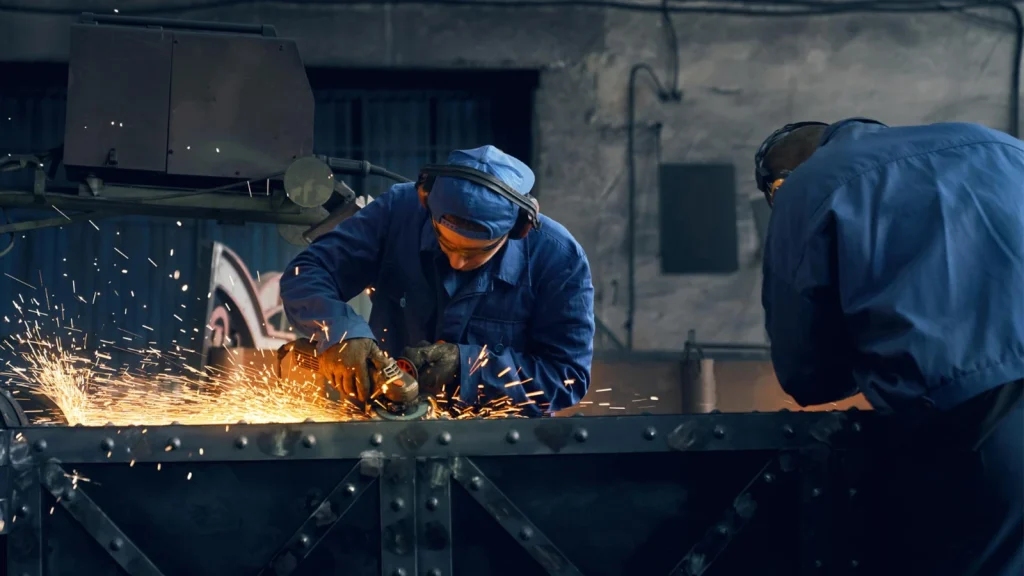
Metal fabrication photography captures the welding, cutting, and forming processes, as well as finished structural steel products. Sparks, bright arc-welding light, and reflective metal surfaces all demand careful exposure control to avoid blown-out highlights. Action shots of welding or CNC cutting tend to perform especially well in marketing.
14. Logistics & Transportation Photography
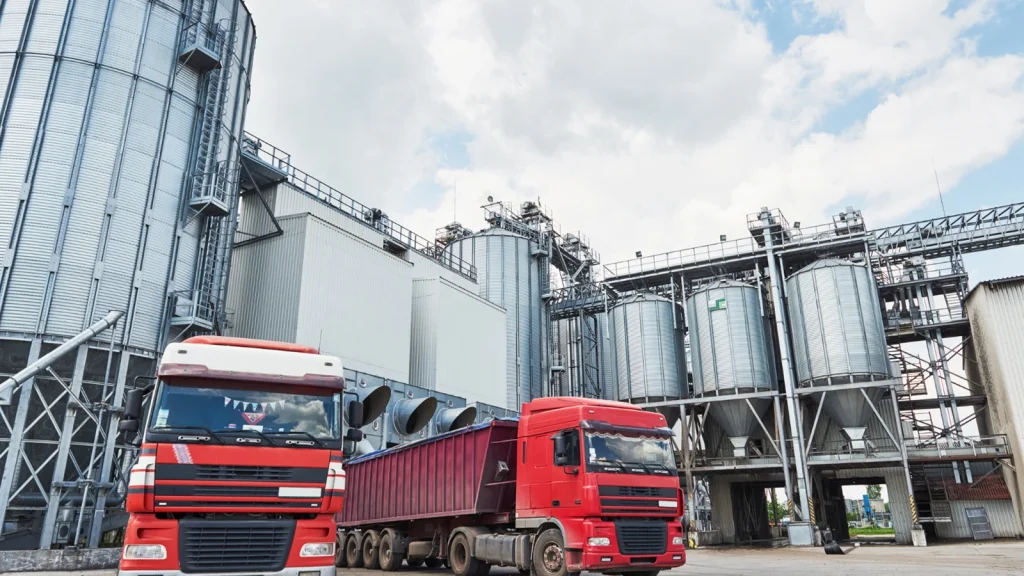
Logistics photography documents freight operations, fleet vehicles, and distribution networks in motion. Shoots often happen at odd hours to align with loading schedules or capture golden-hour light on trucks and terminals. The goal is usually to show scale and reliability.
15. Warehouse & Distribution Center Photography
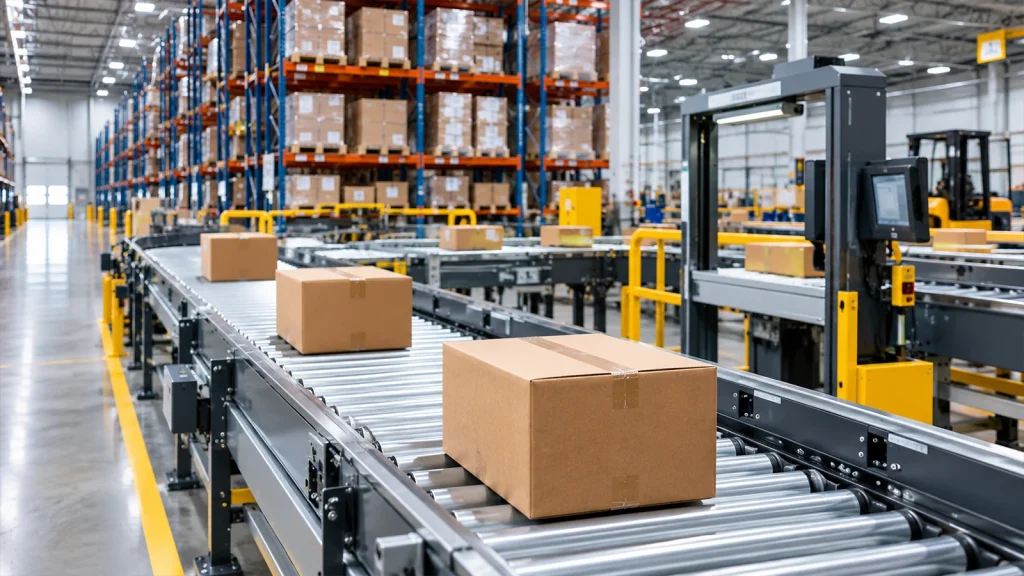
Warehouse photography covers racking systems, automated sorting, and fulfillment operations. Wide interior shots need careful lighting to manage the high ceilings and long sightlines typical of distribution centers. Natural light rarely reaches the center of the floor.
16. Technology Photography
Technology photography documents server rooms, data centers, and electronics manufacturing environments where cleanliness and precise, glare-free lighting matter as much as composition. Reflective server racks and screens require controlled lighting setups to avoid distracting reflections.
17. Telecommunications Photography
Telecommunications photography covers cell towers, network infrastructure, and fiber installation. This is often shot at height or in remote, hard-to-access locations. Tower climbing and confined-space work usually require specialized certification.
18. Environmental & Industrial Services Photography
Environmental services photography documents waste management, recycling, and remediation operations. This is the work that’s frequently misunderstood and benefits from clear, honest imagery. These sites can involve strong odors or genuinely difficult working conditions.
One Team for Photos and Video, Across Every Industry Whether your facility ships parts, processes food, or generates power, the post-production needs look similar. Enhance My Video
Techniques Used in Industrial Product Photography
Technical execution separates amateur factory photos from imagery that actually sells. A handful of core techniques come up across nearly every industrial photoshoot.
Lighting for Metal, Glass & Reflective Surfaces
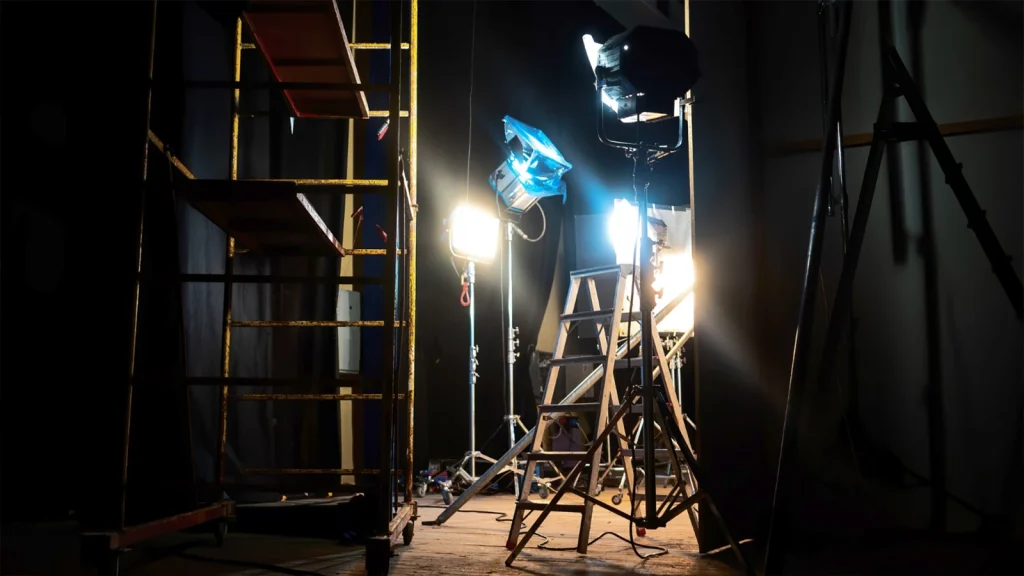
Reflective surfaces are the single biggest technical challenge in industrial product photography. Polarizing filters cut glare on metal and glass. While diffused, large-source lighting avoids the harsh hotspots that direct flash creates on chrome or polished steel. Photographers often shoot multiple exposures and blend them in post to control highlights without losing shadow detail.
Capturing Detail and Scale
Showing both the fine detail of a component and the scale of a facility usually takes two different setups. Macro or tight telephoto shots reveal craftsmanship in industrial machine photography, while wide shots, sometimes with a person or vehicle included for scale reference, communicate the true size of equipment or a production line.
Aerial & Drone Photography
Drone photography has become standard for construction progress, large facility exteriors, and job sites too vast to capture from the ground. It requires FAA Part 107 certification in the US. Plus, airspace clearance near restricted zones, a step to plan for well before shoot day.
Composition, Angles & Leading Lines
Industrial environments are full of natural leading lines. Conveyor belts, piping, structural beams, etc. that photographers use to draw the eye through a frame. Low or elevated angles can exaggerate scale. Symmetrical compositions of repeating machinery or racking tend to photograph especially well for marketing use.
Essential Camera & Lens Equipment
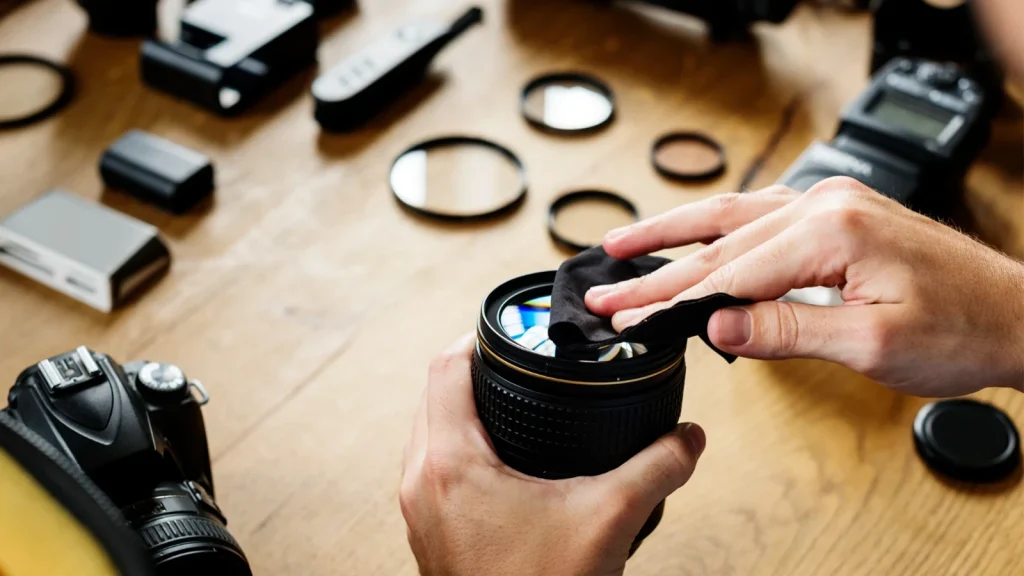
Most shoots run on a full-frame camera body with a wide-angle lens (16–35mm) for interiors. A mid-range zoom (24–70mm) for versatility on the floor. A macro or short telephoto lens covers detail shots, and a sturdy tripod matters more than usual given low-light interiors. Photographers also carry PPE, hard hats, safety glasses, and steel-toe boots as required gear, not optional extras.
Post-Production and Color Accuracy
Color accuracy matters more in industrial work than in almost any other photography niche. A machine’s true paint color or a material’s actual finish often carries functional significance for buyers. Photography post-production here typically focuses on realistic color correction rather than heavy stylization, along with perspective correction and careful exposure blending on high-contrast interiors.
Realistic Color Makes Images More Vibrant than Ever!Don’t be stuck in your business growth because of this type of deficiency. Offshore Clipping is here to bring you out!
Color Correction Service!
Planning an Industrial Photo Shoot: Step-by-Step
A successful industrial shoot is planned days or weeks in advance. Production downtime, safety clearance, and crew logistics all take lead time most other photography genres don’t require.
Site Access, Permits & Safety Requirements
Before anything else, confirm what access the site allows: some facilities require visitor badges, signed NDAs, or safety orientation completed in advance. Ask about required PPE, restricted zones, and whether a safety escort is mandatory. Government, energy, and pharmaceutical sites often need permits or security clearance arranged weeks ahead of shoot day.
Building the Shot List
A detailed shot list organized by location and priority keeps a shoot efficient and avoids costly return trips. It should separate must-have shots from nice-to-haves. Production schedules rarely leave room for improvisation once the crew is on-site.
Scheduling Around Production
Shoots typically happen during planned downtime, shift changes, or scheduled maintenance windows to minimize disruption to output. Coordinating directly with plant or operations managers is not just marketing. Avoids scheduling conflicts and ensures the right equipment is actually running when the crew arrives.
Equipment and Crew Logistics
Industrial sites often limit what gear can come through the door. Battery-powered lighting is preferred over anything requiring an open flame or excessive cabling near machinery. Crew size should stay lean, since large teams are harder to move safely through active work areas.
How Much Does Industrial Product Photography Cost?
Pricing varies more in industrial photography than in almost any other niche. Largely because site complexity and safety requirements differ so much between projects.
Pricing Models (Per Image, Per Hour, Per Day)
Most photographers price industrial work as a half-day or full-day rate. Commonly landing somewhere between roughly $500 and $2,500+ per day depending on experience and location rather than per image. Some offer per-image pricing for smaller, single-location jobs. Larger projects such as multi-site campaigns or annual report shoots are often quoted as flat project fees that bundle travel, editing, and licensing.
Factors That Affect Cost (Complexity, Site Size, Safety Gear, Travel)
Post-production complexity, such as heavy retouching or color grading across hundreds of images, is usually quoted separately. Worth confirming with any clipping path service providers you’re comparing before booking a shoot.
| Cost Factor | Typical Impact on Price |
|---|---|
| Site complexity / hazard level | Higher — specialized PPE, safety training, or escorts add cost |
| Facility size / number of setups | Higher — more locations and lighting setups mean more shoot time |
| Travel & lodging | Higher — remote or multi-site facilities add logistics costs |
| Turnaround time | Higher — rush delivery typically carries a premium |
| Licensing terms | Higher — exclusive or broad usage rights cost more than standard use |
| Post-production needs | Variable — retouching and color correction are often quoted separately |
Frequently Asked Questions
A few questions come up in almost every planning conversation about an industrial shoot.
How many images will I need for my project?
It depends on scope, but a single-location shoot for a website and basic marketing typically needs 20–50 final edited images. While a multi-site campaign or annual report project can run into the hundreds.
How long does a typical industrial shoot take?
Most single-location shoots run half a day to a full day, depending on the number of setups and how much of the facility needs coverage. Multi-building sites or projects requiring extensive safety orientation can stretch across two or more days.
What should I prepare before shoot day?
Confirm access, safety requirements, and a signed shot list in advance. Brief plant staff so operations run as normal rather than staged; tidy areas that will be photographed, and keep a point of contact on-site.
How do I choose the right industrial photographer?
Look for direct experience in your specific industry. Review their portfolio for lighting quality on reflective surfaces and scale, ask about safety training and certifications, and confirm turnaround time and editing support before booking.
Final Thoughts
Industrial photography is often the fastest way to prove competence to a buyer who has never set foot on the floor. The types, styles, and techniques covered here should give any team a solid starting point, whether briefing a photographer for the first time or refining a shoot they’ve run for years.
Once the shoot wraps, the real work remains: turning raw files into consistent, on-brand assets. That’s where a photo editing partner can handle reflective-surface color correction, background cleanup, and delivery-format prep. So, a single shoot day yields months of usable content.