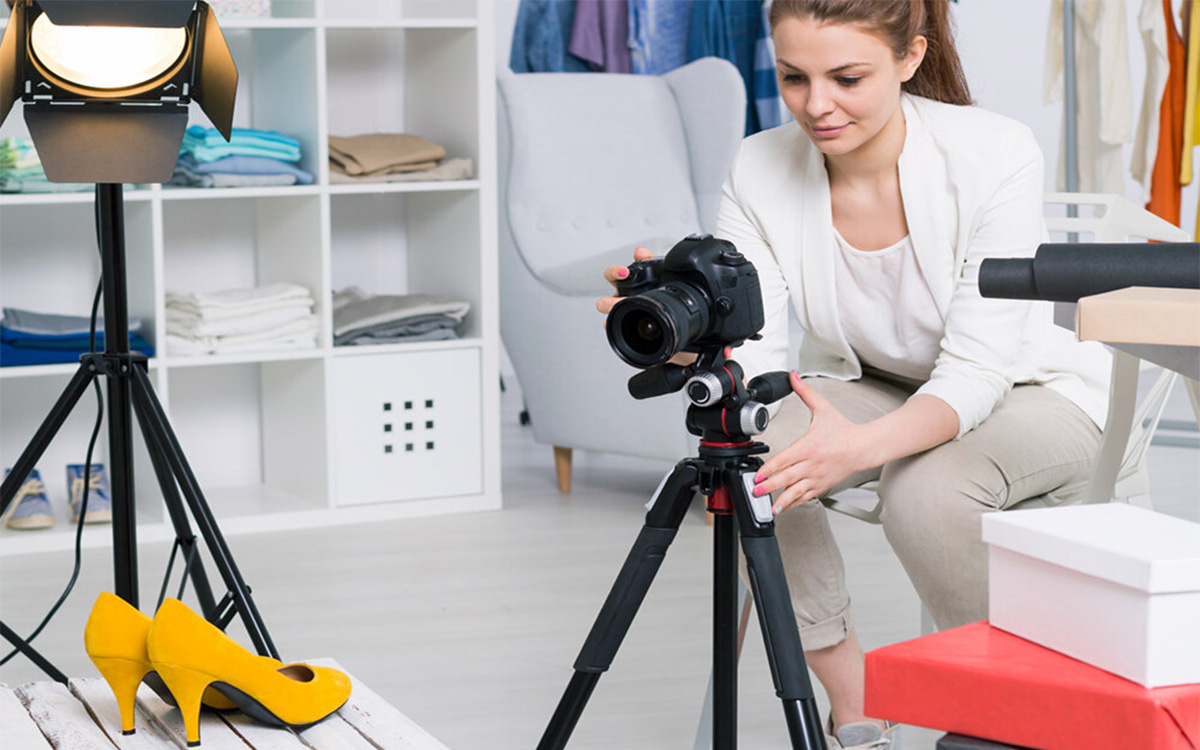
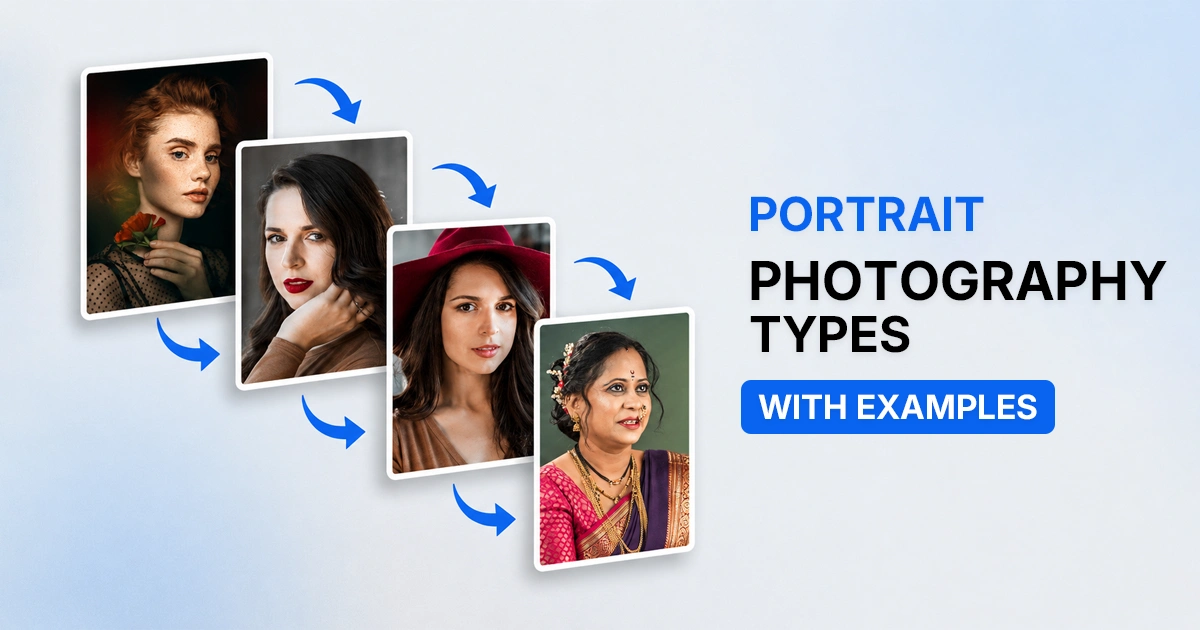
You picked up a camera. You pointed it at someone. And suddenly you realised there’s a lot more to portrait photography than just pressing the shutter. Different styles, different moods, different purposes. It can feel overwhelming when you don’t know where to start.
But here’s the good news: once you understand the main portrait photography types, everything clicks into place. You’ll know what to shoot, how to set it up, and which style fits your goals.
If you’re a hobbyist, a freelance photographer just starting out, or a photography studio owner building your service menu, this guide breaks it all down in plain, beginner-friendly language.
Let’s get into it.
What Is Portrait Photography?
Portrait photography is the art of capturing a person (or group of people) on their personality, expression, mood, or identity. Unlike street or landscape photography, portraits put the human subject front and center.
A great portrait doesn’t just show what someone looks like. It tells you something about who they are. The lighting, the background, the pose, the expression every element works together to create that story.
Portrait photography shows up everywhere: professional headshots on LinkedIn, family photos on living room walls, editorial spreads in fashion magazines, and fine art prints in galleries. The range is huge and that’s exactly why it helps to know the different types before you start shooting.
10 Types of Portrait Photography at a Glance
Here’s a quick overview before we dive deep into each one:
- Traditional Portrait Photography
- Environmental Portrait Photography
- Candid or Documentary Portrait Photography
- Lifestyle Portrait Photography
- Headshot Photography
- Editorial and Fashion Portrait Photography
- Glamour and Beauty Portrait Photography
- Fine Art or Conceptual Portrait Photography
- Self-Portrait Photography
- Family, Couple, and Group Portrait Photography
1. Traditional Portrait Photography
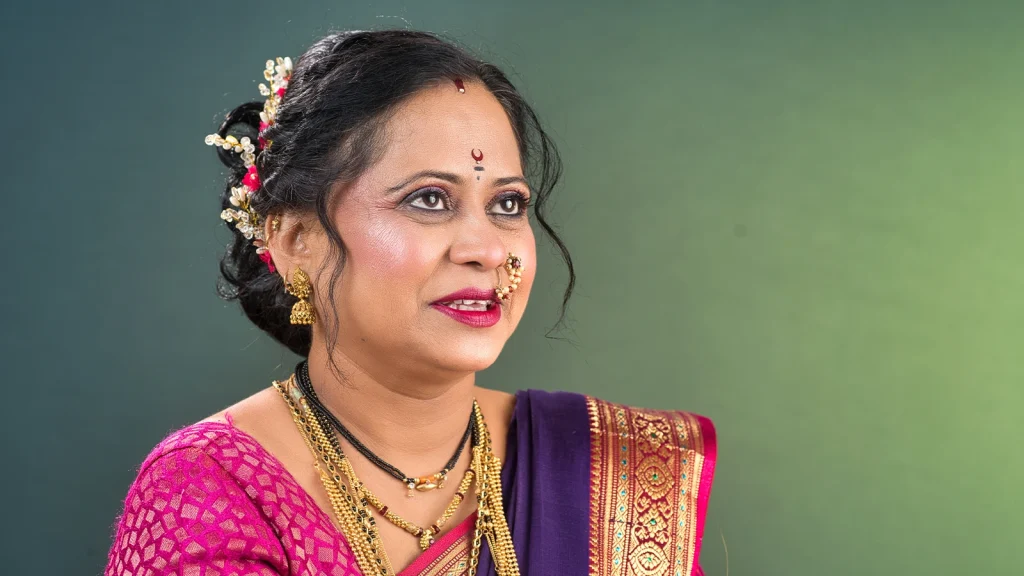
Traditional portrait photography is the classic approach. The subject poses directly in front of the camera, usually against a plain or simple background. The focus is purely on the person and their face, expression, and presence.
This style is commonly used for:
- School and yearbook photos
- Formal family portraits
- Corporate or professional portraits
- Religious or cultural milestone photos (graduations, confirmations, etc.)
What makes it work: The simplicity. Without a distracting background or busy environment, the viewer’s attention stays on the subject. Lighting is typically controlled either studio strobes or softboxes to make the subject look clean and polished.
Example: A child in their Sunday best, sitting on a stool against a grey backdrop, looking straight at the camera with a smile. That’s traditional portrait photography in its most recognisable form.
Beginner tip: Start with a plain white or grey backdrop, a single softbox light at 45 degrees, and a 50mm or 85mm lens. Keep it simple.
2. Environmental Portrait Photography
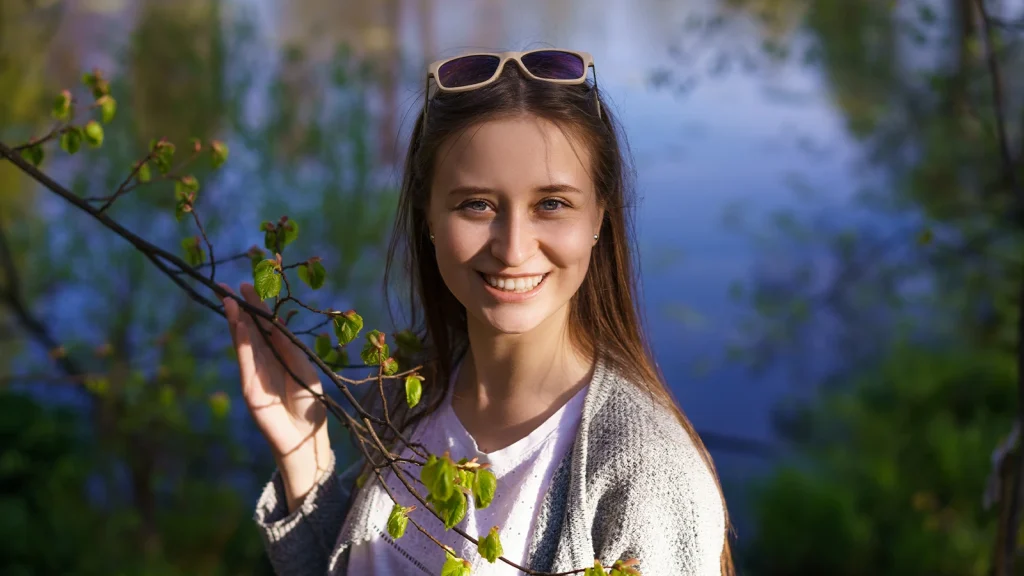
Environmental portrait photography places the subject inside a setting that reflects their life, work, or personality. Instead of removing distractions, this style uses the environment to add context and depth.
Think of a chef photographed inside their kitchen, surrounded by copper pots and fresh ingredients. Or a mechanic in their garage, hands still greasy, looking straight into the lens. The environment tells part of the story.
What makes it work: The connection between person and place. Viewers immediately understand something meaningful about the subject without reading a single caption.
This style is popular for:
- Editorial magazine features
- Documentary-style business portraits
- Artist and musician portfolios
- Non-profit and humanitarian storytelling
Beginner tip: Scout your location before the shoot. Look for natural light sources, interesting backgrounds, and enough space to work comfortably. Avoid cluttered or chaotic environments unless the mess is intentional and meaningful.
Want stronger compositions in your environmental shots? Check out our guide on Photography Composition Tips for Beginners to frame your subjects like a pro.
3. Candid or Documentary Portrait Photography
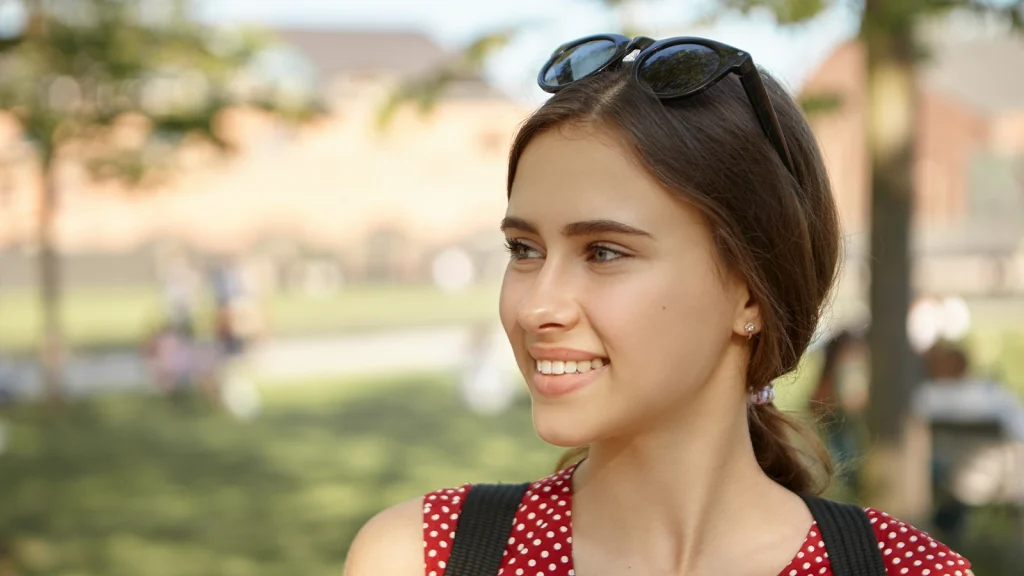
Candid portrait photography captures people in unposed, natural moments. The subject isn’t aware of (or isn’t reacting to) the camera. The result is an honest, unfiltered image that shows real emotions and real life.
Documentary portrait photography takes this one step further. It tells a story over a series of images, often used in photojournalism or social documentary work.
What makes it work: Authenticity. There’s a reason candid photos often feel more emotional than posed ones. When people aren’t performing for the camera, genuine expressions surface: laughter, concentration, tenderness, surprise.
Example: A grandmother laughing at something her grandchild said, caught in the moment. She didn’t know the photo was being taken. That spontaneity is exactly what makes it powerful.
This style is great for:
- Wedding and event photography
- Street photography
- Documentary and journalism projects
- Family lifestyle sessions
Beginner tip: Use a longer lens (85mm or 135mm) to shoot from a distance without disturbing the moment. Set your camera to continuous shooting mode so you don’t miss a split second.
4. Lifestyle Portrait Photography
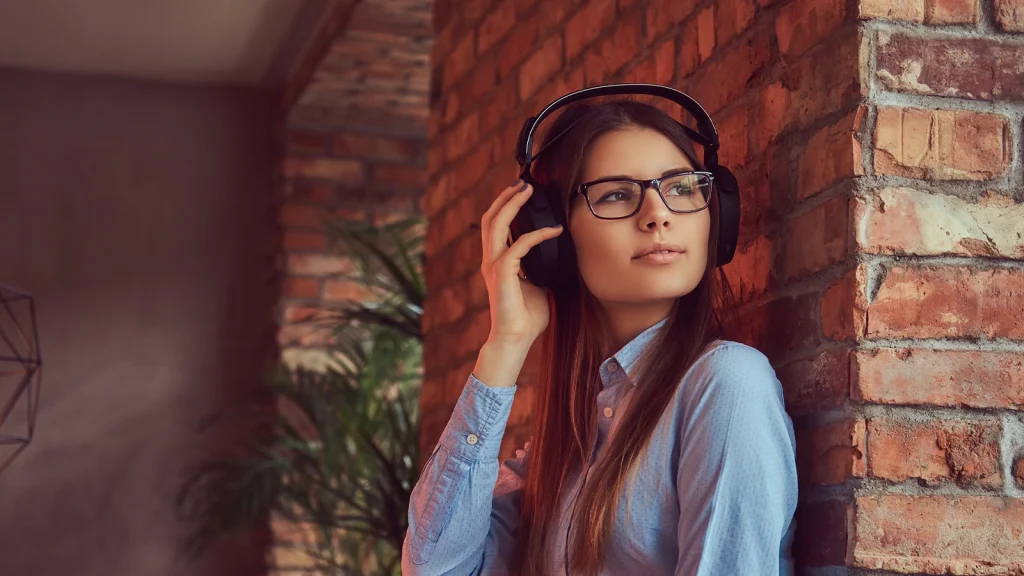
Lifestyle portrait photography is a blend of posed and candid photography. It captures people doing everyday activities such as cooking, reading, playing with their kids, and walking through a park. But in a controlled, intentional way. The photographer sets up the scene, but the subject acts naturally within it.
This style is extremely popular right now, especially on social media and in brand marketing.
What makes it work: It feels real, even when it’s staged. Lifestyle photos are warm, relatable, and emotionally engaging. They show life as it is (or as we’d like it to be).
Lifestyle portraits are widely used for:
- Social media content for brands and influencers
- Family portrait sessions
- Personal branding photography
- Product and commercial photography
Example: A mom and her toddler are making pancakes together in a bright kitchen, flour everywhere, both laughing. The scene was set up, but the joy is genuine.
Beginner tip: Give your subject something to do rather than just telling them to pose. Activity creates natural body language and expressions.
5. Headshot Photography
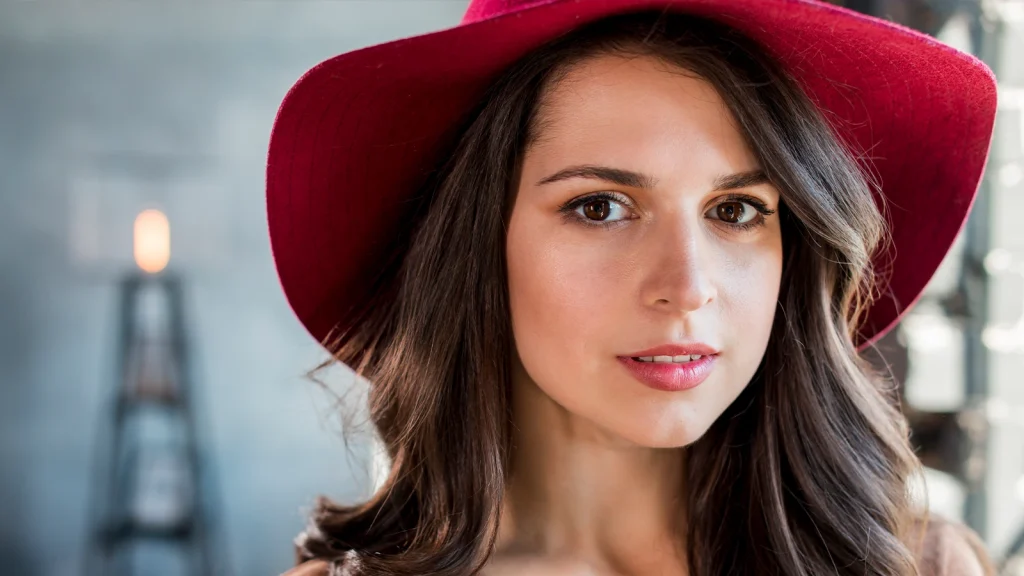
A headshot is a tightly framed portrait. This is usually from the shoulders up, which focuses on the face. It’s professional, clean, and purposeful. The goal is to make the subject look approachable, competent, and memorable.
Headshots serve a very specific purpose: they represent a person professionally.
Common uses include:
- LinkedIn profiles and business websites
- Actor and model portfolios
- Real estate agent marketing
- Corporate team pages
- Speaker bios and conference programs
What makes it work: Clarity and confidence. A great headshot communicates “I’m someone you can trust and work with” within a fraction of a second.
Example: A corporate professional in a blazer, photographed against a clean grey background, with soft natural-looking lighting and a direct, confident gaze.
Beginner tip: Pay close attention to eye focus. In headshots, sharp eyes are non-negotiable. Use a slightly longer focal length (85mm is ideal) to avoid distortion and keep the face flattering.
6. Editorial and Fashion Portrait Photography
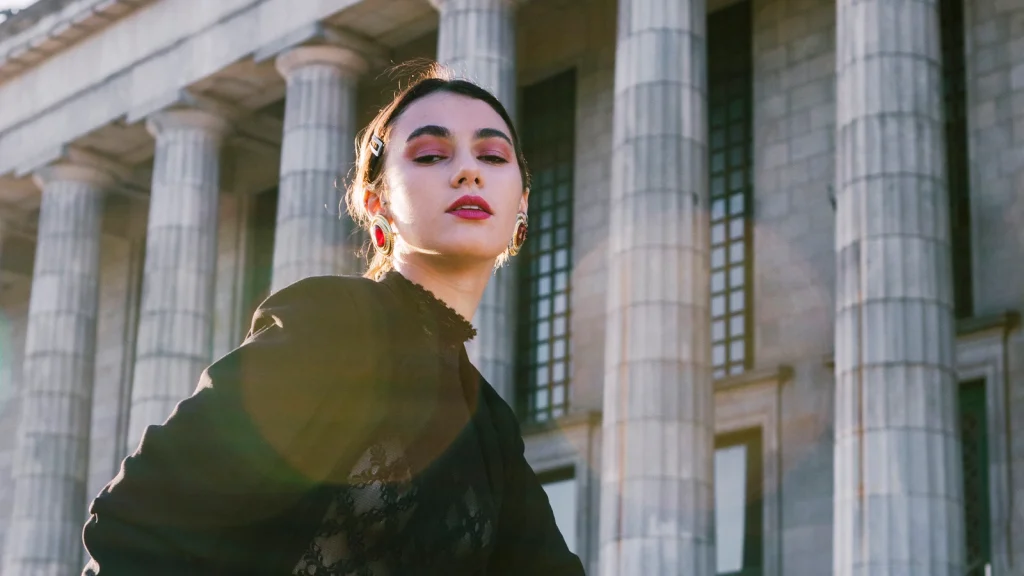
Editorial portrait photography is created for publication. Think magazine covers, features, and ad campaigns. It’s highly stylized, often concept-driven, and designed to communicate a message or emotion beyond just “this is what someone looks like.”
Fashion portrait photography specifically highlights clothing, accessories, and style, with the model serving as the canvas.
What makes it work: Intentionality. Every element, such as lighting, wardrobe, makeup, background, pose, is planned and purposeful. There’s a creative vision behind each image.
This style is used by:
- Fashion magazines and brands
- Clothing and accessory retailers
- Beauty and cosmetic companies
- Creative directors and art directors
Beginner tip: Study editorial work in magazines like Vogue, Harper’s Bazaar, or Wired. Notice how lighting and posing change the mood completely. Then try recreating a look you admire with a willing friend and some creative props.
7. Glamour and Beauty Portrait Photography
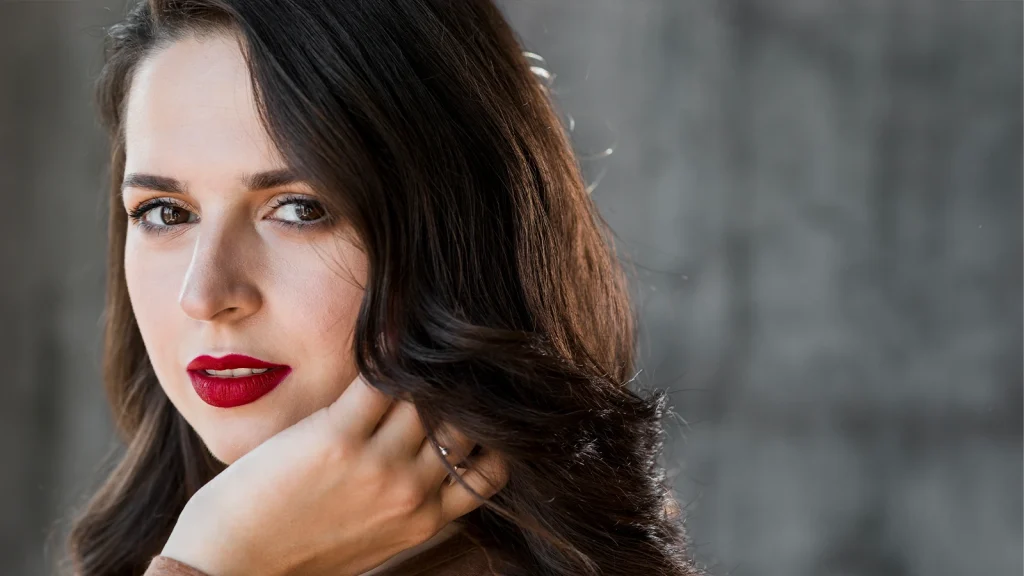
Glamour photography focuses on making the subject look as attractive and polished as possible. It’s aspirational; think retouched skin, soft lighting, perfectly styled hair, and confident, alluring poses.
Beauty portrait photography goes even further, often zooming in on specific features: flawless skin, dramatic eye makeup, bold lips, or a striking jawline.
What makes it work: High production value. Professional lighting (usually a large softbox or beauty dish), quality makeup, careful retouching, and a subject who feels confident in front of the camera all come together.
This style is popular in:
- Commercial beauty and cosmetics advertising
- Boudoir and confidence portrait sessions
- Makeup artist portfolios
- Salon and spa marketing
Example: A close-up portrait showing a woman’s dramatic eye makeup against a dark background, lit with a ring light to create that signature catch-light in the eyes.
After your glamour shoot, post-processing is key. Read our complete guide on Photography Post-Processing to get polished, professional results in editing.
Beginner tip: Work with a makeup artist if possible. Even basic grooming and makeup prep makes a significant difference in the final images.
8. Fine Art or Conceptual Portrait Photography
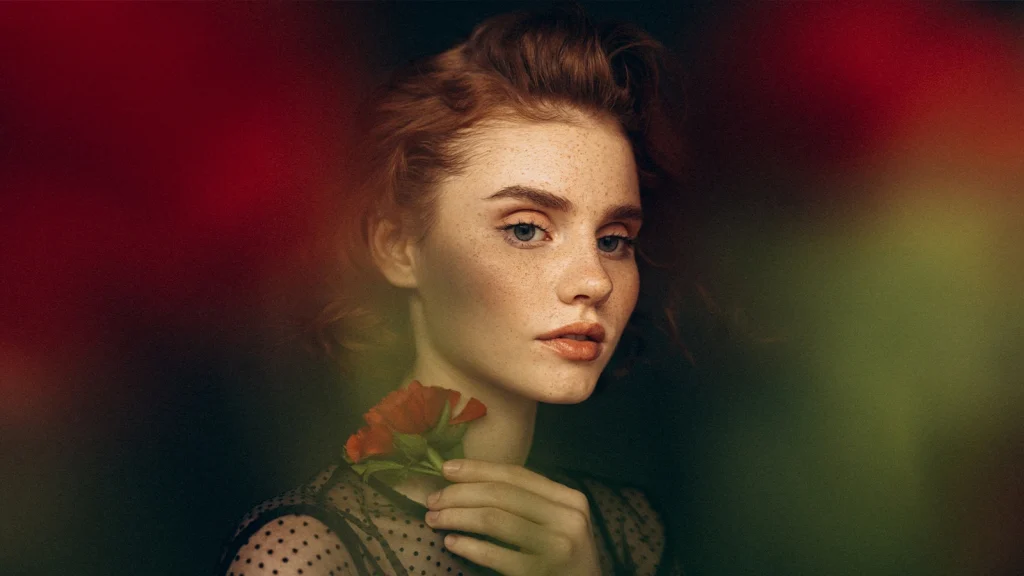
Fine art portrait photography treats photography as a form of artistic expression. The portrait isn’t just a record of a person. It’s a creative statement. These images often involve symbolism, storytelling, unusual lighting, props, or digital manipulation.
Conceptual photography takes it a step further by building an entire visual concept or narrative around the subject.
What makes it work: Creative risk-taking. Fine art portraits are meant to provoke thought, evoke emotion, or challenge the viewer’s perception. They don’t follow traditional rules, they break them intentionally.
This style shows up in:
- Art galleries and exhibitions
- Photography competitions
- Personal creative projects
- Book covers and album artwork
Example: A portrait of a woman standing in an empty field at dusk, holding a single burning candle, surrounded by floating flower petals all captured in a single long-exposure image. It’s not just a photo; it’s a visual poem.
Beginner tip: Start with a concept, not a camera setting. Write down what emotion or idea you want to convey, then build the image around that intention.
9. Self-Portrait Photography
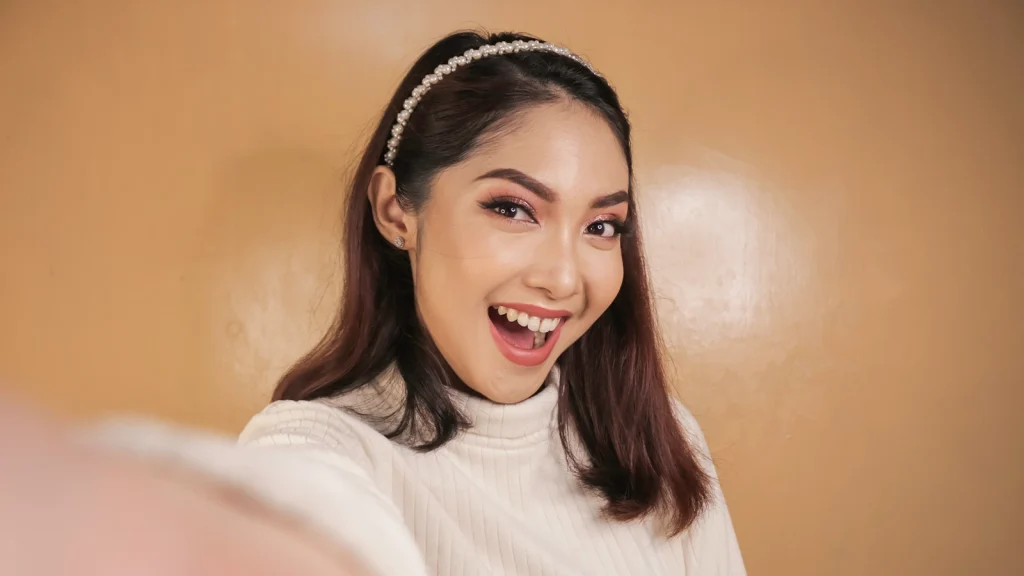
Self-portrait photography is exactly what it sounds like: you photograph yourself. It’s one of the most accessible types of portrait photography because your only model is always available you.
But self-portraits are more than just selfies. They can be deeply expressive, artistic, or experimental. Many of history’s greatest artists (Rembrandt, Frida Kahlo, Cindy Sherman) made self-portraiture a cornerstone of their work.
What makes it work: Creative control and vulnerability. When you’re both photographer and subject, you have complete freedom over every element of the image.
Self-portrait photography is used for:
- Personal artistic exploration
- Building a portfolio without needing other models
- Self-expression and identity work
- Social media and personal branding
Tools you’ll need:
- A tripod (essential)
- A remote shutter release or self-timer
- A mirror or live-view screen to check framing
- Good lighting (natural window light is a great starting point)
Beginner tip: Start by practising with your camera on a tripod, using a stuffed animal or chair to prefocus. Once your settings are dialled in, swap yourself in.
10. Family, Couple, and Group Portrait Photography
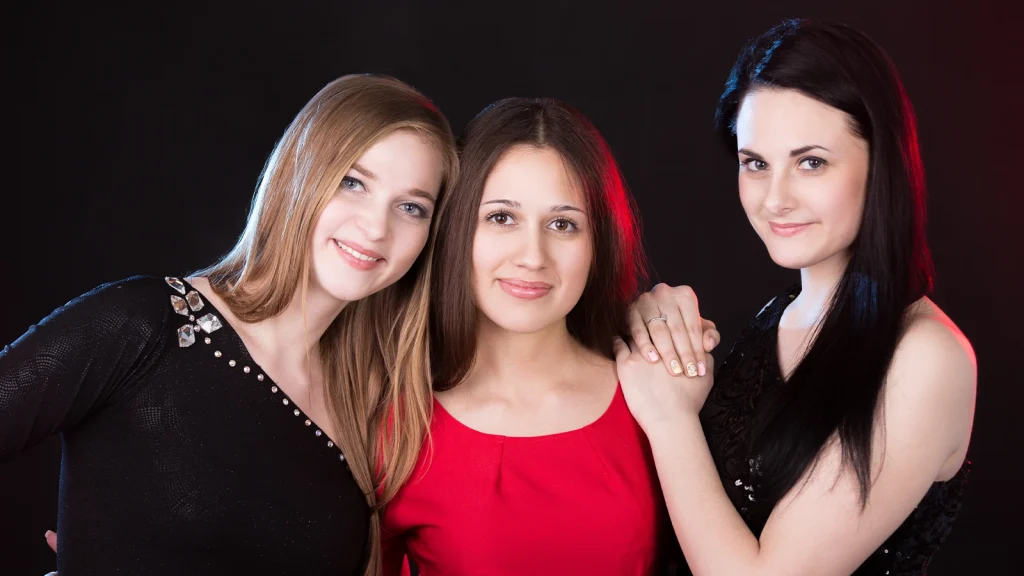
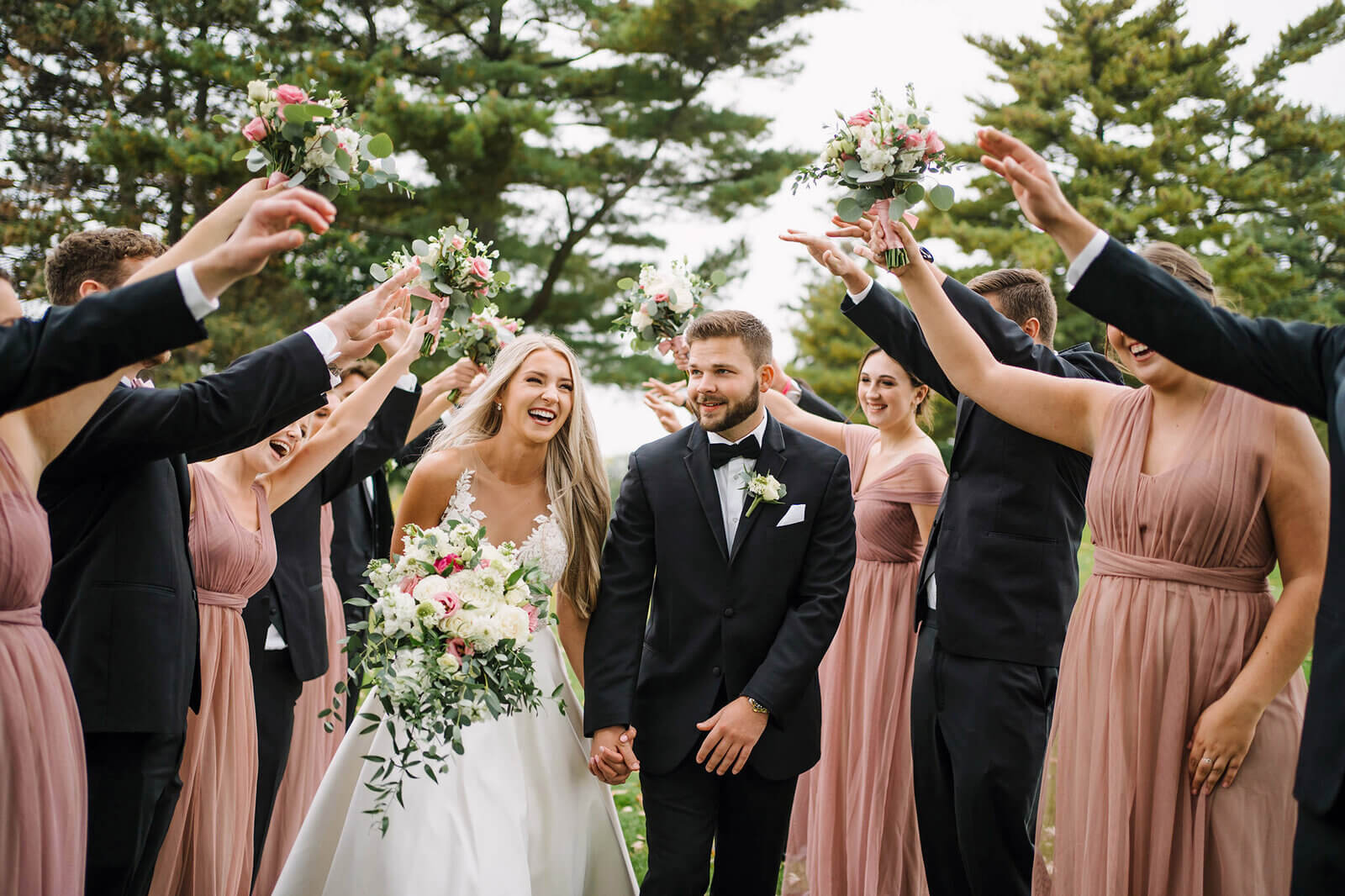
Group portrait photography captures the relationships between people. The warmth of a family, the chemistry of a couple, the energy of a team. It requires managing multiple subjects at once while still creating a cohesive, flattering image.
What makes it work: Connection. The best group portraits capture genuine moments between the people in the frame. A laugh shared between siblings, a couple leaning into each other, a grandparent holding a grandchild’s hand.
Common occasions include:
- Annual family portraits
- Engagement and a couple of sessions
- Milestone events (reunions, anniversaries)
- Wedding party photos
- Corporate team portraits
Beginner tip: Grouping matters. Avoid flat, straight lines — stagger your subjects at different heights using chairs, stairs, or natural terrain. This creates depth and visual interest.
Heading into wedding season? Our Wedding Photography Tips for Beginners will help you nail group shots and candid moments on the big day.
Which Type of Portrait Photography Should Beginners Try First?
If you’re just starting out, traditional portrait photography and lifestyle portrait photography are the most beginner-friendly options. Here’s why:
Traditional portraits require minimal gear. A simple backdrop, one or two lights, and a camera. The controlled environment makes it easier to learn lighting and posing fundamentals.
Lifestyle portraits are flexible and forgiving. Natural light works perfectly, and the relaxed atmosphere makes it easier to get natural-looking expressions from your subjects.
Once you feel comfortable with the basics, try branching into headshots (high demand, great for building a client base) or candid/documentary work (perfect for developing your eye for spontaneous moments).
Beginner Gear and Settings for Portrait Photography
You don’t need expensive gear to take great portraits. Here’s what actually matters:
Recommended gear:
- Camera: Any DSLR or mirrorless camera with manual controls
- Lens: 50mm f/1.8 (affordable and versatile) or 85mm f/1.8 (flattering for faces)
- Lighting: A large window for natural light, or a single softbox for studio work
- Backdrop: A plain white, grey, or black backdrop (even a painted wall works)
Recommended settings to start:
- Aperture: f/1.8–f/4 for a blurred background (bokeh)
- Shutter speed: 1/125s or faster to avoid motion blur
- ISO: Keep as low as possible (100–400) for clean, noiseless images
- Focus mode: Single-point autofocus aimed at the nearest eye
Want to understand framing better? The Rule of Thirds in Photography is a simple principle that instantly improves how you compose portraits.
Common Portrait Photography Mistakes Beginners Should Avoid
Even talented beginners fall into these traps early on:
- Shooting at eye level always: Try different angles slightly above eye level is often more flattering, especially for headshots.
- Ignoring the background: A distracting background pulls the viewer’s eye away from your subject. Always check what’s behind your subject before shooting.
- Not communicating with your subject: A nervous, stiff subject makes for awkward portraits. Talk to them, make them laugh, give clear direction.
- Overusing flash: Harsh direct flash flattens features and kills mood. Learn to use natural light or diffused flash.
- Skipping post-processing: Even minor edits adjusting exposure, white balance, and minor retouching make a big difference. Don’t skip this step.
- Shooting only one frame: Take multiple shots per pose. Expressions change in milliseconds, and you want options to choose from.
Photography Practice Plan for Beginners
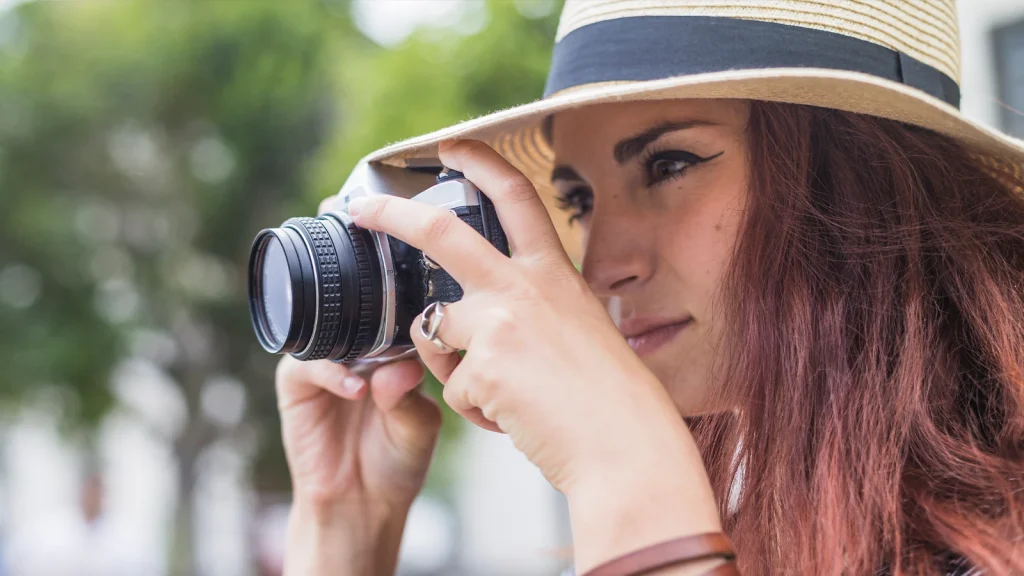
Here’s a simple 4-week plan to build your portrait skills from scratch:
Week 1 — Traditional portraits:
Shoot 3–5 traditional portraits using a simple backdrop and window light. Focus on exposure and sharpness.
Week 2 — Environmental portraits:
Take your subject to a meaningful location (their workspace, a park, their kitchen). Practice telling a story with the environment.
Week 3 — Candid and lifestyle:
Spend an afternoon with family or friends. Don’t direct just observe and photograph. Review what made the best shots work.
Week 4 — Mix and edit:
Revisit your best shots from all three weeks. Edit them using a consistent style, then build a mini portfolio of 10–12 images.
Ready to organize and edit your growing photo library? Our guide on Wedding Photo Editing Workflow will save you hours of frustration.
Frequently Asked Questions About Portrait Photography Types
Which portrait photography type is best for beginners?
Traditional and lifestyle portrait photography are the most beginner-friendly. They require minimal gear and allow you to focus on learning core skills like lighting, posing, and exposure.
What is the difference between candid and lifestyle portraits?
Candid portraits capture unplanned, unposed moments. The subject usually doesn’t know the photo is being taken. Lifestyle portraits are partially staged the scene is set up intentionally, but the subject acts naturally within it.
What is the difference between a headshot and a portrait?
A headshot is a specific type of portrait that is tightly framed (shoulders up), professionally focused, and used for career or identity purposes. A portrait is a broader term that covers any image focused on a person.
What lens should beginners use for portrait photography?
The 50mm f/1.8 is a great starting lens — affordable, versatile, and sharp. If your budget allows, the 85mm f/1.8 is even better for portraits because it’s more flattering to facial features and creates beautiful background blur.
Can I practice portrait photography with a phone?
Absolutely. Modern smartphones have excellent portrait modes. Use natural window light, find a clean background, and focus on composition and expression. Your phone is a great learning tool before you invest in a dedicated camera.
Do I need studio lighting for portraits?
No. Many professional portraits are shot entirely with natural light from a large window. Studio lighting gives you more control, but it’s not a requirement, especially for beginners.
Which portrait photography type is best for earning money?
Headshot photography and family/group portrait photography tend to have the most consistent client demand. Corporate headshots especially can command high rates, and families are always looking for professional portraits for milestones.
What should I include in a beginner portrait portfolio?
Aim for variety. Include 2–3 examples each of traditional, lifestyle, and environmental portraits. Add a headshot, a candid moment, and ideally one group shot. 10–15 strong images are plenty to start showing potential clients.