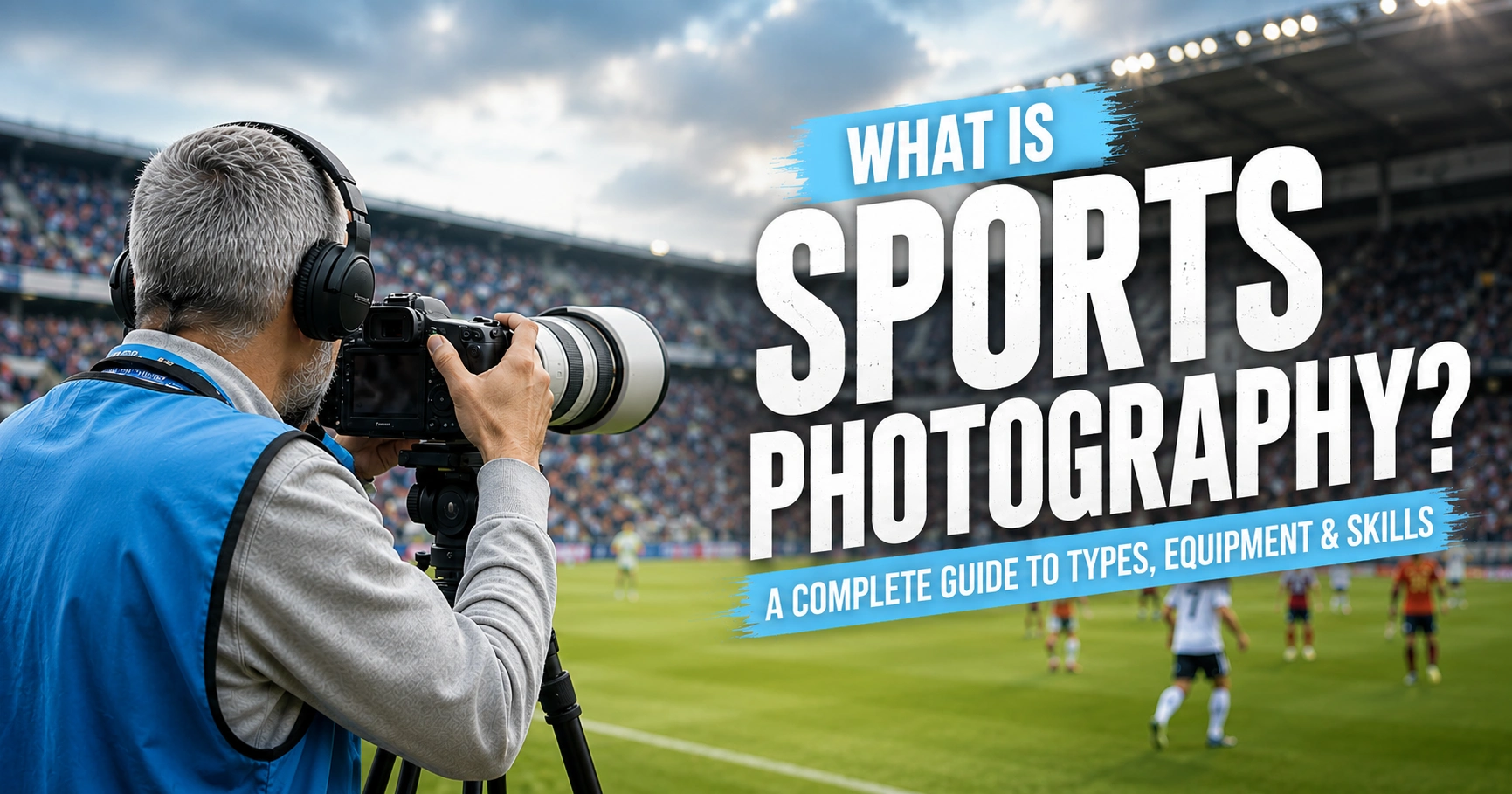
Sports photography is the art of capturing decisive moments in sport, from game-winning goals and finish-line victories to the emotions that follow the final whistle.
It combines technical camera skills, game awareness, fast autofocus tracking, precise timing, and professional post-processing to create images that tell the story of a competition.
So, what separates an unforgettable sports photo from an ordinary one? It’s rarely the camera alone. The strongest images come from anticipating the action, choosing the right position before the play unfolds, and pressing the shutter at exactly the right moment. Careful editing then enhances those moments without losing their authenticity.
In this guide, you’ll learn how sports photography works, the equipment and camera settings professionals rely on, the skills that matter most, and how to edit sports photos that are ready for clients, publications, and brands.
What Is Sports Photography?
Sports photography is a specialised type of photography that captures the defining moments of a game, whether it’s a winning goal, a game-saving tackle, or the emotion that follows the final whistle.
Unlike general photography, every decision happens in seconds. You don’t get a second chance to capture key moments.
Sports photos are commonly used for:
- Sports photojournalism to report live sporting events
- Team media days for player profiles and official websites
- Athlete branding to attract sponsors and build a professional image
- Marketing campaigns for sports brands and apparel companies
- Tournament coverage for clubs, schools, and sports organisations
- Social media content that keeps fans engaged before, during, and after a game
People might think sports photography is all about fast cameras and long lenses. In reality, those are only part of the process.
The strongest images come from reading the game, anticipating the action, and knowing exactly when to press the shutter. That’s what turns a routine photo into one people remember.
Short History of Sports Photography
The history of sports photography began in the mid-19th century, when early cameras were too slow to capture athletes in motion.
One of the earliest known sports photographs was taken in 1843 by David Octavius Hill and Robert Adamson.
During the 1870s and 1880s, Eadweard Muybridge’s motion studies proved that cameras could freeze movement, changing action photography forever.
By the late 19th century, faster shutters and portable cameras made live sports coverage possible.
This type of photography style grew rapidly throughout the 20th century, especially after Sports Illustrated launched in 1954. Today, advanced cameras make the job easier, but timing, positioning, and game awareness still define great sports photography.
What Is Sports Photography Used For?
Sports event photography serves many purposes beyond capturing action on the field. The same image can be used to report breaking sports news, promote a brand, build an athlete’s personal image, or document an important event.
That’s why professional photographers don’t shoot every assignment the same way. They plan their photos based on where the images will be published and who will use them.
Understanding these different uses will help you capture more purposeful images and deliver exactly what your client needs.
Photojournalism & Editorial Coverage
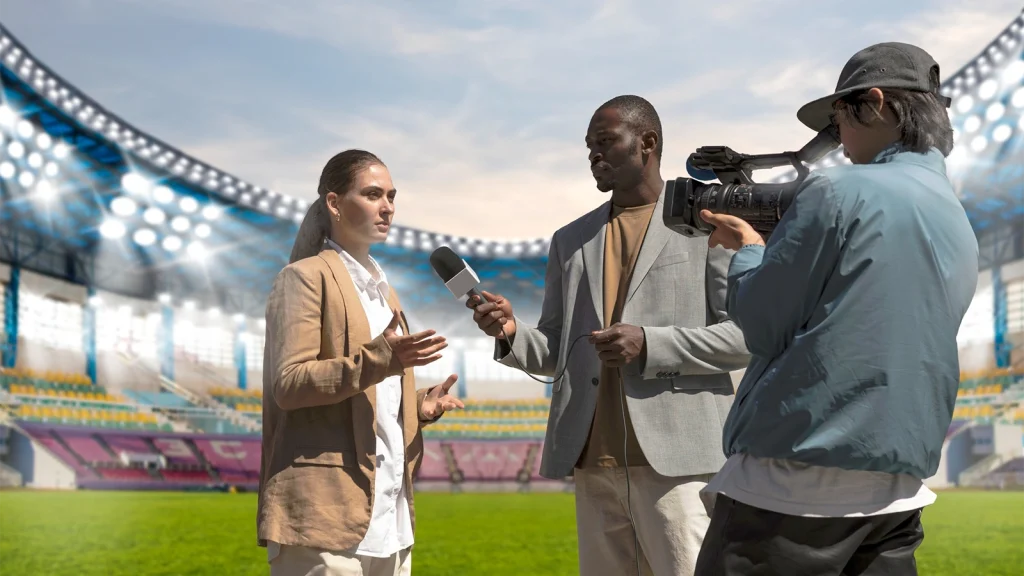
Sports photojournalism captures real moments as they happen. News outlets, magazines, and sports websites use these images to tell the story of a match without changing what actually happened.
Editorial sports photos often include:
- Match-winning moments
- Player celebrations
- Emotional reactions
- Coach and team interactions
- Crowd atmosphere
Accuracy comes first. Editing should improve image quality, not change the events on the field.
Advertising & Brand Promotion
Powerful action shots and athlete portraits help brands showcase products, strengthen marketing campaigns, and connect with their audience in a more authentic way.
Commercial sports photos may feature:
- Sportswear and footwear
- Fitness equipment
- Brand partnerships
- Product launches
- Promotional websites and ads
Unlike editorial work, these images often receive more creative editing to match the brand’s visual style.
Event Documentation & Social Media
Every sporting event creates stories beyond the final score. Teams, clubs, schools, and event organizers need photos that capture the full experience, both on and off the field.
A complete event gallery may include:
- Opening ceremonies
- Team warm-ups
- Match highlights
- Fan reactions
- Award presentations
- Behind-the-scenes moments
This variety gives clients fresh content for websites, newsletters, and social media long after the event ends.
Athlete Branding & Sponsorship
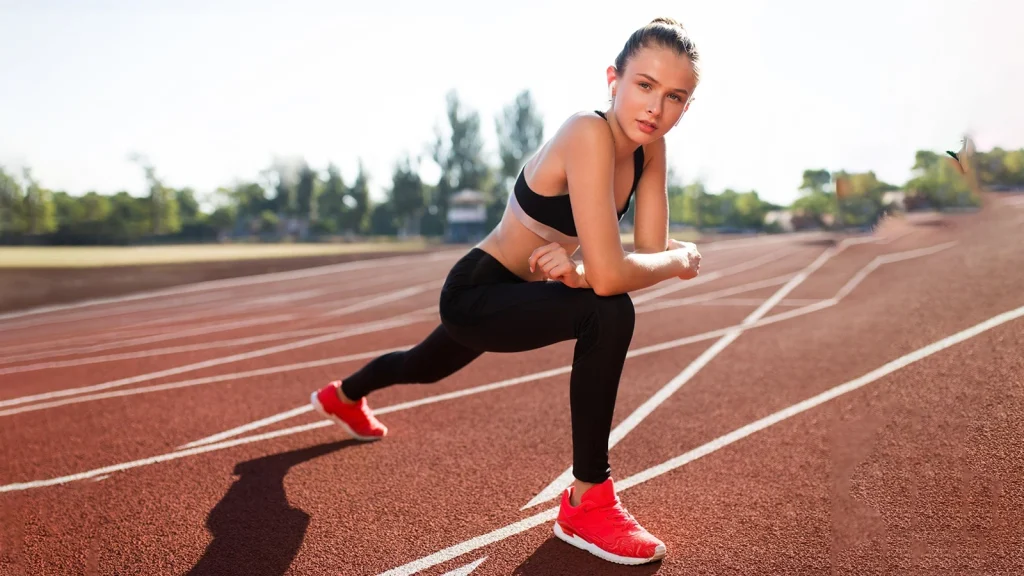
Many athletes use professional photos to build their personal brand. Strong images help them attract sponsors, grow their online presence, and create a professional image across different platforms.
A branding gallery often includes:
- Action photos
- Training sessions
- Professional headshots
- Lifestyle portraits
- Sponsored product photos
The goal is to showcase both athletic performance and personality.
Every sports photo has a purpose. Understanding that purpose helps you capture images your clients can actually use.
Types of Sports Photography
Every sporting event creates opportunities for different photography styles. Some are designed to freeze peak action, while others focus on portraits, team identity, or the atmosphere that surrounds the competition.
Knowing these styles helps you choose the right approach for every assignment and deliver images that match your client’s needs.
Individual Headshots
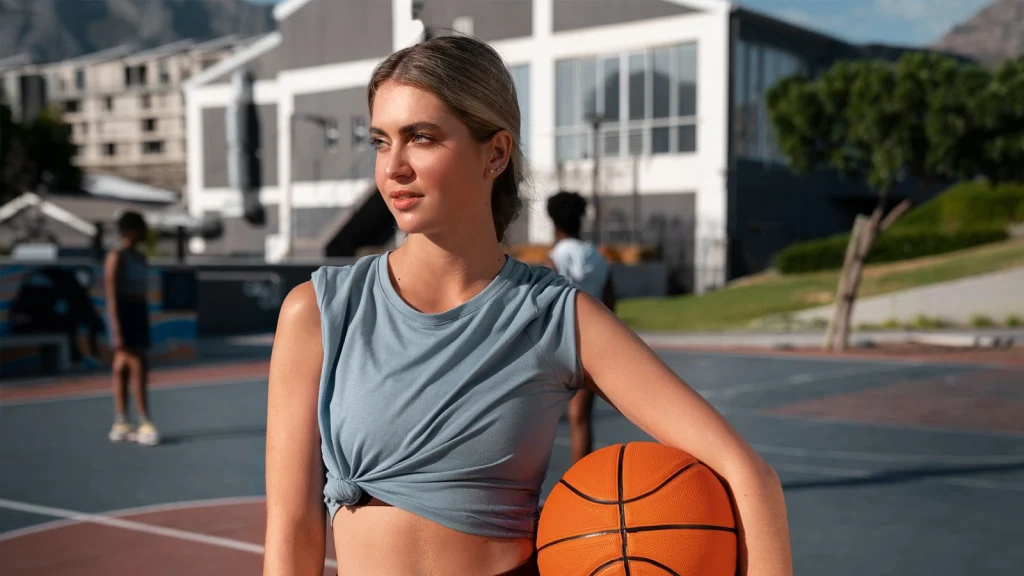
Individual headshots focus on a single athlete. Teams use them for player profiles, media guides, websites, and sponsorship opportunities. A strong headshot photo should look professional while still showing the athlete’s personality.
A good sports headshot should:
- Show confidence and personality
- Use clean, even lighting
- Keep the background simple
- Match the team’s visual style
Natural editing works best. The goal is to improve the image without changing how the athlete really looks.
Group and Team Photography
Team photos bring everyone together in a single frame. These images are often used for club websites, season programs, social media, and promotional materials.
For the best results:
- Arrange players by height and position
- Keep lighting consistent
- Check uniforms and spacing
- Take multiple frames to avoid closed eyes
A little planning before the shoot can save a lot of editing time later.
Action or Peak-Action Photography
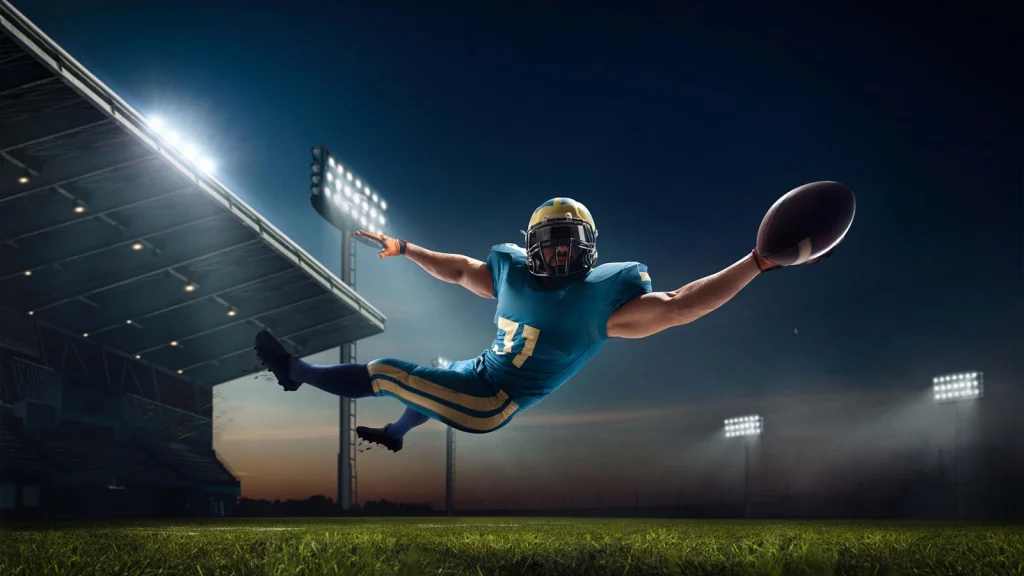
Action photography captures the biggest moments of a game. Good timing is more important than shooting hundreds of frames.
Look for moments such as:
- Goals and celebrations
- Tackles and saves
- Jumps and dives
- Finish-line victories
- Emotional reactions
The best action photos show both movement and emotion.
Documentary & Storytelling Photography
Not every memorable photo happens during the game. A quiet moment before kickoff or a team’s reaction after the final whistle can tell an equally powerful story.
Storytelling images add context and help viewers connect with the people behind the sport.
Editorial & Portrait Photography
Editorial sports portraits are carefully planned. They’re often created for interviews, magazines, media kits, and promotional campaigns.
These photos focus on:
- Expression
- Lighting
- Composition
- The athlete’s personality
The goal is to create an image that feels authentic while supporting the story being told.
Event Photography
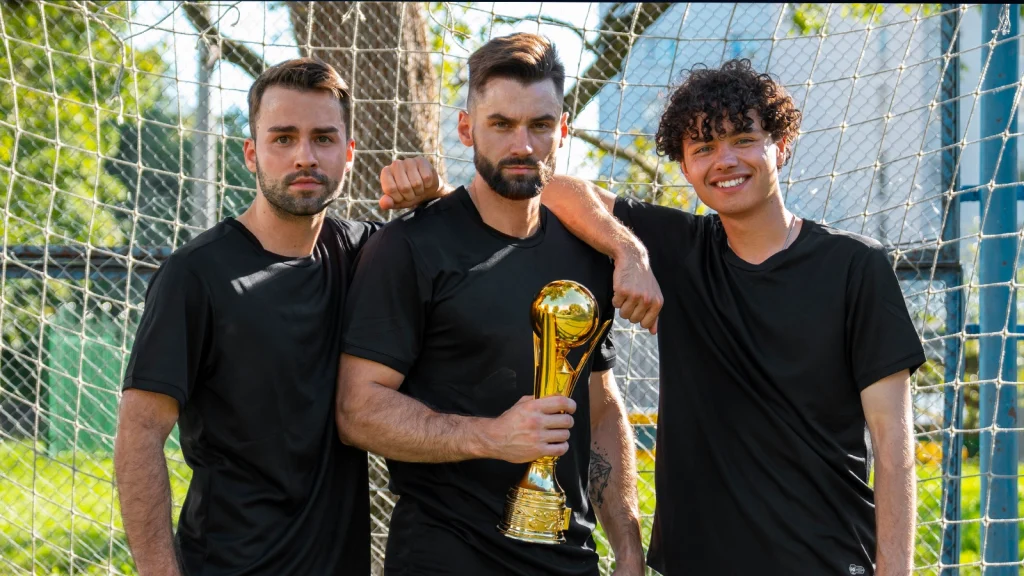
Event photography records the entire experience, not just the competition. Clients often want a gallery that tells the full story from beginning to end.
A complete event gallery usually includes:
- Venue details
- Team arrivals
- Match action
- Spectators
- Medal ceremonies
- Closing celebrations
Delivering a balanced gallery gives clients far more value than action shots alone.
Each type of sports photography serves a different purpose. The better you understand your client’s goal, the easier it becomes to capture the right images.
Equipment for Sports Photography
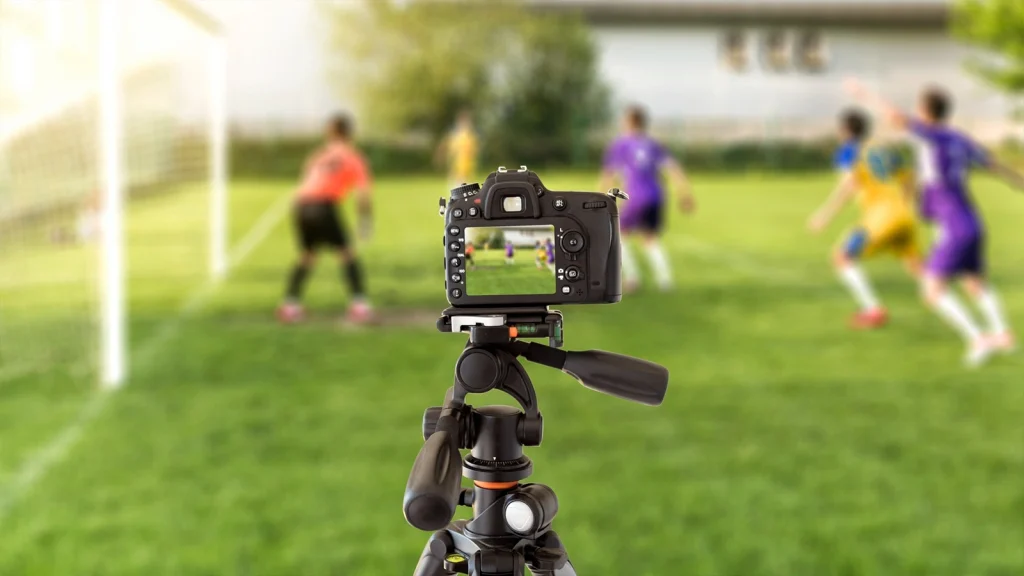
Different assignments demand different gear, but one thing stays the same: your equipment must keep up with fast-moving action. But no matter what you photograph, your equipment still needs to keep up with the pace of the game. The right gear won’t guarantee a great photo, but it will help you react faster, focus more accurately, and capture moments you might otherwise miss.
Camera Body
Your camera body controls how quickly you can react when the action unfolds. Instead of chasing the highest megapixel count, prioritise speed, autofocus performance, and reliability. A camera that locks focus quickly and shoots continuously gives you a much better chance of capturing decisive moments.
When choosing a camera, look for:
- Fast autofocus tracking
- High burst shooting speed (FPS)
- Good low-light performance
- Reliable battery life
- Dual memory card slots for important assignments
Mirrorless cameras are now the preferred choice for many professionals because they offer faster autofocus and continuous shooting. However, modern DSLRs still deliver excellent results in demanding conditions.
Lenses
Once you have the right camera, the next decision is choosing a camera lens that matches the sport you’re covering. The best option depends on how close you can get to the action and the type of images your client expects.
Popular choices include:
- 70–200mm: Football, basketball, volleyball, and indoor sports
- 100–400mm: Outdoor field sports
- 300mm or 400mm: Stadium sports and long-distance action
- 24–70mm: Team photos, celebrations, and behind-the-scenes moments
A lens with a wide aperture, such as f/2.8, also performs better in low light and helps separate the athlete from a busy background.
Recommended Camera Settings
Even with the right gear, poor camera settings can ruin a great moment. While every sport is different, these settings are a reliable starting point for most situations.
Outdoor sports
- Shutter speed: 1/1000s or faster
- Autofocus: Continuous AF (AF-C / AI Servo)
- Drive mode: High-speed continuous
- ISO: 100–800 or Auto ISO, depending on the light
Indoor sports
- Shutter speed: 1/800s–1/1000s
- Autofocus: Continuous AF
- Aperture: f/2.8 or wider
- ISO: 1600–6400, depending on venue lighting
The right equipment helps you capture the moment, but knowing how to use it is what creates consistently great sports photos.
Essential Skills for Sports Photography
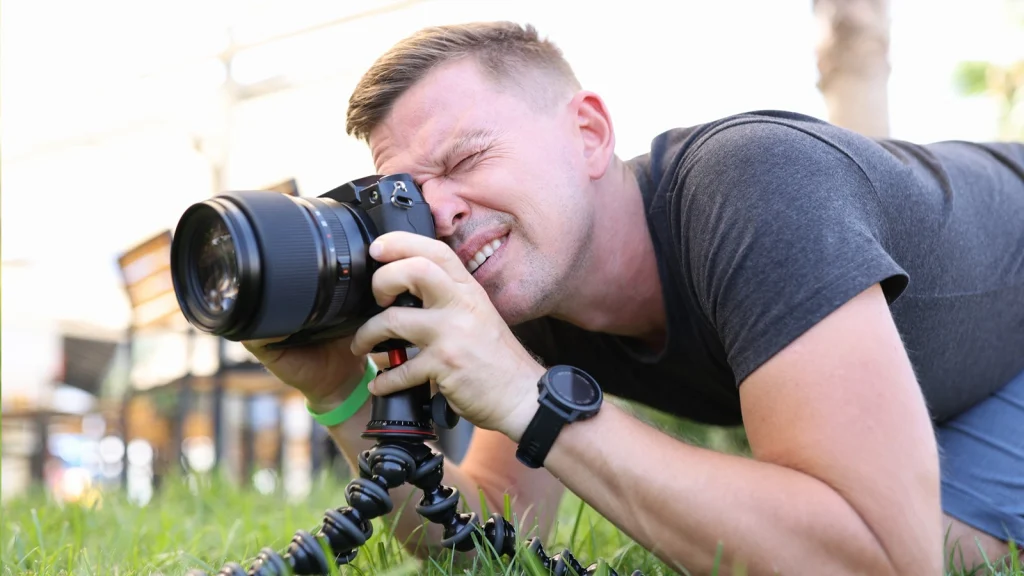
Capturing fast-moving athletes takes more than technical knowledge. You need to make quick decisions, understand how the game unfolds, and work confidently in high-pressure situations.
Developing the right mix of camera techniques, game awareness, and communication skills will help you create stronger images and deliver consistent results, no matter the assignment.
Technical Skills
Technical skills help you control your camera in fast-changing situations. They allow you to react quickly, adjust your settings with confidence, and capture sharp images when the action happens.
Every sports photographer should understand:
- The exposure triangle
- Continuous autofocus (AF-C/AI Servo)
- Subject tracking
- Burst shooting
- Composition
- Timing
Mastering these basics makes it easier to focus on the game rather than on your camera. Once your camera skills become second nature, you can pay more attention to what is happening on the field.
Sport-Specific Knowledge
Sport-specific knowledge helps you predict the action before it happens. Every sport has its own pace, rules, and key moments. Understanding how the game works helps you choose better positions and capture stronger images.
Before photographing a new sport, learn:
- The basic rules
- How the game flows
- Where the action usually happens
- Key player positions
- Common celebration moments
Good preparation often leads to better photos because you’re ready before the decisive moment arrives. The next step is learning how to work confidently with the people around you.
Soft Skills
Soft skills are the personal qualities that help you work well with athletes, coaches, clients, and event organizers. They help you build trust, communicate clearly, and create a professional experience from start to finish.
The most valuable soft skills include:
- Clear communication
- Respect for athletes and officials
- Good time management
- Patience under pressure
- A strong eye for storytelling
These skills help you build long-term relationships and earn repeat work. Clients remember photographers who are reliable and easy to work with, not just those who take great photos.
Technical skills help you control your camera, sport-specific knowledge helps you predict the action, and soft skills help you build a successful photography career.
Now let’s gather some understanding of how to become a sports photographer.
How to Become a Sports Photographer
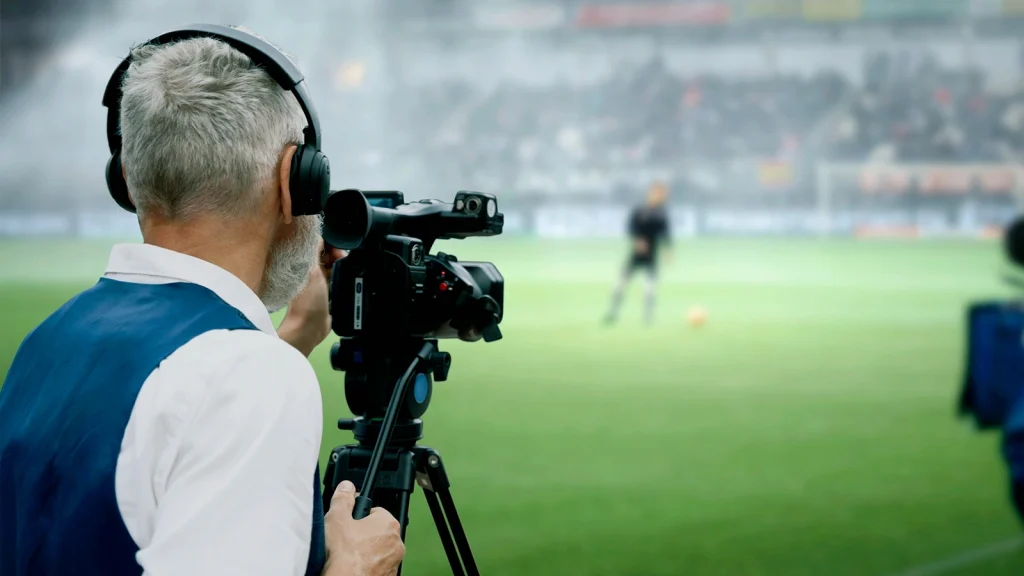
Once you’ve built the right skills, the next step is turning them into real opportunities. Becoming a sports photographer takes more than learning camera settings. You also need practical experience, a strong portfolio, and professional relationships that help you find new opportunities. The steps below will help you build the skills and credibility needed to grow in this field.
Building a Portfolio
Your portfolio is your strongest marketing tool. It should showcase your ability to capture decisive moments, genuine emotion, and a variety of assignments instead of simply displaying your favourite photos.
A strong portfolio should include:
- Peak-action shots
- Team and individual portraits
- Celebration and emotional moments
- Event storytelling
- A consistent editing style
Update your portfolio regularly to reflect your latest and strongest work.
Gaining Access
Before photographing major sporting events, you need opportunities to build experience. Local competitions are the best place to improve your skills, meet people, and create a stronger portfolio.
Start by covering:
- School sports
- Local clubs
- Amateur leagues
- Community tournaments
- Charity sporting events
Each event helps you build confidence and opens the door to larger assignments.
Career Paths
Sports photographers can build their careers in different ways. The right path depends on your interests, experience, and the type of clients you want to work with.
Common career paths include:
- Freelance sports photographer
- Sports media or newspaper photographer
- Photography agency
- Sports club or team photographer
- Brand and commercial photographer
Many photographers combine several of these paths as their careers grow.
Building Access & Trust with Teams and Athletes
Long-term success depends on more than great photos. Teams and athletes prefer photographers who are reliable, respectful, and easy to work with.
Build trust by:
- Arriving early
- Following event rules
- Communicating clearly
- Delivering photos on time
- Staying professional at every event
Strong relationships often lead to repeat work and valuable referrals.
A successful sports photography career is built through experience, a strong portfolio, and the trust you earn along the way.
Trending Sports Photography Angles & Inspiration
As you cover more matches and tournaments, clients will expect more than standard action shots. Teams, brands, and publishers now look for creative perspectives that make each gallery feel more engaging and visually diverse. Mixing different shooting angles helps add depth, emotion, and variety while keeping your work fresh.
Some of the most popular angles include:
1. Low-Angle Shots
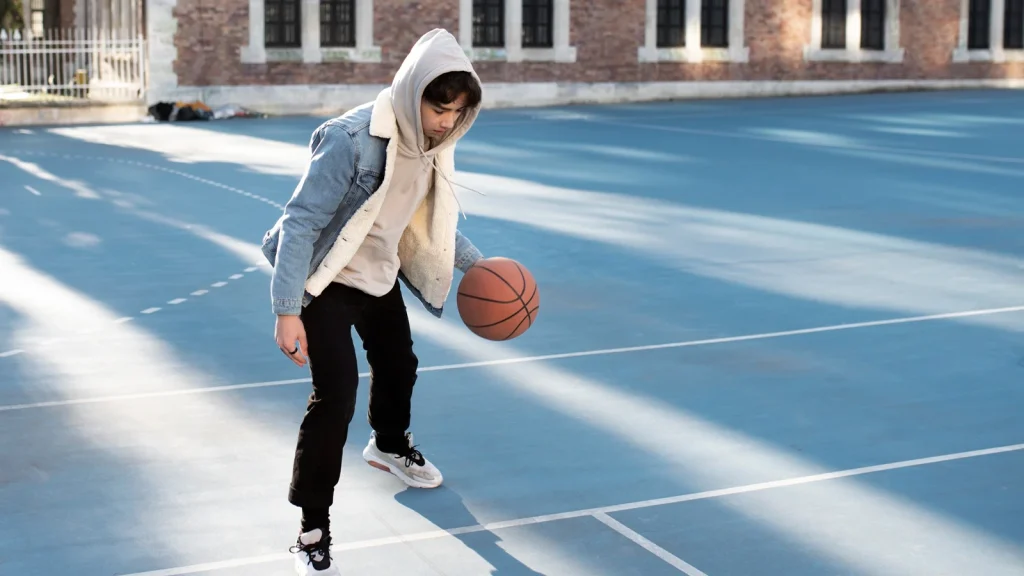
A low shooting angle makes athletes appear taller, stronger, and more dominant. It’s commonly used in football, basketball, rugby, and athletics to create dramatic action photos.
2. Wide Stadium Views
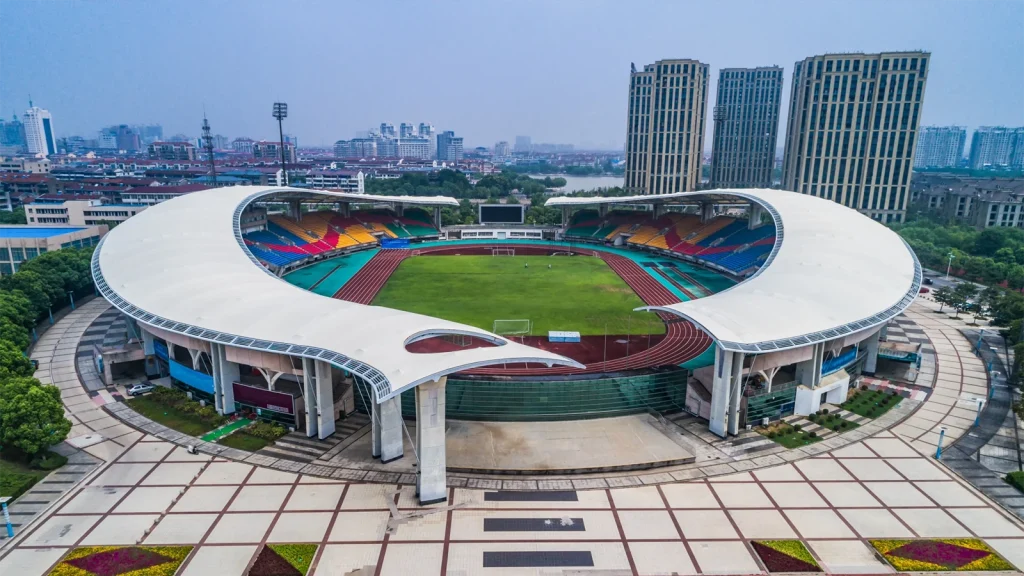
Wide-angle images capture the atmosphere of a sporting event. They show the crowd, venue, lighting, and scale of the competition, making them ideal for editorial stories and event coverage.
3. Close-Up Emotion
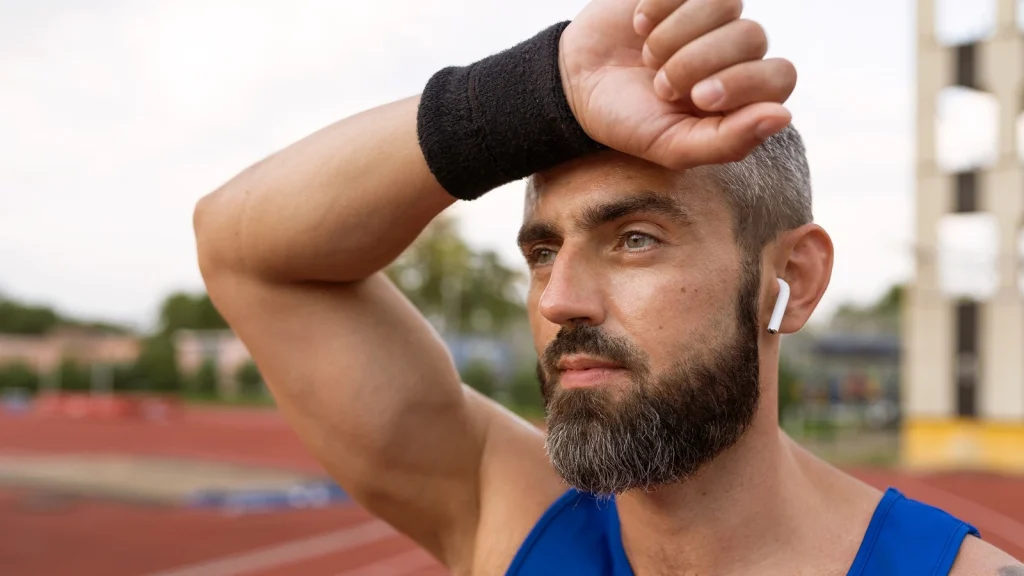
Close-up portraits capture genuine emotions after a goal, victory, or defeat. These images often connect with viewers more than the action itself because they reveal the human side of sport.
4. Behind-the-Scenes Moments
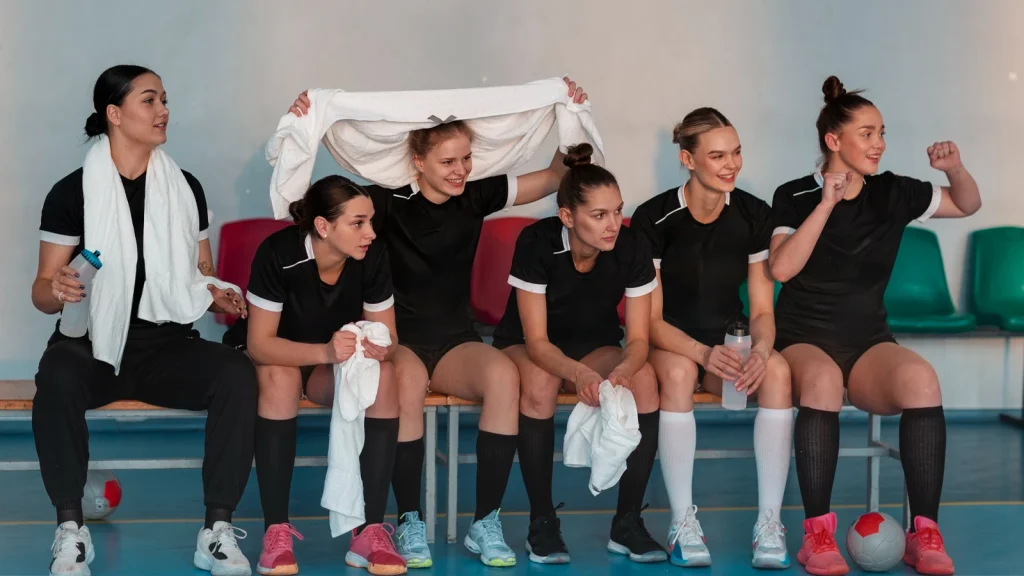
Photograph warm-ups, team talks, and pre-game routines to tell the story beyond the competition. These moments add depth to your gallery and work well for documentaries and social media.
5. Celebration & Fan Reactions
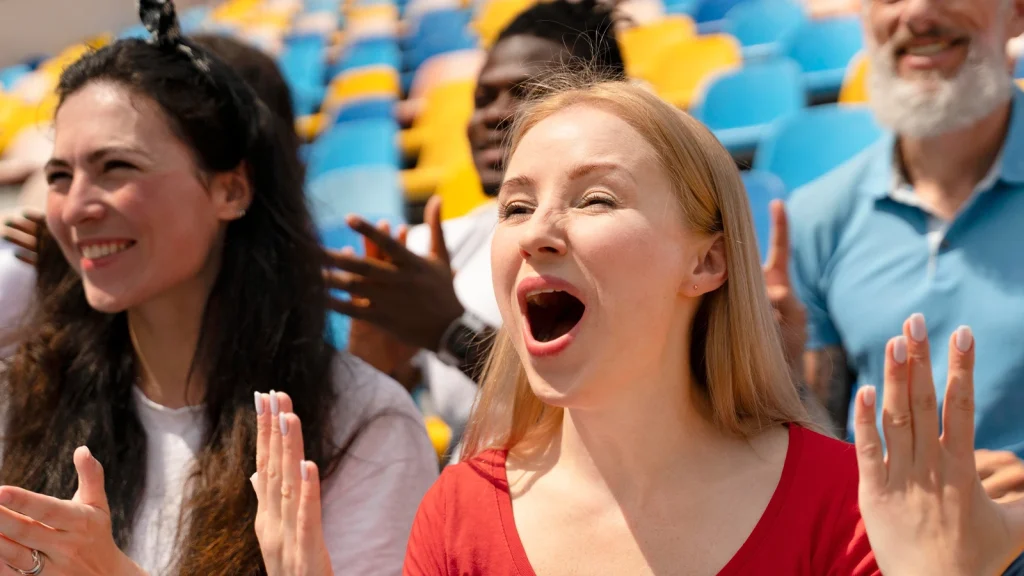
Don’t stop shooting after the final whistle. Player celebrations and fan reactions often become the most memorable images because they capture the emotion of the event.
Don’t choose an angle just because it’s popular. Choose the one that best supports the story you want to tell.
The best sports galleries combine action, emotion, and creative angles to tell a complete story.
What Is a Sports Photography Course?
A sports photography course teaches you how to photograph athletes and live sporting events.
Unlike a general photography course, it focuses on fast action, game awareness, camera settings, and sports photo editing.
The goal is to help you capture better images in real match conditions, not just understand camera basics.
Through this course, you’ll gain an understanding of different formats, such as:
- Sports-specific camera settings
- Autofocus and subject tracking
- Action composition and timing
- Sports photo editing workflow
- Portfolio development
- Working with sports teams and clients
The best sports photography courses prepare you for real sporting events, not just the classroom.
5 Popular Sports Photographers
Studying legendary sports photographers is one of the fastest ways to improve your own work. Instead of simply admiring their photos, learn what made their most famous images so powerful.
Walter Iooss Jr.
Most famous click: The Blue Dunk featuring Michael Jordan and “The Catch” of Dwight Clark.
Why he’s famous: Walter Iooss Jr. spent decades photographing sports legends for Sports Illustrated. His ability to combine action, emotion, and storytelling made him one of the most influential sports photographers of all time.
Bob Martin
Most famous work: Award-winning photographs from multiple Olympic Games, especially gymnastics and athletics, captured from bold and creative angles.
Why he’s famous: Bob Martin transformed sports event photography by using remote cameras, dramatic lighting, and unique perspectives that many photographers now follow.
Most famous work: His underwater swimming photographs and courtside tennis images from the Olympic Games and Grand Slam tournaments.
Simon Bruty
Most famous work: His underwater swimming photographs and courtside tennis images from the Olympic Games and Grand Slam tournaments.
Why he’s famous: Simon Bruty is known for placing cameras where few photographers can, creating immersive images that make viewers feel part of the competition.
Al Bello
Most famous work: Iconic boxing photographs, including dramatic knockout moments and emotional championship celebrations, along with award-winning Olympic coverage.
Why he’s famous: Al Bello built his reputation by consistently capturing decisive moments at the biggest sporting events with exceptional timing.
Dave Black
Most famous work: His dramatic sports portraits created with advanced off-camera lighting techniques, widely featured in photography books and workshops.
Why he’s famous: Dave Black is recognised for revolutionising sports lighting and teaching photographers how to create powerful, commercial-quality sports portraits.
Cost of Sports Photography
There isn’t a fixed price because every assignment is different. A local football match, a youth tournament, and a commercial brand campaign all require different levels of planning, shooting, editing, and image licensing. That’s why most photographers provide a custom quote instead of a standard rate.
Typical services include:
- Event coverage
- Team and individual portraits
- Tournament photography
- Commercial sports campaigns
- Athlete branding sessions
The final price usually depends on:
- Event duration: Longer events require more shooting time.
- Number of edited photos: More images mean more post-production.
- Travel and location: Distant venues increase travel costs.
- Commercial usage rights: Marketing campaigns often require additional licensing.
- Delivery deadline: Rush delivery usually costs more.
Notice how three of these five factors—photo volume, delivery deadline, and consistency across images—come down to editing, not shooting. This is exactly where most photographers lose time and margin. Spending hours in Lightroom or Photoshop after every event cuts into the time you could spend booking your next shoot.
That’s why smart photographers separate their pricing into two parts: the shoot itself and the post-production. Outsourcing the editing means:
- You can quote clients faster, since the editing turnaround is predictable
- You can take on higher-volume events (tournaments, multi-day competitions) without burning out
- Your final images stay consistent in color, tone, and quality, no matter how many hundred shots you deliver
When comparing quotes—whether you’re a client hiring a photographer or a photographer pricing your own services—don’t look at the price alone. Check what’s included, such as editing, image licensing, and delivery turnaround, before making your decision.
Sports photography pricing reflects the complete workflow, from planning and shooting to editing and final delivery. Offshore Clipping handles the second half of that equation, so your pricing stays predictable, and your delivery stays on time.
Edit Your Sports Photos to Perfection with Offshore Clipping
A great captured sports photo deserves a flawless finish. But editing hundreds of action shots takes time. Leave the post-production to Offshore Clipping while you focus on your next game.
Let Offshore Clipping handle post-production while you stay behind the camera.
Our sports photo editing services include:
- Background removal
- Action-shot retouching
- Team photo compositing
- Clipping path services
- Colour correction and consistency
No matter the event, our expert editors deliver fast, consistent, publication-ready sports images so that you can focus on your next shoot.
Sports Photography FAQs
How do I edit sports photos professionally?
Start by selecting your best images and removing any duplicates or blurry shots. Then adjust the exposure, white balance, contrast, and colors to create a consistent look. Apply noise reduction if you shot at a high ISO, sharpen the subject, and crop to improve composition. Finish by exporting the photos in the right format for print, social media, or editorial use. For large events, many photographers outsource sports photo editing to save time and deliver images faster.
What’s the difference between sports photography and action photography?
Sports photography focuses on athletic events, athletes, and the story of a game. Action photography is a broader category that includes any fast-moving subject, such as wildlife, motorsports, concerts, or adventure activities. In short, every sports photo is an action photo, but not every action photo is sports photography.
What camera is best for beginner sports photography?
A beginner should look for a camera with fast autofocus, continuous shooting, and good low-light performance. Many entry-level mirrorless and DSLR cameras offer these features without a premium price tag. As your skills improve, you can always upgrade your equipment, but learning good timing and positioning will have a bigger impact than buying the most expensive camera.
What lens is best for beginner sports photography?
A 70–200mm lens is one of the most versatile choices for beginners because it works well for many indoor and outdoor sports. If your budget is limited, a 55–250mm or 70–300mm zoom lens is also a great place to start. Choose a lens that matches the sport you photograph most often rather than trying to cover every situation.
What camera settings are best for sports photography?
There isn’t one setting that works for every sport, but a good starting point is a shutter speed of 1/1000 second or faster, Continuous AF (AF-C/AI Servo), high-speed continuous shooting, and Auto ISO or an ISO that matches the available light. These settings help freeze fast action while keeping moving athletes in sharp focus.