A few years ago, the idea of creating a realistic image from a text prompt felt like science fiction. Today, tools like Midjourney, DALL-E, and Adobe Firefly make it possible in seconds.
For photographers, this shift feels very real. Clients are exploring AI-generated images, stock photo earnings are declining, and AI headshot services promise professional-looking results without a traditional photoshoot.
So, will photography be replaced by AI?
Not exactly.
While AI can generate impressive images, it can’t replicate every part of photography. It doesn’t build relationships with clients, direct real people, capture once-in-a-lifetime moments, or bring human intuition to a shoot.
Some photography niches will face more disruption than others. But photographers who understand AI and learn how to use it effectively can create new opportunities rather than lose them.
In this article, we’ll explore what AI can do, where it falls short, and what the future of photography may look like.
Will Photography Be Replaced By AI?
No, photography is unlikely to be completely replaced by AI.
However, AI will automate many technical and repetitive aspects of photography, including image editing, retouching, background replacement, and even certain forms of commercial image creation.
The photographers most likely to thrive will be those who combine human creativity, storytelling, and relationship-building with AI-powered workflows.
If artificial intelligence can create stunning images without a camera, then
- What happens to professional photographers?
- Will businesses stop hiring them?
- Will stock photography disappear?
- Is photography becoming another creative profession at risk of automation?
What AI Can Already Do Better Than a Photographer
Before addressing the fear, it’s worth being honest about the capability. AI has become genuinely powerful in several areas of photography and visual content production.
Modern AI systems use deep neural networks, especially diffusion models and generative adversarial networks, to understand and recreate visual structures.
Here are the following sides AI has already overtaken in photography:
1. Speed
AI can process thousands of images in minutes. Tasks that once required hours of manual editing can now be completed almost instantly.
AI can automatically handle tasks such as background removal, color correction, skin retouching, noise reduction, and image enhancement.
Many of these processes can be applied to entire batches of photos simultaneously, dramatically reducing editing time.
2. Volume
AI can generate unlimited image variations without requiring additional shoots.
Modern diffusion models can create new images, backgrounds, lighting setups, compositions, and styles from simple text prompts.
A single concept can quickly be turned into hundreds of variations without booking locations, hiring models, or setting up new shoots.
3. Cost Efficiency
Businesses can create marketing visuals without arranging expensive photoshoots.
AI-generated imagery reduces the need for studios, travel, equipment rentals, models, and extensive post-production work.
This maintains technical credibility while remaining easy to read and focused on the main argument.
4. Repetitive Editing
AI has quietly transformed post-processing. Tools embedded in Adobe Lightroom, Photoshop, Luminar Neo, and Capture One now handle tasks that once required hours of manual work:
- Background removal with a single click
- Sky replacement automatically matching light and color
- Noise reduction that preserves detail better than traditional methods
- Object removal with content-aware fill
- Generative expand — extending images beyond their original borders
- Automated culling — sorting thousands of event photos by quality and expression
The Photography Segments Most Disrupted by AI
Not all photography is equally vulnerable. The segments most at risk share a common trait: they produce commodity visual content where authenticity and human presence are not the primary value.
Stock Photography
Stock photography is experiencing significant disruption from generative AI. Major platforms such as Shutterstock, Adobe Stock, and Getty Images have introduced AI-related products, contributor programs, or submission policies, reflecting the growing role of AI-generated imagery in the stock media ecosystem.
Industry observers note that businesses can now create many generic marketing visuals without traditional photo licensing, increasing competitive pressure on stock photographers.
Photographers who built income streams around generic stock images face real income pressure. This is not speculation; it is already happening.
Product and E-Commerce Photography
AI is rapidly maturing as a solution for product imagery. Platforms like Shopify now integrate AI tools that allow merchants to generate professional product photos against custom backgrounds without a photographer or studio setup.
AI-powered product photography workflows have become one of the fastest-maturing use cases in the industry, adopted by small sellers and large enterprises alike.
For businesses selling commodity products, this represents a genuine cost-saving alternative to hiring a product photographer.
Generic Commercial Imagery
Marketing imagery that is decorative rather than documentary, the kind used to fill website headers, email campaigns, and generic social media posts, is increasingly being generated by AI.
Tools such as Adobe Firefly, Midjourney, and DALL·E allow marketing teams to generate custom visuals on demand, reducing reliance on generic stock photos for many routine design needs.
As AI image generation becomes more accessible, photographers who primarily produce decorative marketing imagery may face growing competition from automated alternatives.
Which Photography Jobs Are Least Likely To Be Replaced by AI?

Photography roles that depend on real-world presence, human interaction, and creative judgment are the least vulnerable to AI disruption.
Skills like composition, lighting, timing, and emotion cannot be fully replicated by AI-generated imagery.
Here is where the conversation becomes more nuanced and more hopeful for photographers who understand their true value.
Wedding and Event Photography
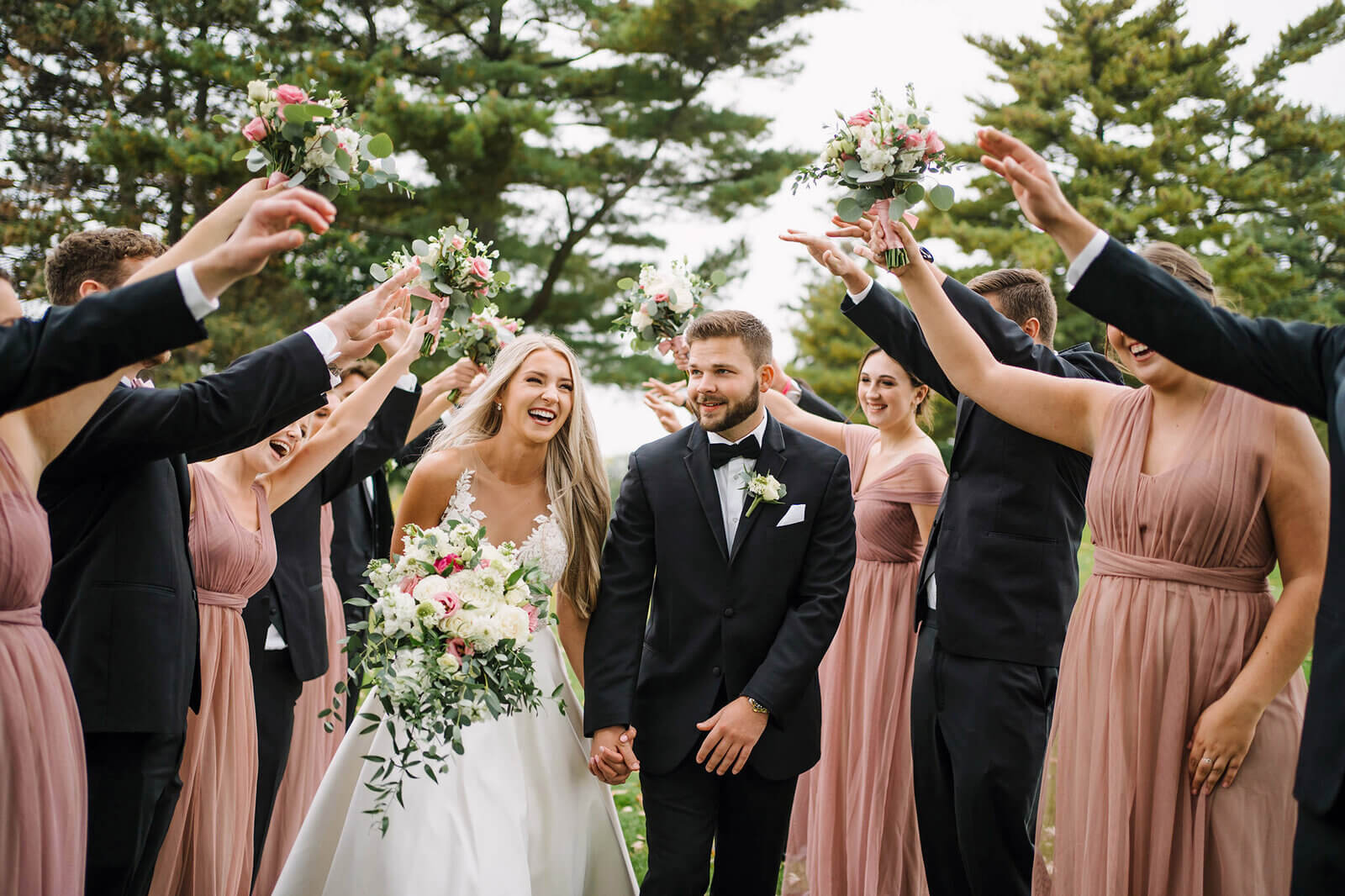
Wedding and event photography is one of the hardest areas for AI to replace. These events happen in real time and require human judgment, adaptability, and emotional awareness.
Key reasons include:
- Capturing once-in-a-lifetime moments
- Reading emotions and anticipating reactions
- Building trust with clients and guests
- Adapting to changing lighting and environments
- Creating authentic, story-driven images
When people hire a wedding or event photographer, they are investing in real experiences, human connection, and memories that cannot be recreated by AI.
Photojournalism and Documentary Photography
Photojournalism and documentary photography rely on one thing above all else: authenticity. These images have value because they capture real people, real events, and real moments as they happen.
Key reasons AI is unlikely to replace this field:
- Documents actual events and experiences
- Requires a photographer to be present on location
- Follows strict journalistic and ethical standards
- Provides credible visual evidence
- Captures context, emotion, and human stories
No matter how realistic AI-generated images become, they cannot serve as verified records of real-world events. That’s why authenticity remains the foundation of documentary and news photography.
Fine Art Photography
Fine art photography is deeply connected to the photographer’s vision, experiences, and creative intent. People often invest in the artist behind the work as much as the image itself.
Key reasons AI is unlikely to replace this field:
- Reflects a unique human perspective
- Expresses personal experiences and emotions
- Builds value through the artist’s identity and reputation
- Involves intentional creative decisions
- Creates meaning beyond visual aesthetics
AI can generate impressive images, but it cannot replicate the personal stories, experiences, and artistic vision that give fine art photography its lasting value.
Portrait Photography with Emotional Depth
Great portrait photography is about more than appearance. It captures personality, emotion, and human connection. The best portraits come from trust and collaboration between the photographer and the subject.
Key reasons AI is unlikely to replace this field:
- Builds genuine connections with subjects
- Captures authentic emotions and expressions
- Reflects personality and character
- Creates a comfortable, guided experience
- Produces meaningful and personal images
AI can generate realistic headshots, but it cannot create the human interaction that helps people relax, express themselves, and reveal who they truly are in front of the camera.
Why Authenticity is a Photographer’s Greatest Strength
As AI-generated images become more common, authenticity is becoming more valuable. People want to know what is real and what is not. For many consumers, genuine photos build more trust than perfectly generated visuals.
This creates an important advantage for photographers. A real photograph captures a real moment, real people, and real experiences. AI can create impressive images, but it cannot document reality.
Why authenticity matters:
- Builds trust with audiences
- Shows real people and real experiences
- Creates stronger emotional connections
- Supports credibility for brands and organizations
- Provides visual proof of actual events
Brands are already feeling this shift. As social media fills with AI-generated content, authentic photography stands out. Consumers increasingly value transparency and want to know when AI has been used to create images.
For photographers, this is a major opportunity. Those who focus on capturing genuine moments, human stories, and real-world experiences offer something AI cannot replicate: authenticity.
The “AI as Tool, Not Replacement” Framework for Photographers
The most useful way to think about AI and photography is not as a binary choice between humans and machines, but as a redefinition of what photographers are for.
The AI Disruption Framework for Photographers:
1. Learn AI
Understanding AI tools is becoming as important as learning editing software. Modern photographers can use AI for image culling, noise reduction, background removal, object cleanup, color correction, and workflow automation. The goal is not to replace creativity but to reduce time spent on repetitive tasks.
2. Focus on Human Value
AI can generate images, but it cannot build relationships or understand human emotions the way photographers can. These qualities often matter more to clients than technical perfection. Strengthen skills AI struggles to replicate:
- Communication
- Empathy
- Creativity
- Leadership
3. Build a Personal Brand
As AI makes image creation more accessible, reputation becomes a stronger competitive advantage. Clients are more likely to hire photographers they trust and connect with.
Focus on:
- A recognizable visual style
- Industry expertise
- Strong client relationships
- Authentic online presence
- Thought leadership in your niche
4. Embrace Efficiency
Use AI to eliminate repetitive tasks and increase profitability. Many photographers already use AI-assisted tools to speed up editing, organize large photo libraries, generate shoot concepts, and streamline post-production workflows.
By combining AI-powered efficiency with human creativity and expertise, photographers can deliver better results while spending more time on high-value creative work.
What the Data Says: Statistics That Tell the Real Story
The numbers surrounding AI and photography are large, but context matters. While AI adoption is accelerating across image creation, editing, and content production, the data show a more complex reality than simple replacement.
Here is the following statistical proof that AI is growing:
- AI image generation market: $2.39 billion in 2024, projected to reach $30 billion by 2033, reflecting enormous commercial adoption
- Photographer employment (US): 51,230 photographers employed in 2024 (Bureau of Labor Statistics), with 1.8% job growth projected through 2034, modest but positive
- Workflow adoption: 65% of professional photographers have integrated AI tools, with editing time reduced by 35% on average
- Stock disruption: 64% of stock platforms report significant increases in AI-generated content; this is the segment most affected
- Consumer sentiment: 62% of consumers are comfortable with brands using generative AI in advertising, but 67% expect transparency about it
- Commercial photography AI adoption: 69% of commercial photographers plan to adopt AI-based workflow automation within the next two years
The pattern across this data is consistent: AI is reshaping the economics of commodity visual content while leaving authentic, relationship-driven, and moment-dependent photography largely unthreatened, at least for now.
How Photographers Are Adapting AI
The photographers succeeding today are not ignoring AI or fearing it. They are learning how to use it to work smarter while focusing on the skills that clients value most.
Integrating AI Into the Workflow
Many photographers now use AI to handle repetitive tasks such as:
- Photo culling and image selection
- Basic retouching and skin cleanup
- Background removal
- Noise reduction
- Color correction
Tools like Adobe Lightroom, Photoshop AI features, Luminar Neo, and Aftershoot help speed up post-production. This gives photographers more time to focus on creativity, client relationships, and capturing meaningful moments.
Specializing in High-Value Niches
As AI generates more generic images, photographers are finding success in areas where human connection matters most, including:
- Wedding photography
- Event photography
- Documentary projects
- Fine art photography
- Personal branding photography
These niches require trust, storytelling, and real-world experience, qualities AI cannot replicate.
Building a Brand Around Authenticity
As AI-generated content becomes more common, authenticity becomes more valuable. People connect with real stories, real emotions, and real experiences.
Photographers can stand out by:
- Capturing genuine moments
- Building trust with clients
- Developing a unique creative style
- Showcasing real people and experiences
- Creating meaningful visual stories
In a world filled with AI-generated images, authenticity remains one of photography’s strongest advantages
Work Smarter With AI-Assisted Professional Editing
AI can speed up your workflow — but getting pixel-perfect results still requires expert hands. Offshore Clipping’s professional photo retouching and color correction service helps photographers and businesses deliver polished, consistent images at scale.
Try 5 Images Free →
How AI Is Changing the Legal and Ethical Landscape of Photography
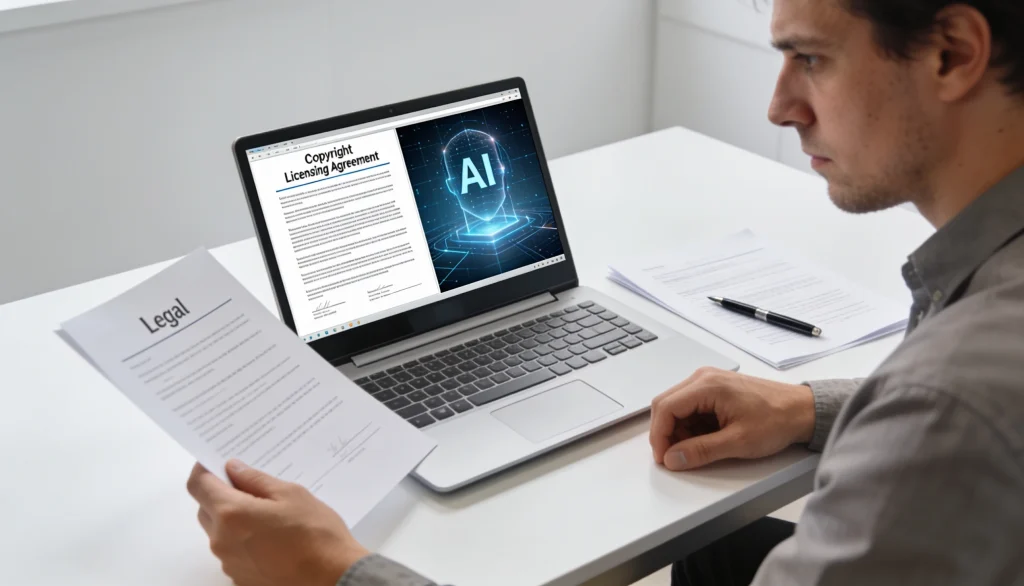
No discussion of AI and photography is complete without addressing the legal landscape, which remains genuinely unsettled.
Copyright and Ownership Issues
One major concern is ownership. In many countries, copyright laws are designed to protect human-created work, making the legal status of fully AI-generated images less clear.
Key considerations include:
- Human-created photos generally have clear copyright protection
- AI-generated images may face ownership and licensing challenges
- Businesses may need to verify usage rights before using AI-generated content
- Copyright laws around AI continue to evolve
Disclosure Expectations
Consumers are becoming more aware of AI-generated content and increasingly value transparency.
Why disclosure matters:
- Builds trust with audiences
- Helps distinguish real photos from AI-generated images
- Supports brand credibility
- Aligns with emerging regulations and industry guidelines
As AI becomes more common, authentic photography offers something many brands and audiences still value: real moments, clear ownership, and genuine visual proof.
Frequently Asked Questions
Can AI generate photos that look real?
Yes, AI image generation tools can now produce images that are, in many cases, indistinguishable from photographs to the average viewer. However, they are fabrications, not documentation of reality. This matters legally, journalistically, and for brands requiring verifiable authenticity.
Is AI better than a photographer?
AI is faster and cheaper for producing commodity imagery. Human photographers are irreplaceable for documenting real moments, building client relationships, creating authentic emotional resonance, and producing work with legal copyright clarity. “Better” depends entirely on the purpose.
What photography jobs are safe from AI?
Photojournalism, wedding and event photography, fine art photography, environmental portraiture, documentary photography, and any work where the primary value is the authentic capture of real reality. The more human presence, relationship, and irreplaceable moments are central to the work, the safer it is.
What is the future of photography with AI?
The future involves a bifurcation: AI handles commodity imagery at scale, while human photography commands a premium for authenticity, emotional depth, and relational work. Photographers who position themselves as documentarians of real life, rather than producers of generic visuals, are well-positioned in this future.
Conclusion
Will photography be replaced by AI? Probably not. But it is changing faster than ever.
AI is already taking over some tasks, especially in stock photography, image editing, and generic commercial visuals. However, it cannot replace the human skills that make great photography valuable: creativity, storytelling, emotional connection, and the ability to capture real moments.
The photographers who succeed in the years ahead will not compete against AI. They will use it as a tool to work more efficiently while focusing on what makes them unique.
At its core, photography is still about people, experiences, and authentic stories. As AI-generated content becomes more common, those qualities may become even more valuable.