

Ecommerce product photography trends in 2026 are moving in two directions at once. Brands want imagery that feels more human, tactile, and believable, while product pages also demand clearer scale, richer detail, motion, and reusable assets for every sales channel.
The strongest trend is not one lighting style or editing preset. It is the shift from a single polished hero image to a complete visual system that helps shoppers notice the product, understand it, trust it, and buy with fewer unanswered questions.
Turn the trend into a repeatable catalogue standard.Offshore Clipping helps ecommerce teams create accurate, consistent, marketplace-ready image sets without slowing down launches. Explore Ecommerce Image Editing Services
Quick Answer
The most influential ecommerce product photography trends are authentic lifestyle scenes, editorial styling, tactile macro detail, cinematic lighting, scale and fit images, customer content, product video, 360-degree views, 3D and AR, and AI-assisted editing with human quality control. Accuracy and consistency remain more valuable than novelty.
Key Takeaways
Authenticity is replacing over-polished perfection in lifestyle and campaign imagery.
Product galleries are becoming decision tools, not collections of attractive angles.
Scale, texture, packaging, and true colour now carry more commercial value than decorative styling alone.
Video, 360-degree spins, 3D, AR, and virtual try-on are expanding where they reduce uncertainty.
AI is speeding up production, but human review still protects colour, texture, edges, and catalogue consistency.
Three Research Signals Behind the Trends
These trends are not only aesthetic. They reflect how shoppers inspect products and how expensive unclear expectations can become. The figures below use different research samples, but together they show why image clarity, scale, and accuracy deserve budget alongside creative styling.
| 19.3%of online sales were estimated to be returned in 2025 | 42%of users try to judge product size from images | 25%of ecommerce sites lack sufficient image resolution or zoom |
The 28 Trends at a Glance
| Trend group | What is changing | Best business outcome |
|---|---|---|
| Visual style, 1 to 10 | More human context, texture, depth, colour, and intentional art direction | Attention and brand distinction |
| Shopping confidence, 11 to 18 | More complete galleries that answer size, material, fit, packaging, and feature questions | Higher confidence and fewer expectation gaps |
| Interactive formats, 19 to 23 | More motion, rotation, 3D, AR, try-on, and multi-format capture | Better product understanding |
| Production systems, 24 to 28 | AI support, human QA, multi-crop libraries, consistent standards, and transparent asset history | Faster, safer catalogue production |
Visual and Styling Trends Defining the 2026 Look
Competitor pages rank this part prominently because it matches the first question behind the keyword: what will product photography look and feel like this year? The following styles are visible across ecommerce campaigns, social assets, collection pages, and selected product detail page images.
1. Authentic Lifestyle Photography Feels Observed, Not Staged
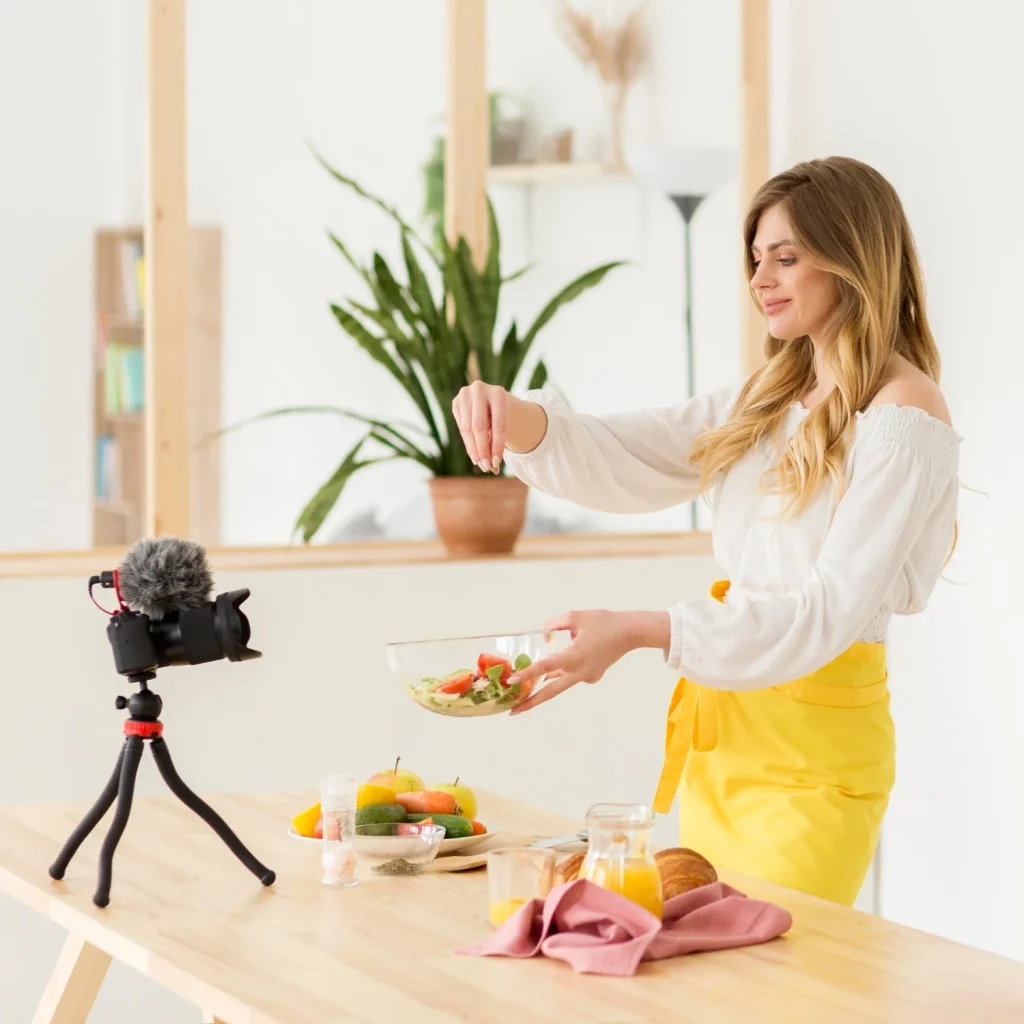
Shoppers are responding to scenes that look lived in rather than assembled around a perfect model. Real homes, natural gestures, believable product use, and ordinary moments help a brand show where the item fits without turning every frame into a glossy advertisement.
The strongest execution still involves control. A professional set can use planned light, styling, and composition while preserving natural posture, small imperfections, and realistic interaction. This trend works especially well for apparel, home goods, wellness, outdoor products, food, and family-focused brands.
2. Editorial Product Storytelling Moves Closer to the Product Page
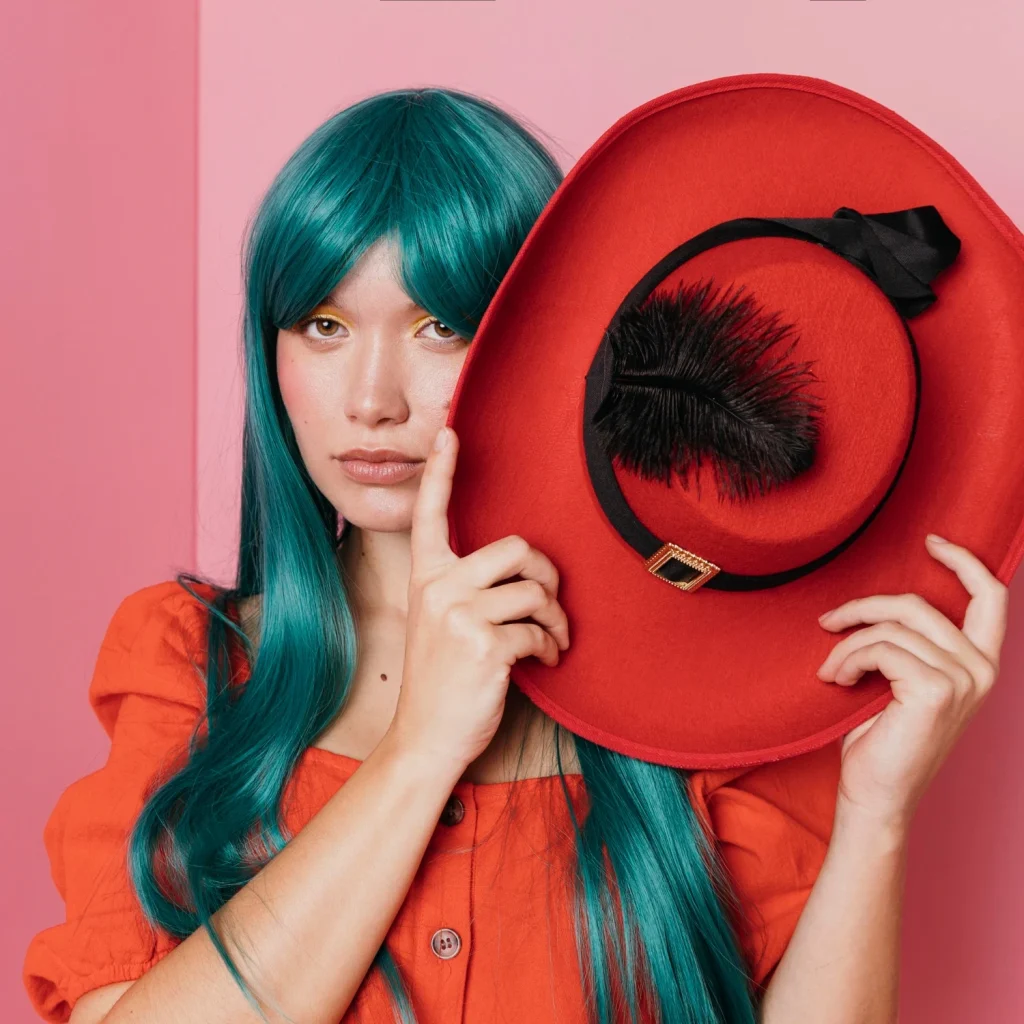
Editorial styling is no longer limited to campaign banners. Ecommerce brands are using selective narrative images inside product galleries to express mood, origin, audience, or use case. The product remains identifiable, but the frame carries a stronger point of view.
Use one or two editorial images after the clear catalogue views, not instead of them. A shopper should first understand the product, then experience the story. Our guide to creative product photography shows how concepts, props, and composition can support that balance.
3. Purposeful Minimalism Replaces Empty White Space

Minimal product photography is becoming more intentional. The frame may still look simple, but colour, shadow, texture, and negative space now guide attention toward a specific feature. The result feels calm and premium without becoming visually blank.
This approach suits luxury accessories, electronics, skincare, technical products, and brand-led catalogue work. It is less effective when the shopper needs scale, fit, or functional context. Background planning should serve the product question, not follow minimalism as a rule.
4. Cinematic Lighting Brings Depth Back to Commercial Images
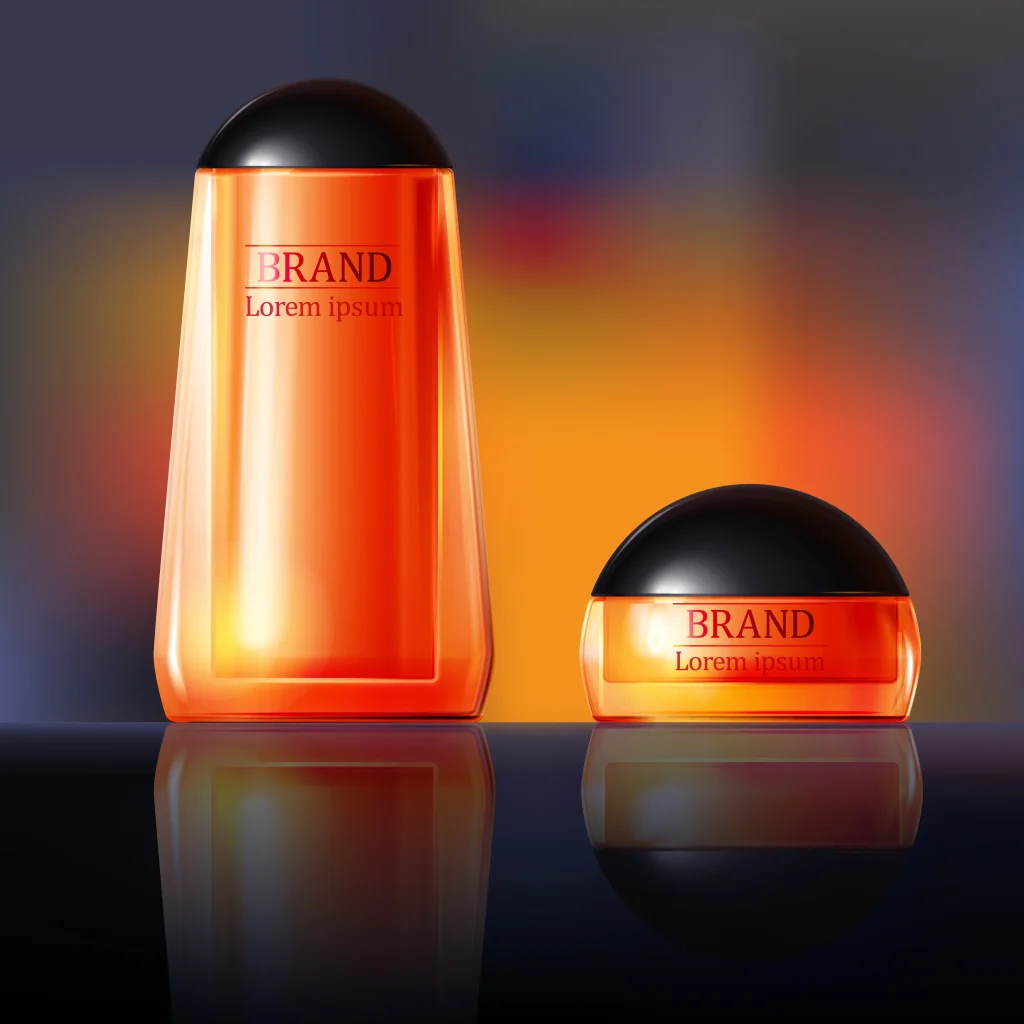
Directional light, controlled falloff, longer shadows, rim light, and selective highlights are replacing flat illumination in campaign photography. These choices create depth and make glass, metal, leather, cosmetics, and technology feel more dimensional on a screen.
Cinematic lighting should remain a supporting style. Marketplace main images still need clarity and compliance, while dramatic frames belong in secondary galleries, ads, social content, and landing pages. The product must remain readable after the mood is added.
5. Tactile Macro Detail Makes Materials Feel Touchable

Macro and close-detail photography is becoming a core ecommerce asset rather than a luxury extra. Shoppers want to inspect fabric weave, stitching, grain, polish, seams, brush texture, ingredients, and craftsmanship before they commit to an item they cannot touch.
The trend is especially valuable for jewellery, watches, apparel, footwear, furniture, skincare, food, and handmade goods. Sharp capture matters, but editing must stay restrained. Invented texture from aggressive sharpening or AI upscaling can misrepresent the product.
6. Warm, Material-Led Styling Counters Sterile Digital Imagery

Warm neutrals, natural surfaces, layered textiles, stone, wood, paper, and organic props are appearing more often in product campaigns. The appeal comes from material contrast and sensory richness, not from adding random rustic objects around the product.
This look works best when the surfaces support the product story. Linen can soften skincare, stone can suggest permanence, and wood can reinforce craft. When the material has no relationship to the product, the trend quickly turns into visual clutter.
7. Bold Colour Blocking and Monochrome Sets Create Feed Impact

Brands are using saturated blocks, close colour matches, and tonal backgrounds to stop the scroll. A product placed inside a controlled colour world can feel graphic, modern, and instantly recognizable across campaigns, collection headers, and social commerce assets.
Colour accuracy still comes first. A monochrome scene should not change the apparent shade or finish of the item. Keep a neutral reference image in the gallery so the creative frame adds emotion without becoming the shopper’s only colour reference.
8. Modern Flat Lays Add Height, Shadow, and Off-Axis Perspective

Flat lay photography remains efficient for showing product groups, kits, ingredients, and coordinated collections. The refreshed version is less rigid. Slight camera angles, raised platforms, layered surfaces, soft shadows, and overlapping elements create depth without losing the clear top-down logic.
Planning matters more than decoration. Place the primary item first, then build a visual path with secondary objects. For a deeper production guide, see our flat lay product photography article before turning this style into a repeatable catalogue setup.
9. Nostalgic Treatments Become More Specific And Researched

Film grain, flash, faded colour, vintage props, and period references continue to appear, but generic retro filters are losing credibility. Strong work now points to a recognizable decade, subculture, camera language, or printed-media reference instead of using nostalgia as a vague effect.
This trend suits fashion, music, youth culture, collectables, and limited campaigns. It is risky for core product images because grain, colour shifts, and flare can hide details. Keep the treatment on storytelling assets and preserve accurate catalogue views beside it.
10. The Natural-Light Look Becomes Carefully Engineered

Soft window light remains popular because it feels calm and approachable. In commercial production, however, the look is often created with large diffusion, flags, bounce, and controlled exposure so every SKU receives the same gentle direction and shadow quality.
That distinction matters at scale. Uncontrolled daylight changes by the minute, while an engineered setup can be repeated across a catalogue. Brands get the visual warmth of natural light without accepting inconsistent colour, contrast, or delivery.
Creative scenes still need believable light, scale, and edges.Image manipulation works best when the composite supports the product rather than changing what customers expect to receive. Explore Image Manipulation Services
Trends That Help Shoppers Understand and Trust the Product
The next group is less fashionable but more valuable. These ecommerce product photography trends reduce uncertainty by answering the practical questions a shopper would normally resolve by holding, wearing, opening, or comparing the product in a physical store.
11. Product Image Systems Replace the Single Hero Shot

A strong product page now needs a planned sequence: a clean hero, alternate angles, detail views, scale, context, packaging, and motion where useful. Each image has a job. Repeating nearly identical angles does not create a complete gallery.
Build the sequence around buying questions rather than a fixed image count. Our product photography guide explains the core shot types, but the exact mix should change by category, price, complexity, and return risk.
12. Scale and Fit Images Become Standard Evidence

Scale images show the product beside a familiar object, inside a room, in a hand, or on a model. Baymard Institute found that 42% of users try to judge product size from images, which makes scale a conversion and expectation-setting issue.
Apparel and accessories need body-based references. Furniture needs room context and dimensions. Jewellery needs wrist, ear, neck, or hand scale. A measurement graphic can support the reference, but it should not replace a believable real-world view.
13. True Colour Becomes a Visible Brand Promise
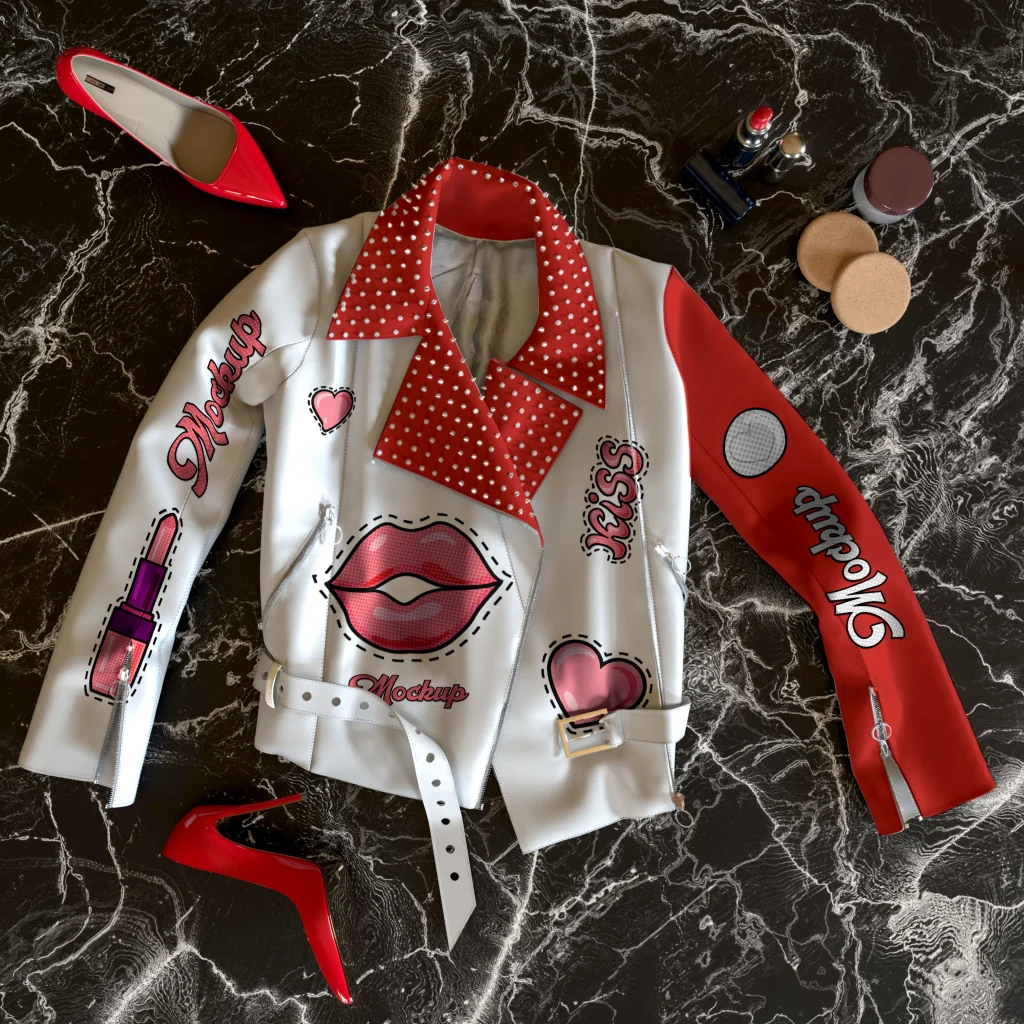
Colour correction is moving from a behind-the-scenes task to an explicit trust standard. Beauty, apparel, furniture, paint, textiles, and food brands lose credibility when the same variant changes between the hero image, close-up, video, and customer gallery.
Calibrated displays, fixed white balance, controlled lighting, and consistent profiles remain essential. Professional color correction should match the product sample and preserve variation where the material naturally reflects light differently across angles.
14. Texture Honesty Becomes More Important than Perfect Surfaces

Ecommerce retouching used to remove almost every crease, pore, grain, or small variation. The current direction is more selective. Shoppers want clean images, but they also want to understand whether a surface is matte, brushed, woven, soft, glossy, handmade, or naturally irregular.
Retouch dust, temporary damage, and production distractions without deleting material character. This is where a skilled editor earns trust. The goal is not to make the product flawless. It is to make the photograph accurate, clear, and commercially presentable.
15. Packaging and Unboxing Images Join the Standard Gallery

Customers increasingly care about what arrives, not only what the product looks like outside the box. Packaging photographs can show quantity, included parts, accessories, refill size, safety seals, storage, gift presentation, and the difference between a product-only image and the full order.
This trend is valuable for beauty, electronics, subscription boxes, tools, food, gifts, and products with multiple components. A clear packaging frame can prevent disappointment that a polished lifestyle image cannot address.
16. Customer and Creator Imagery Moves onto Product Pages
User-generated content gives shoppers a less controlled reference for fit, scale, colour, and real-world use. Creator images add styling ideas and audience relevance. Both formats work best when they complement studio assets rather than contradicting them.
Curate for clarity, consent, and product accuracy. Light exposure and colour balancing may improve consistency, but heavy reshaping or retouching removes the proof shoppers are seeking. Our Instagram product photography ideas can help brands plan sourceable, platform-friendly visual prompts.
17. Mobile and Thumbnail-First Composition Becomes the Default Brief
A hero image may be judged first as a small tile, not a full product page photograph. Tighter product-to-frame ratios, clean silhouettes, simple backgrounds, and fewer tiny props improve recognition in marketplace results, collection grids, ads, and mobile recommendations.
Test every hero at its real display size. If the category, variant, or key feature disappears at thumbnail scale, the composition needs adjustment. The full-resolution file can be beautiful and still fail the first commercial test.
18. Product Infographics Explain Features Inside the Gallery
Dimension overlays, feature callouts, material labels, comparison frames, and annotated details are becoming normal product-gallery assets. They reduce the gap between visual evidence and technical specifications, especially for electronics, tools, furniture, automotive parts, and multi-piece products.
Keep the graphic easy to scan and accessible. Do not place every specification inside one crowded image. One message per frame is usually stronger, and important text should also exist as selectable page content for screen readers and search systems.
Why Accuracy Deserves More Budget in 2026
The National Retail Federation and Happy Returns projected $849.9 billion in US retail returns for 2025 and estimated that 19.3% of online sales would be returned. The report does not assign a fixed share to photography, so brands should measure image-related return reasons at SKU level instead of making broad claims.
A useful warning sign is a conversion lift followed by a return-rate increase. That result means the new images persuaded more people but may have created less accurate expectations. Strong ecommerce photography should improve the sale without weakening the truth of the product.
Interactive and Motion Trends Expanding the Product Experience
Static photographs remain essential, but they cannot explain every movement, function, fit, or spatial relationship. Interactive formats are growing where they answer a real product question. They are less valuable when they simply repeat information already clear in the still gallery.
19. Short Product Video Becomes a Standard Secondary Asset
Short clips can demonstrate texture, movement, controls, assembly, drape, scale, sound, or before-and-after use faster than a long image sequence. Ecommerce teams are favouring concise, silent-friendly videos that begin with the product already visible.
The strongest clips answer one question each. A rotating bottle, opening bag, flexing shoe, pouring liquid, or operating tool can be more useful than a cinematic brand film. Keep colour temperature and finish consistent with the still photographs.
20. Micro-Motion and Cinemagraph-Style Loops Add Attention Without Distraction
Small movements such as steam, a turning dial, moving fabric, pouring liquid, light passing across metal, or a slow hand interaction can make a product feel active while preserving the clarity of a still composition.
Use micro-motion where movement reveals a feature or sensory quality. Endless decorative animation can slow the page and compete with the product. A short, clean loop should add understanding in a few seconds, not require the shopper to wait for the point.
21. 360-Degree Spins Become Category-Specific Standards
A 360-degree product view is most useful when shape, construction, ports, fastenings, heel profile, hardware, or rear detail influences the decision. It is increasingly common for footwear, furniture, jewellery, watches, tools, and technical equipment.
Do not fund spins across every SKU without testing. Low-ticket consumables and simple flat products may gain little. Start with high-consideration or high-return items, then compare engagement, conversion, and support questions before expanding production.
22. 3d and Augmented Reality Focus on Spatial Confidence
3D models and AR placement are moving beyond novelty in furniture, home decor, eyewear, footwear, and products where size or shape is difficult to imagine. Their value comes from helping a shopper evaluate space, proportion, viewing angle, or configuration.
The base asset must still be accurate. Incorrect dimensions, materials, or colour inside a 3D model can create more uncertainty, not less. Treat 3D production as product data work as well as visual work, with clear validation against the physical item.
23. Virtual Try-On Expands where Fit And Shade Drive Hesitation
Virtual try-on is growing in apparel, eyewear, beauty, accessories, and footwear because those categories carry personal fit or appearance questions. The format can support discovery and comparison, especially when shoppers can move quickly between variants.
It should support, not replace, clear model photography, swatches, measurements, and fit guidance. A simulated result depends on inputs and may not represent every body, skin tone, lighting condition, or device display with equal accuracy.
Production Trends that Make Large Catalogues Possible
The final group should support the photography discussion rather than lead it. These shifts determine whether a brand can reproduce the selected look across hundreds or thousands of products without losing colour, edges, proportions, delivery speed, or platform compliance.
24. Stills and Video are Captured in the Same Session
Brands are planning stills, short clips, vertical crops, and detail motion from one production setup. This reduces repeated styling, lighting, sample handling, and approvals while keeping the product appearance consistent across the product page, ads, email, and social channels.
The shot list must identify which moments need continuous motion and which need maximum still-image resolution. A combined shoot saves time only when the crew plans framing, shutter, light, orientation, and product handling for both outputs.
25. Ai-Assisted Editing Grows, with Human Qa Protecting Product Truth
AI is increasingly useful for first-pass background removal, masking suggestions, dust cleanup, resizing, variant preparation, and repetitive file handling. Human editors remain responsible for difficult edges, transparent materials, accurate shadows, texture, colour, and consistency across the full product set.
The main failure is not always obvious in one image. It appears when a catalogue grid shows different product sizes, whites, shadows, crops, or edge quality.
You can check our full list of ChatGPT photo editing prompts for better AI-assisted photo editing.
26. Multi-Crop Image Libraries Replace Last-Minute Resizing
One master composition rarely works across marketplaces, product pages, paid social, vertical stories, email, and display ads. Brands are leaving deliberate crop space and capturing alternate orientations during the shoot instead of forcing every channel from one tightly framed file.
A useful library includes clean masters, channel crops, transparent cutouts, detail crops, and approved lifestyle variants. Clear naming and version control prevent the wrong colour, old packaging, or unapproved retouch from reappearing months later.
27. Catalogue Consistency Becomes the Central Quality Target
The strongest catalogue is not the one with a single spectacular image. It is the one where product scale, crop, white point, shadow, angle, and retouching remain predictable across every SKU. Consistency helps shoppers compare products without visual noise.
Lock decisions in a visual style guide before the next batch. Define lighting, angles, crop ratios, shadow type, background value, edge standard, colour reference, and acceptable retouching. Product photo retouching becomes faster when those decisions are not reopened for each file.
28. Machine-Ready Delivery and Provenance Enter the Photography Brief
The delivered asset now needs to be clear to shoppers and usable by platforms. Google recommends crawlable image URLs, descriptive filenames, relevant surrounding text, alt text, and structured data where appropriate. These practices improve understanding and eligibility, but they do not replace strong photography.
AI provenance is also becoming a workflow issue. C2PA provides the open technical standard behind Content Credentials, while EU AI Act Article 50 transparency obligations apply from August 2, 2026. Brands using generated or materially altered imagery should document tools, approvals, and disclosure requirements.
Which Trends Should Your Product Category Fund First?
A trend becomes useful when it resolves a category-specific buying question. The table below prioritizes the formats most likely to reduce uncertainty. It also identifies styles that can wait when the budget must first cover clear product evidence.
| Category | Fund first | Use selectively or defer |
|---|---|---|
| Apparel and footwear | Model fit, scale, ghost mannequin, texture, movement, accurate variants | Heavy colour treatments on core catalogue views |
| Jewellery and watches | Macro detail, reflection control, on-body scale, 360-degree spin | Lifestyle-only galleries with no technical detail |
| Furniture and home decor | Room scale, dimensions, material close-ups, 3D or AR for key items | Flat lays that cannot communicate volume |
| Beauty and skincare | Swatches, texture, true colour, packaging, try-on where supported | Filters that change shade or skin response |
| Food and beverage | Packaging, ingredients, serving context, tactile detail, short motion | 360-degree views with no practical value |
| Electronics and tools | Ports, controls, included parts, dimensions, demonstration video | Creative sets that hide functional details |
| Outdoor and sports | In-use context, durability detail, human scale, movement | Studio-only galleries that omit real use |
| Automotive parts | Fitment, labels, installed context, dimensions, rotation where useful | Lifestyle styling that hides mounting information |
| Pet products | Scale with the intended animal, use clips, material and durability details | Cinematic shadows that hide construction |
| Handmade products | Material detail, process story, expected variation, packaging, UGC | Heavy retouching that removes natural character |
Four Trends to Approach Carefully
1. Fully synthetic main listing images. They can introduce shape, colour, packaging, disclosure, and marketplace-compliance risks at the same time. Generated lifestyle concepts are safer when a real product reference remains available.
2. Aggressive AI sharpening on fabric, matte, brushed, or grainy surfaces. The tool may invent detail that was never captured, creating a product texture the customer will not receive.
3. AI background replacement with mismatched light. Direction, softness, colour temperature, reflection, and contact shadow must agree with the original product before the composite feels believable.
4. One fashionable treatment across the entire catalogue. Trends are easier to refresh in campaigns than in thousands of product detail page assets. Keep the core system accurate and use style selectively.
How to Choose Trends Without Wasting Budget
Start with the buying decision, not the mood board. A trend should improve attention, understanding, trust, or production efficiency. When it does not serve one of those outcomes, it belongs in a campaign test rather than a catalogue-wide rollout.
1. Identify the unanswered question. Review customer support messages, returns, reviews, and product-page behaviour to find where shoppers hesitate.
2. Match the format to the question. Use scale for size, macro for material, video for movement, and AR for spatial fit.
3. Test a controlled SKU group. Choose products with comparable traffic and enough conversion or return data to measure change.
4. Write the winning standard down. Capture the lighting, angles, crops, retouching, exports, and QA checks before the next batch begins.
How to Measure a Product Photography Refresh
Set the baseline before replacing any images. Otherwise, seasonal demand, pricing, inventory, promotions, reviews, and traffic changes can hide the result. A controlled SKU test gives the team a more defensible view than comparing the whole site before and after.
| Metric | What it reveals | Warning sign |
|---|---|---|
| Product-page conversion rate | Whether the visual set helps close the purchase | Lift appears only on heavily discounted traffic |
| Add-to-cart rate | Whether shoppers understand enough to show intent | More adds but no checkout improvement |
| Image interaction | Which frames, zooms, videos, or spins shoppers use | High use because key details are hard to find elsewhere |
| Return rate by SKU and reason | Whether expectations match the delivered item | Conversion rises while colour, fit, or size returns also rise |
| Support questions | Which details the gallery still fails to explain | The same size, compatibility, or packaging question persists |
| Revenue per visitor | The combined commercial effect of conversion and order value | Growth depends on unrelated pricing or promotion changes |
Your 2026 Ecommerce Product Photography Checklist
- Hero image: clear at thumbnail size, accurate in colour, clean at high zoom, and compliant with the destination platform.
- Angle coverage: front, back, sides, three-quarter, openings, controls, and hidden features where relevant.
- Material proof: close detail that shows texture, finish, construction, and realistic variation.
- Scale and fit: at least one model, room, hand, familiar object, or dimension reference where size matters.
- Context: one lifestyle or use image that explains where and how the product belongs.
- Packaging: what arrives, how much is included, and which accessories or components come with it.
- Motion: a short clip, micro-motion loop, spin, or demonstration for products that move or function.
- Consistency: fixed crop, scale, white point, shadow, angle, and retouching across the catalogue.
- Delivery: correct crops, modern web formats, responsive sizes, descriptive filenames, alt text, and crawlable URLs.
- Governance: AI use documented, approvals recorded, and provenance or disclosure requirements checked before publication.
Marketplace rules can override visual trends. Before preparing a main listing image, confirm the destination platform’s current requirements. Offshore Clipping maintains a practical guide to Amazon image requirements for sellers working on Amazon-specific assets.
What Ecommerce Product Photography Looks Like Beyond 2026
The next phase will likely make product imagery more adaptive. A shopper may see a different crop, context image, model, language, demonstration, or comparison frame based on device, location, stated need, or the stage of the buying journey.
Multimodal search will also make image completeness more valuable. Shoppers can combine a photograph, spoken request, text constraint, and visual preference. Brands with accurate variants, clear product identity, consistent files, and well-described assets will be easier for these systems to interpret.
Agent-assisted shopping raises the same requirement. A system choosing between products needs dependable product information and visuals that agree with the listing. The future may feel more automated, but it rewards the same foundation: accurate, complete, consistent product imagery.
FAQs
What are the Biggest Ecommerce Product Photography Trends in 2026?
Authentic lifestyle imagery, editorial storytelling, macro texture, purposeful minimalism, cinematic lighting, scale and fit images, customer content, short product video, 360-degree views, 3D, AR, virtual try-on, and AI-assisted editing are leading the change. Complete product image systems matter more than isolated creative shots.
Do White Background Product Photos Still Work?
Yes. White background images remain essential for many marketplace main images and for clean product comparison. The change is that they now sit inside a broader gallery with detail, scale, packaging, lifestyle, infographic, and motion assets. White has not disappeared, but it is rarely enough by itself.
Should Every Product Have Lifestyle Photography?
No. Lifestyle images earn their place when context helps the buying decision. Apparel, furniture, outdoor products, food, and wellness items usually benefit. Simple hardware may need installed context or close technical detail instead. Choose the image type that answers the product question, not the trendiest style.
Can Ai-Generated Product Images be Used For Ecommerce?
They can support concepts, backgrounds, localization, or campaign variations when product accuracy is protected. Fully synthetic main listing images carry greater risk because shape, colour, texture, packaging, or included features may change. Check platform rules and disclosure obligations before publishing materially generated assets.
How Many Product Images Should an Ecommerce Page Use?
There is no universal number. Coverage matters more than count. The gallery should show the clean product, important angles, details, scale, packaging, and use context. Add video, spin, 3D, or graphics only when they explain something the existing images cannot show clearly.
Is 360-Degree Product Photography Worth the Cost?
It is most valuable for products where rear construction, shape, hardware, controls, or rotation affects the decision. Furniture, footwear, jewellery, watches, tools, and equipment are strong candidates. Test high-value or high-return SKUs first before paying to create spins across the full catalogue.
What Image Format is Best for Ecommerce Product Photos?
Keep a high-quality master file for editing and export delivery versions for each platform. WebP and AVIF can reduce web file size, while JPEG remains widely supported. The best choice depends on browser support, transparency needs, product detail, compression settings, and the ecommerce platform’s image pipeline.
Can Better Product Photography Reduce Returns?
It can reduce expectation-related returns by showing accurate colour, texture, scale, fit, packaging, and included parts. Photography cannot fix poor sizing, product defects, or inaccurate descriptions. Track return reasons by SKU so the team can identify which visual gaps are genuinely contributing to the problem.
How Often Should Ecommerce Product Images be Updated?
Review images when packaging, materials, colour, fit, included components, or platform requirements change. Also audit high-traffic, high-return, and low-converting SKUs regularly. A yearly catalogue review is useful, but business signals should trigger updates sooner when the current gallery no longer represents the product.
How Should a Small Brand Choose Which Trends to Try First?
Fund the images that remove the largest buying uncertainty. Start with a clear hero, useful angles, scale, material detail, and accurate colour. Add lifestyle, video, 360, 3D, or AR only where they answer a specific question or support a channel that already drives meaningful sales.
Conclusion
The ecommerce product photography trends worth following in 2026 do more than make a feed look current. They help shoppers recognise the product, understand its scale and material, see it in use, compare it confidently, and receive something that matches the visual promise.
Start with a complete, accurate image system. Then use editorial styling, motion, AI, 360-degree views, 3D, or AR where the product and customer genuinely benefit. Trends should strengthen product truth, not compete with it.