

Northline Apparel is a direct-to-consumer womenswear brand known for elevated essentials — silk blouses, tailored trousers, lightweight knitwear, and relaxed denim. The brand sells through its own Shopify store, Anthropologie, and a short list of curated boutiques across the US and Canada. Amelia built the label to compete on fit and fabric, and that meant the product photography had to show both — cleanly, consistently, and across every single SKU.
Story Behind the Brand
Amelia launched Northline Apparel in 2020 after eight years as a senior merchandiser for a major US specialty retailer. She had seen too many well-made garments fail online because the product photos flattened the fabric, showed obvious mannequin shadows, or looked like three different brands across one collection page. She wanted a label where every blouse, every trouser, every knit top felt like it belonged to the same story.
The first year she shot on a hired mannequin setup in a rented Austin studio and edited the files herself. By year two, the catalog had grown past 350 SKUs and she could no longer keep up. She tried two offshore agencies and one US retoucher. The first missed deadlines, the second returned work with visible neck seams, and the third was too expensive to scale.
In 2022, a studio photographer she worked with recommended Offshore Clipping. Amelia sent two test blouses. The samples came back inside the agreed window — invisible joins, matched inner-neck fabric, consistent shadow. She moved her full catalog over within the month.
What Amelia Needed From Our Ghost Mannequin Team
- A single, consistent silhouette across the full catalog. Northline Apparel shoots across three mannequin forms depending on garment weight. Amelia needed every finished image to look like one form, one shape, one shadow.
- Hand-rebuilt neck and sleeve joints that pass a buyer’s eye. With wholesale accounts at Anthropologie, visible seams or pasted-on collars were a non-starter. Every join had to match fabric color, texture, and weave by hand.
- Bi-weekly capacity for 240+ SKUs, with turnaround that fits a tight launch calendar. Northline Apparel ships new product every other Friday. Amelia needed a workflow that absorbs 240+ SKUs a week and returns finished files inside 42 hours — without fail.
The Challenge: Scaling Quality to 240+ SKUs Every Week
- Every garment weight behaves differently. A silk blouse drapes, a tailored blazer stands, a merino knit clings. One template could not solve all three, and inconsistent silhouettes would break the catalog grid.
- Repeat SKUs could not shift between seasons. Many Northline Apparel pieces are year-round core styles. If a reorder came back with even a slightly different shadow or neckline angle, the product-detail-page images would clash with the earlier shoot.
- The 42-hour window had to hold on every batch. With bi-weekly Friday drops, the turnaround could not slip — even when a weekly batch crossed 320 SKUs during seasonal launches.
How We Kept Ghost Mannequin Editing Reliable for Northline Apparel
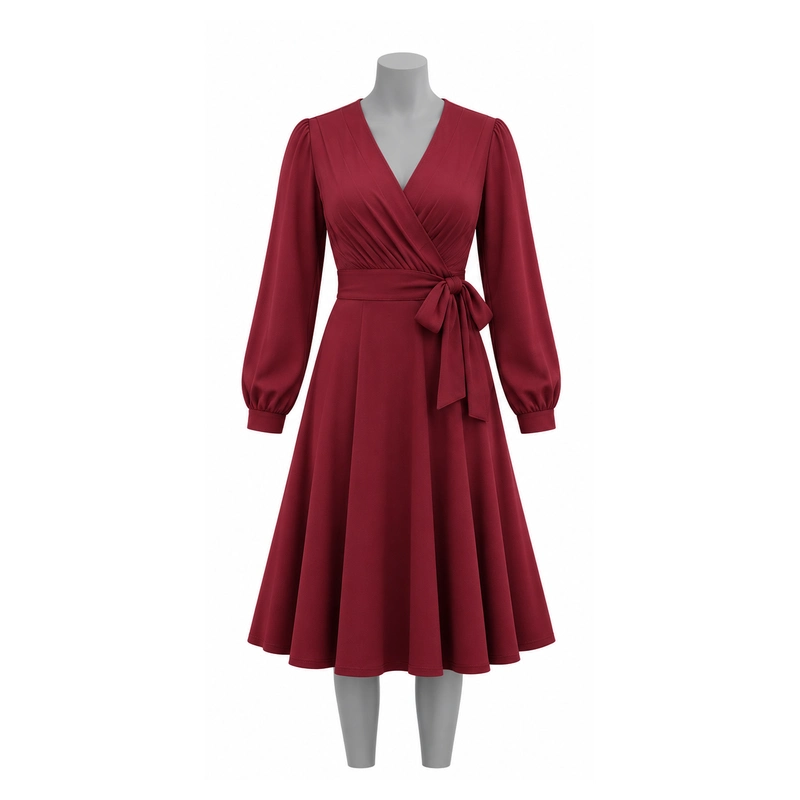
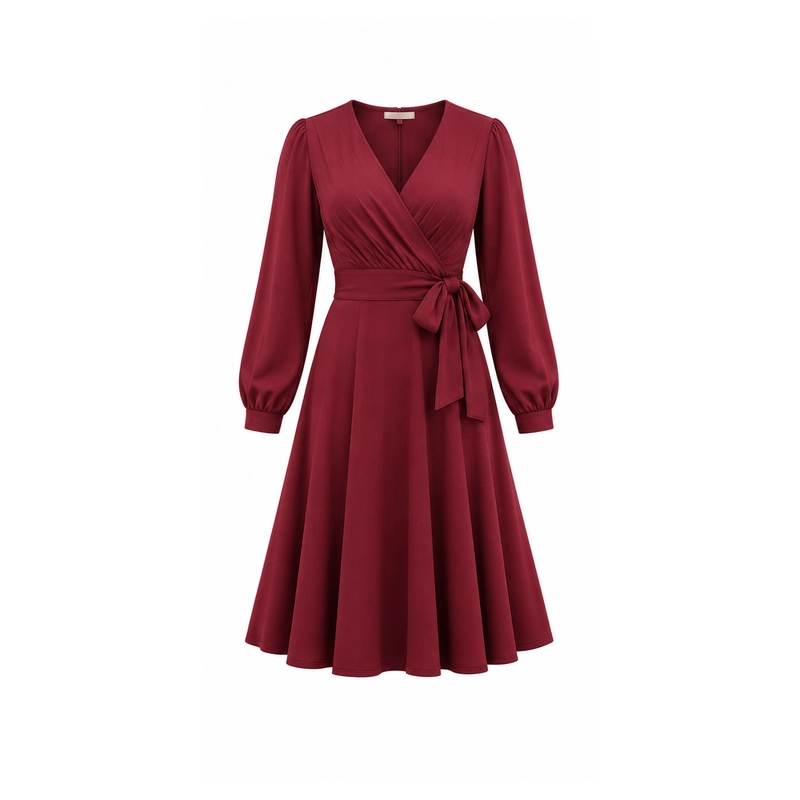
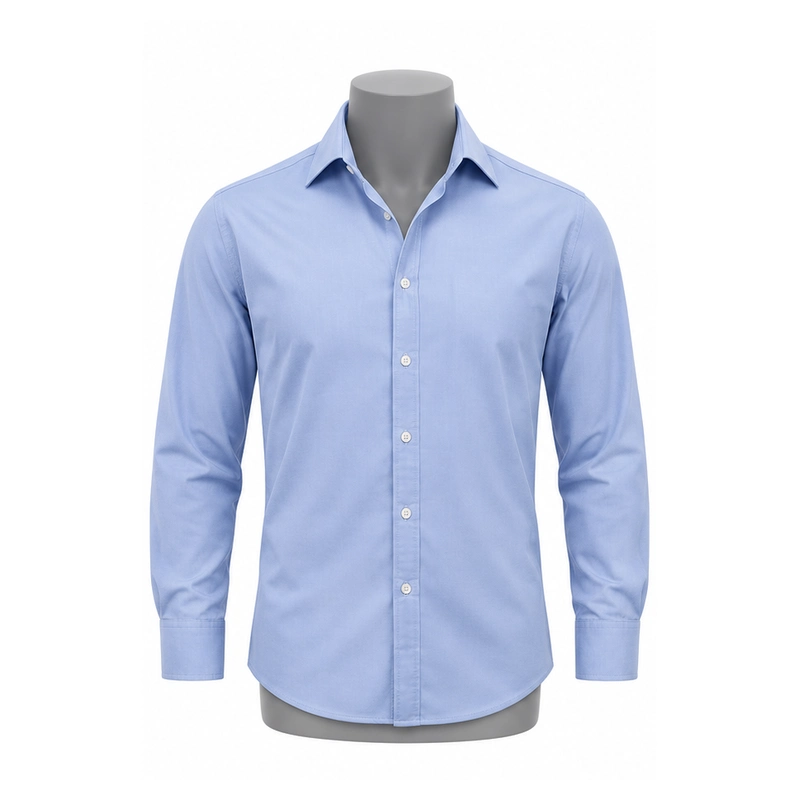
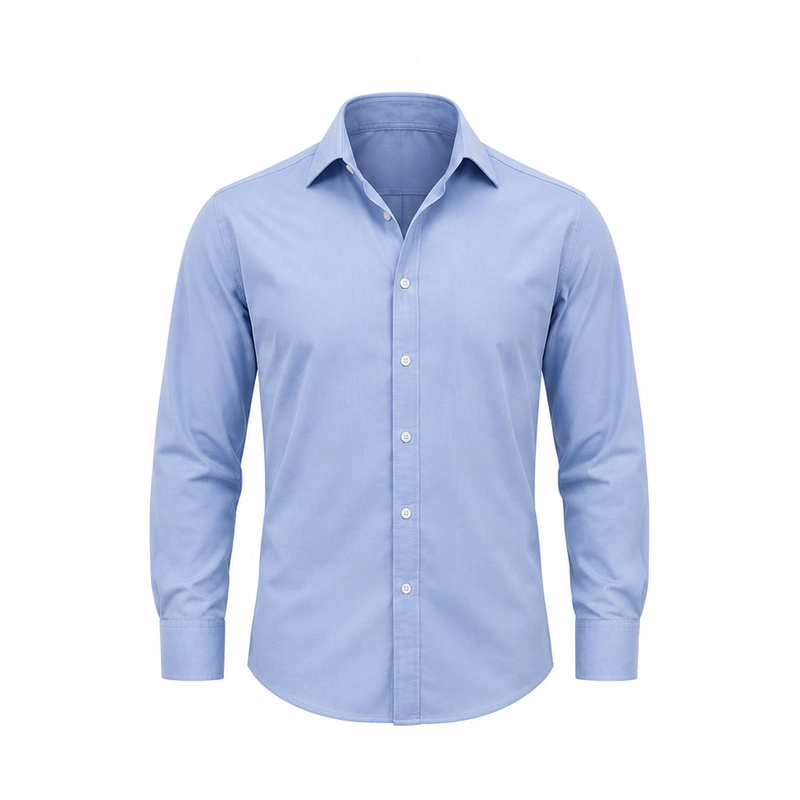
Before & After — Silk Blouse (Ivory): Mannequin visible with heavy shoulder shadow → Clean 3D shape, inner neck rebuilt by hand, shadow matched to catalog template.
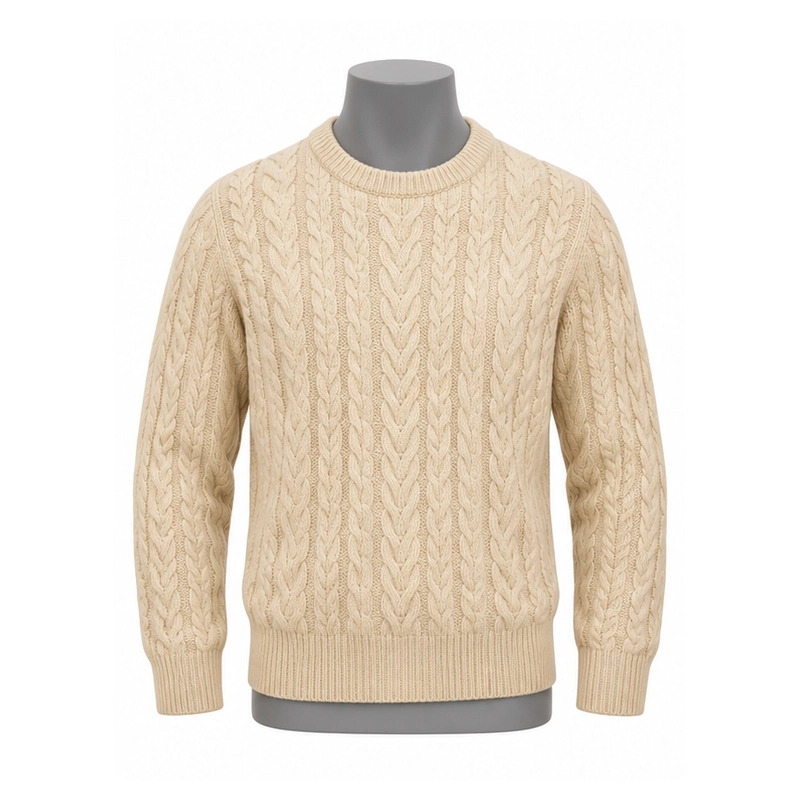
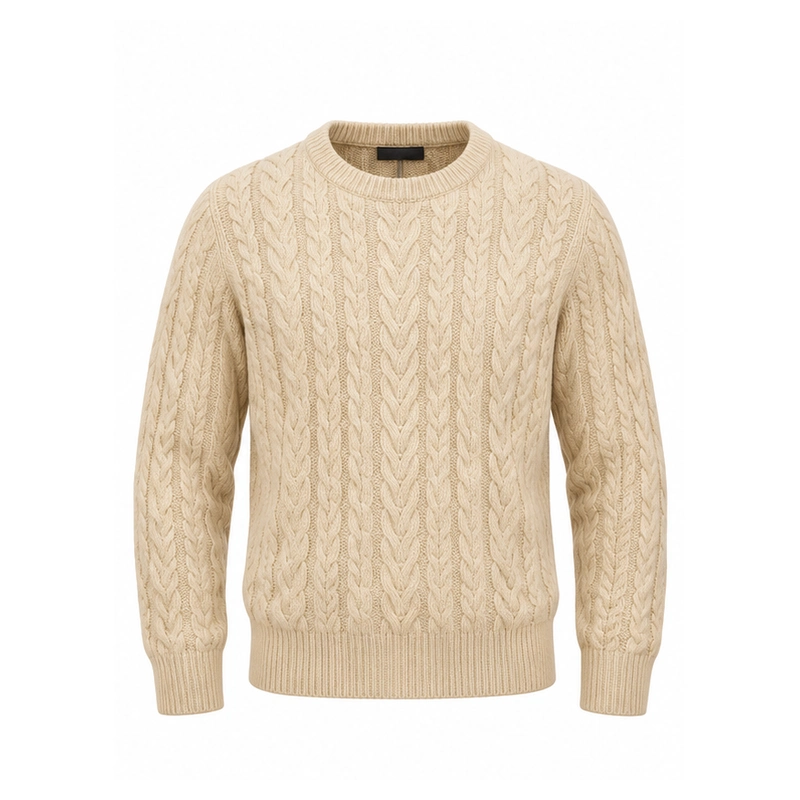
Before & After — Merino Knit (Charcoal): Collar sits awkwardly, inside pasted flat → Natural neckline, hand-matched knit texture on the interior, consistent collar depth across SKUs.
1. Locking in a visual template per garment category
In the first two weeks of the partnership, our senior editor spent a full day with Amelia’s reference files to build a visual template for each garment category — blouses, blazers, knitwear, dresses, and trousers. Position on the frame, overall shape, shoulder slope, shadow angle and intensity were locked in. Every subsequent order references that saved template, so a silk blouse shot in 2022 and a silk blouse shot in 2026 land on the product page looking like siblings.
2. Hand-finishing every neck, sleeve, and bottom joint
No auto-masking, no AI templates. For each garment, a senior editor opens the front mannequin shot alongside the inside neck shot, aligns the two by hand, then rebuilds the collar interior to match the garment’s weave, color, and natural fall. Sleeves and hems are treated the same way. The same approach runs on every SKU in the batch, whether the weekly count is 180 or 320.
3. Dual quality control before any file leaves the team
Every file passes through two editors. The first completes the edit; the second checks shape symmetry, join invisibility, shadow consistency against the saved template, and label alignment. Anything that misses on the second pass goes back to the first editor — the file does not reach Amelia until both editors sign off.
4. Protecting the 42-hour window on every batch
Amelia uploads to a shared Drive folder by 7 PM Central on Tuesday. Her dedicated project manager assigns the batch inside 12 minutes. Editing runs through our Bangladesh team across two shifts. By Thursday afternoon Central — inside 42 hours — finished files are back in Amelia’s folder, named to her Shopify PIM spec. Revisions, when they happen, turn around inside the same business day.
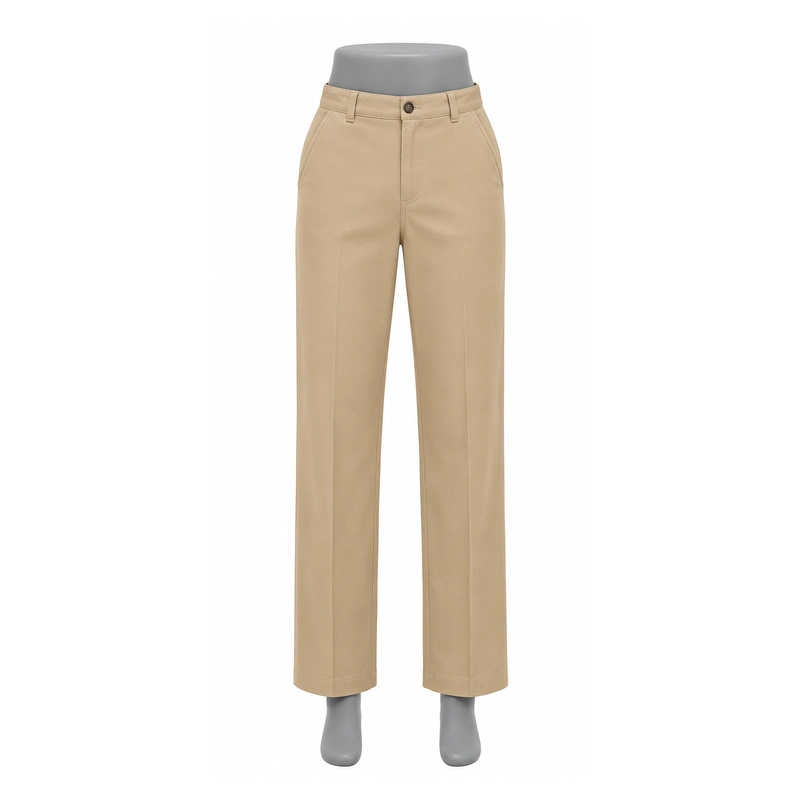
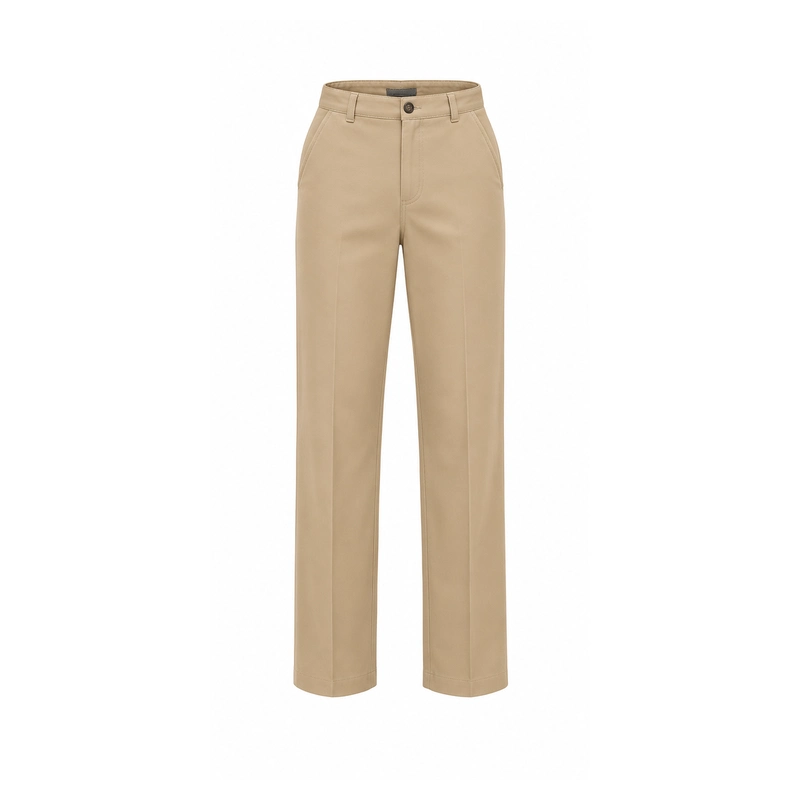
Before & After — Linen Trousers (Stone): Mannequin edge visible along waistband → Crisp hem, inner waistband rebuilt, catalog-consistent shadow applied.
Before & After — Tailored Blazer (Navy): Mannequin arms break sleeve shape, lining pasted flat → Full sleeve rebuild by hand, lining joined to match fabric color and weave texture.
Four Years of Trust, Backed by Real Feedback
- A single named project manager since year one. Amelia’s point of contact has not changed in 4 years. One Slack thread, one escalation path, zero handoff friction.
- Zero missed Friday drops. Across more than 100 bi-weekly batches, Northline Apparel has never pushed a drop because of editing delays.
- 97% first-pass approval rate. Of the 50,000+ images delivered, under 3% have come back for a revision — and every one turned around inside the same business day.
Amelia’s review on Google reflects what the numbers already show: a four-year relationship where the editing quietly keeps pace with the brand instead of holding it back. Her team no longer flags ghost mannequin work in planning meetings — it is simply a step they trust.
Consistent Ghost Mannequin Editing Builds Long-Term Trust
The win here is not a single image. It is 50,000 of them — every one on brand, on time, and indistinguishable from the one shot six months earlier. For a DTC fashion brand selling on fit, fabric and quiet consistency, that is the kind of quiet backbone that lets the rest of the team focus on the next drop, the next account, the next collection.