A strong e-commerce marketing strategy starts with one clear goal, a well-defined buyer, and two or three channels you can run well. Fix your product pages first. Then build search traffic, email, reviews, and creator partnerships, and add paid ads once you know what converts. Track results monthly and adjust.
Your store is up and running, and your products are good. Visitors are coming, but this isn’t converting into sales.
Sound familiar? Most online sellers do not have a product problem. They have a plan problem. They post on social media one week, run ads the next, and drop email when things get busy.
The opportunity is real. U.S. shoppers spent $340.2 billion online in the second quarter of 2026, up 12.2% from a year earlier, according to Census Bureau data. The demand is there. You just need a plan to claim your share.
Below, I will tell you the simple 6-step plan and 10 proven marketing techniques for e-commerce for your business.
What Is Ecommerce Marketing Strategy?
An e-commerce marketing strategy is your plan for attracting shoppers to your online store, turning them into buyers, and bringing them back. It covers who you sell to, where you reach them, what you say, and how you measure results.
A solid plan answers three questions: who you are targeting, why they should choose you, and how you will reach them week after week.
Why Do You Need This?
Think of it as a map. Email campaigns, creator posts, and Google ads are the roads. Without the map, you can spend money on plenty of roads and still miss your destination. That’s why you need to consider some important factors to keep yourself on the right track.
- Saves your budget: You put money into channels that fit your buyer.
- Brings the right shoppers: Your message reaches people who actually want what you sell.
- Turns visitors into buyers: Product pages, emails, and reviews work together to close the sale.
- Builds repeat customers: Loyalty offers and follow-up emails bring shoppers back.
- Shows what works: With one goal and tracked results, you know what to keep and what to drop.
Types of Ecommerce Marketing Channels
You do not need every channel to grow. Start with the core ones, then decide whether the optionals are worth your time.
- Search Engine Optimization (SEO): Search brings shoppers who already want what you sell. We put SEO first with every store. Because clear product pages keep sending free traffic for months.
- Content marketing: Content answers buyer questions before they reach support. Guides and how-to posts build trust. We have seen one strong article keep feeding product pages long after publishing.
- Social media marketing: Social media keeps your products in front of people daily. Post real photos and short videos, and reply to every comment. That habit turns followers into buyers.
- Email marketing: Email is where sales come back. Start with a welcome message and an abandoned cart reminder. Those two flows work quietly while you focus on everything else.
After that, these three channels below can add reach. Not seeing results yet? You can still try them.
- Paid ads (Google and Meta): Ads speed things up once your product pages convert. Start with a small budget, test one offer, and scale only what pays back.
- Influencer marketing: Creators lend you their audience’s trust. Try a few small ones with free products if it suits your brand. If it does not, skip it.
- Affiliate marketing: Partners earn a commission only when a sale happens. So the risk stays low. It is a handy add-on for extra reach but entirely optional.
How to Plan Your Ecommerce Marketing Strategy in 6 Steps
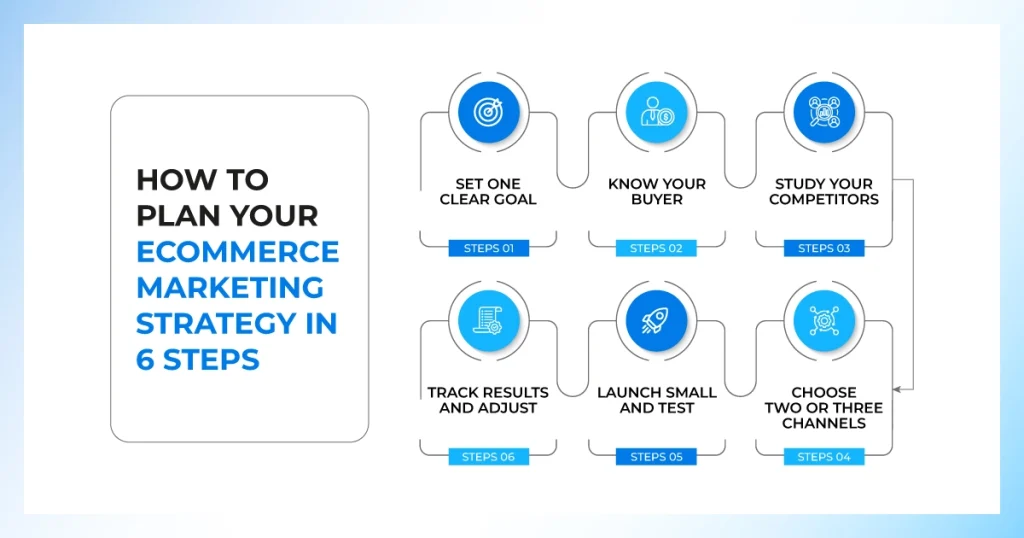
You do not need a 40-page document. You need clear answers to six questions. Use these tips for e-commerce marketing planning as your starting checklist.
Step 1: Set One Clear Goal
Pick one goal for the next 90 days. It might be more first-time orders, a higher average order value, or more repeat buyers. Your ecommerce strategy starts with a number, such as “add 200 email orders by December.” A single target keeps your budget and effort focused.
Step 2: Know Your Buyer
Describe the person you sell products online to in plain terms. Evaluate what they need, where they shop, and what makes them hesitate. A boutique fashion label, a skincare line, and a home goods store all attract different shoppers. Your reviews, survey answers, and support emails are a free source of these details.
Step 3: Study Your Competitors
Look at how similar stores present products, price offers, and advertise. Studying online business marketing strategy examples from brands you admire saves months of guessing. Free tools help. The Meta Ad Library shows the ads a brand is running right now. Google’s Ads Transparency Center does the same for Google.
Step 4: Choose Two or Three Channels
You cannot be everywhere. So match channels to your buyer’s habits and your budget. Websites and social media suit most stores. Add social video, creators, or paid ads based on where your shoppers spend time. Your e-commerce marketing strategy works best when a small team can run every channel consistently.
Step 5: Launch Small and Test
Run a small version first. Test one ad, one email flow, or one new product page layout against what you have now. Small tests protect your budget and show what your audience really responds to.
Step 6: Track Results and Adjust
Check your numbers monthly. Watch conversion rate, average order value, customer acquisition cost, return on ad spend, and repeat purchase rate. Add UTM links and discount codes so you can see which channel earned each sale.
10 Best Ecommerce Marketing Strategies That Work
You don’t always need to spend thousands of dollars to market your products. Follow the right e-commerce strategies and make your marketing easy.
That’s why I’ve curated 10 strategies that are budget-friendly yet professional. I ordered these marketing strategies for e-commerce by how quickly most stores can put them to work.
1. Fix Your Product Pages First
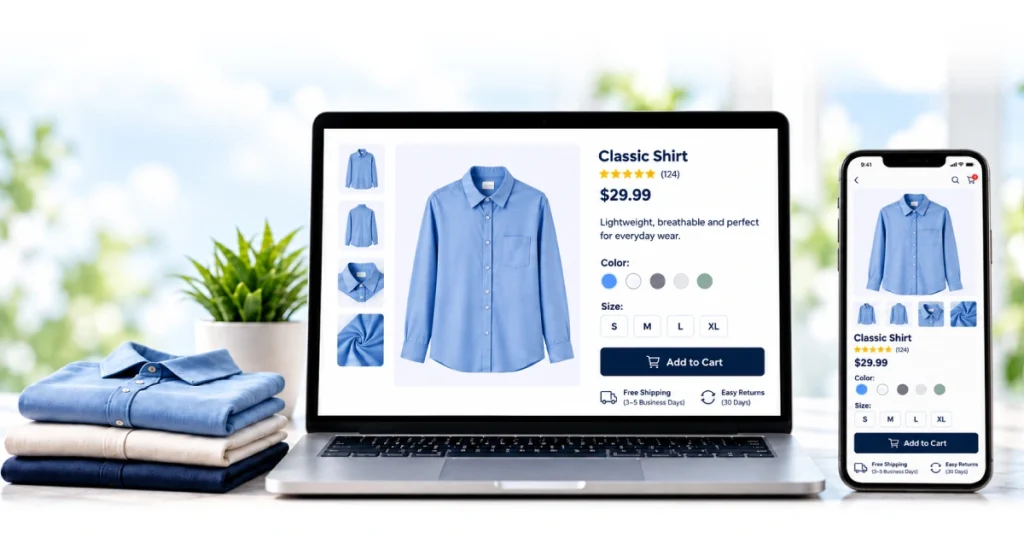
Every channel sends shoppers to your product page. If shoppers get disappointed by your web pages, your ads, emails, and posts all leak sales. Start here.
Suppose you sell apparel and beauty products. How will you present your products to the shoppers? You have to impress shoppers with the images! Because shoppers cannot touch the product.
You completed your photo and video shoot for your products. Does it end here? Are you going to upload this raw footage to your page? Your images and video should offer an appealing look to your shoppers.
Clean backgrounds, consistent lighting, and accurate color build trust quickly. If your photos need work, professional e-commerce photo editing can fix backgrounds, shadows, and color across an entire catalog at once.
First of all, focus on two important optimizations for your shop:
Product photography optimization: Assign a professional photographer who has ample knowledge of e-commerce product photography. Your images should be well-measured as well. Raw images have limitations. But professionally edited images can match your requirements precisely.
Add multiple angles, a zoom view, and a short product video when you can. Place size charts, shipping times, and return details near the buy button. So shoppers do not hunt for answers.
Description optimization: Next, write descriptions in your own words. Copying manufacturer text makes every store sound the same and weakens your search visibility. Explain who the product is for, what problem it solves, and how it differs. This walkthrough on writing product descriptions that sell shows how.
Finally, check speed and checkout. Use WebP images to keep pages light, and offer guest checkout so buyers do not need an account. Every extra form field is one more reason to leave.
Selling apparel? Ghost mannequin editing gives every garment the clean look across your catalog. Explore Ghost Mannequin!
2. Win Search Traffic, Including AI Search
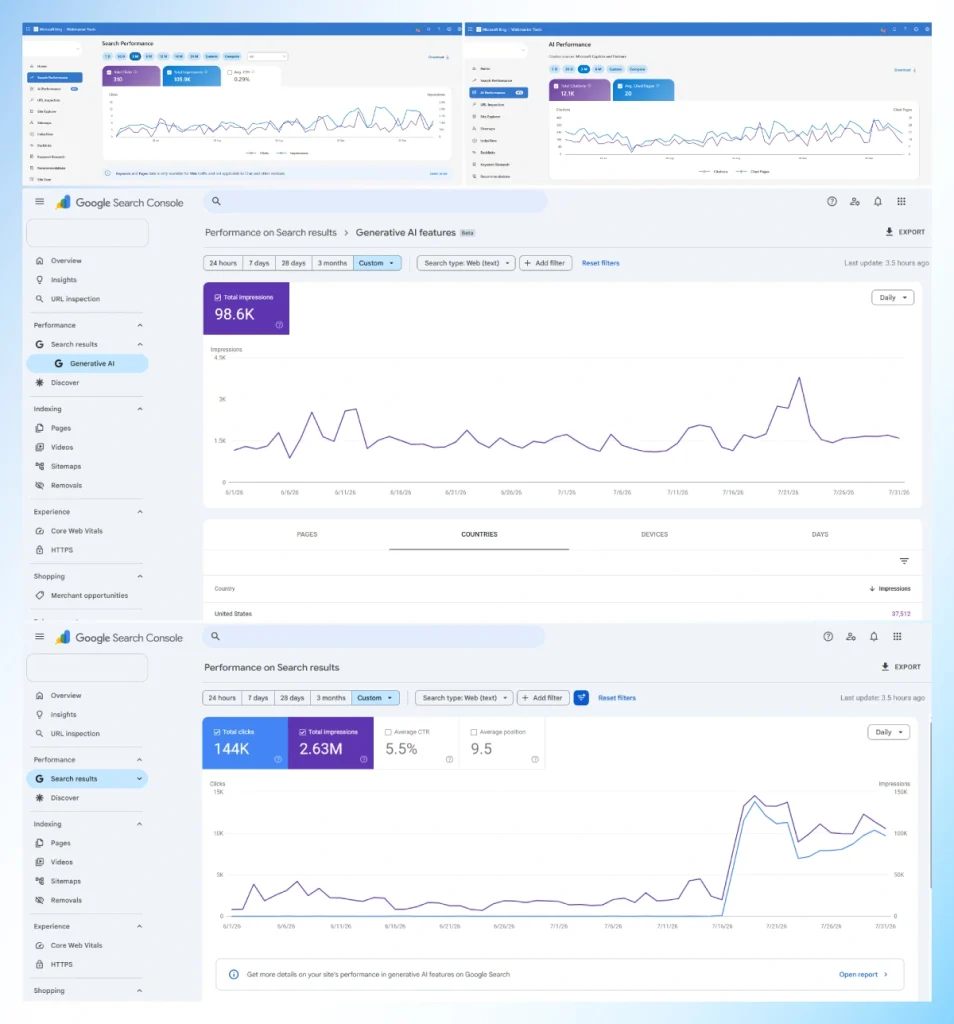
Search still sends you shoppers who already know what they want. For your online beauty product shop, start with the phrases buyers actually type. Like “best concealer for mature skin and wrinkles,” and use them naturally in titles, descriptions, and headings.
Then answer questions plainly. Short, direct answers and FAQ sections on product and category pages help Google and AI search tools understand your page. Add product schema. So search engines can read your price, availability, and reviews.
If you sell through Google Shopping, keep your Merchant Center feed accurate. Because the titles, images, and prices there decide where your products appear. Do not skip the basics either:
- Write clear page titles
- Compress images
- Link related products together
So shoppers and search engines can move through your catalog easily. Give it time. Organic growth builds over months. But it keeps working long after you stop paying for it.
3. Publish Helpful Content
Content is one of the e-commerce marketing techniques that keeps paying off after you publish. It reaches shoppers before they are ready to buy. Write about the questions your buyers ask, such as how to pick a size, how to use this product, or how two options compare.
A skincare brand might publish ingredient guides. A fashion seller could share styling ideas along with clothing photography tips. You can also explain the details behind your visuals. Keep posts scannable, add real photos, and link to the products you mention.
Then repurpose each piece into emails, short videos, and social posts. So one idea works four ways. Start with three or four topics tied to your best sellers, publish one useful guide a month, and update older posts when details change. Pick a schedule you can keep.
4. Use Short-Form Video
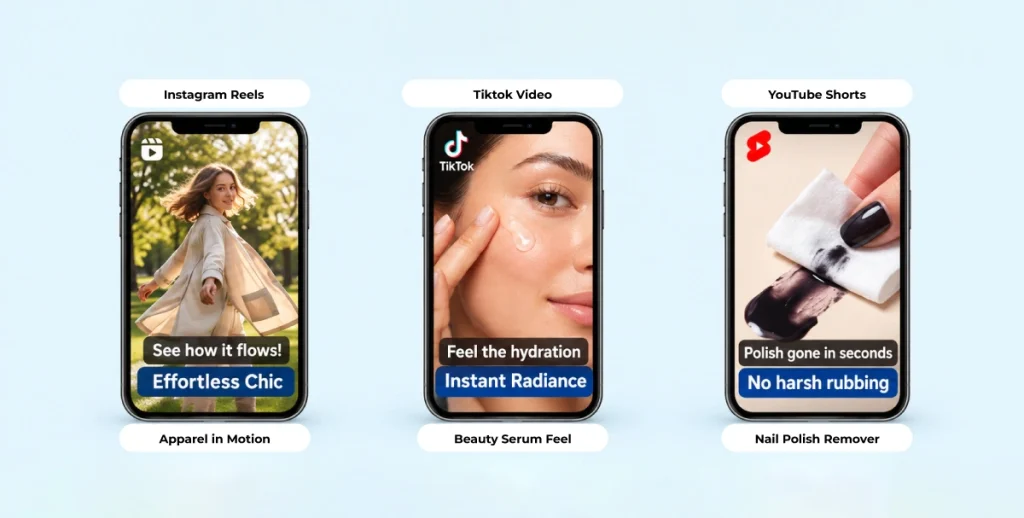
Create short-form videos or reels for your apparel and beauty products. Shoppers see a product in motion in your short videos. You can visualize how a jacket moves, how a beauty serum feels, or how a nail polish remover works through your shorts.
Instagram Reels, TikTok, and YouTube Shorts are engaging places to share them. Show the product in the first few seconds and add captions. Many people watch without sound.
You do not need a big studio. Phone footage, good lighting, and clean editing go a long way. Reuse the same clips on product pages, in emails, and in ads.
If editing eats your week, a video editing service can turn raw clips into polished cuts for every platform. Explore Video Editing!
5. Turn On Email and SMS
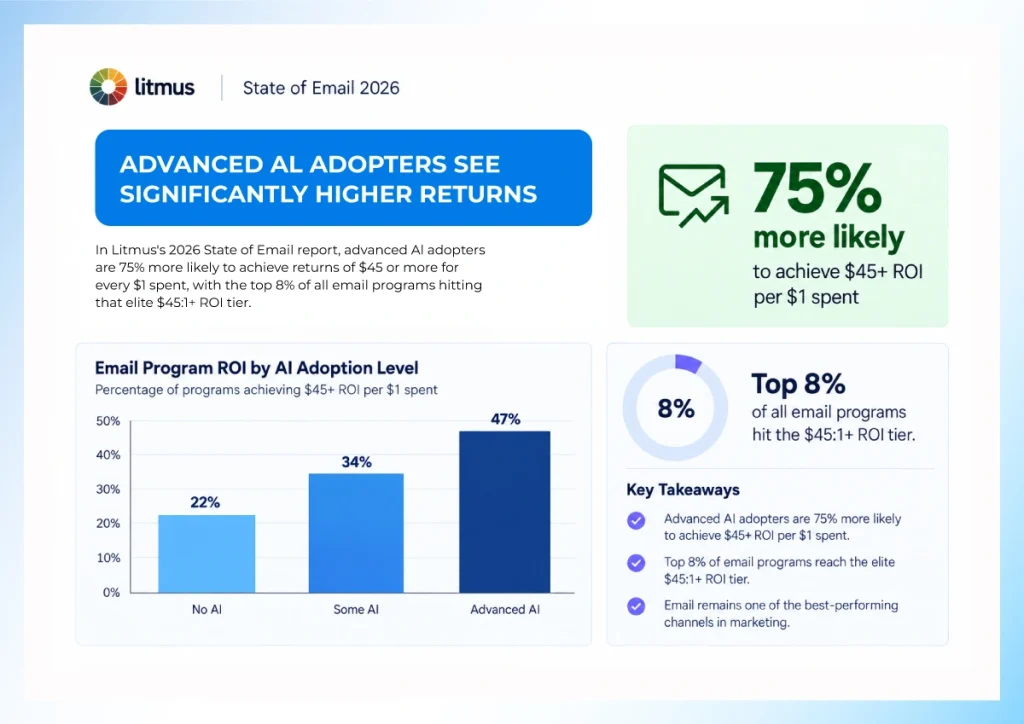
Email still delivers one of the best returns in marketing. In Litmus’s 2026 State of Email report, advanced AI adopters are 75% more likely to achieve returns of $45 or more for every $1 spent, with the top 8% of all email programs hitting that elite $45:1+ ROI tier. You also own your list. So no algorithm or privacy update can take it away.
Start with three flows:
- A welcome message with a small first-order offer,
- An abandoned cart reminder, and
- A post-purchase thank-you with care tips.
Cart reminders matter because Baymard Institute’s review of 50 studies puts the average cart abandonment rate at 70.22%. Add a product photo and a customer review to each reminder.
SMS works well for time-sensitive nudges, like restocks and flash sales. Get clear permission first, and keep texts short and rare. Segment your list by behavior so a first-time visitor and a loyal buyer get different messages. Write subject lines that promise one clear benefit. Send from a real name so emails feel personal.
6. Build Trust With Reviews and Customer Photos
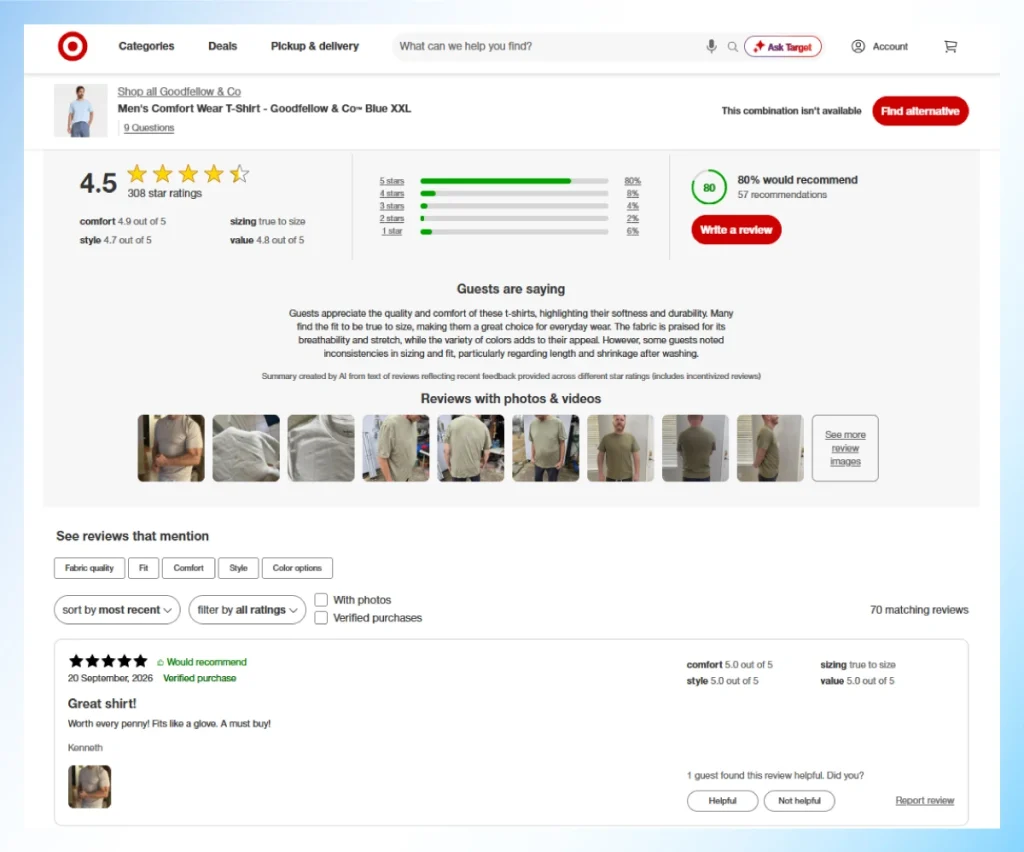
The greater your business’s trustworthiness, the larger the customer base you will have. Suppose someone bought a T-shirt from your shop. They gave a good review of the product you sold. Other shoppers will take that review seriously and then judge your product and pages. Because shoppers want real-life experience with something they are willing to buy.
Shoppers trust other shoppers. A 2017 study from Northwestern University’s Spiegel Research Center found that a product with five reviews was 270% more likely to be bought than one with none. The effect was stronger for higher-priced items.
Ask for a review a week or two after delivery with one easy link. Keep the request short, with star buttons in the email itself. So leaving a rating takes seconds. Show reviews on product pages, in emails, and in ads. Encourage customers to share photos, then use that user-generated content across your site and social channels.
Real photos sit well beside studio shots, especially when your images follow current product photo editing trends and stay consistent.
Do not hide mixed reviews. A few honest ones make the good ones more believable. They show you what to improve. Reply politely and fix what you can.
7. Partner With Creators and Micro-Influencers
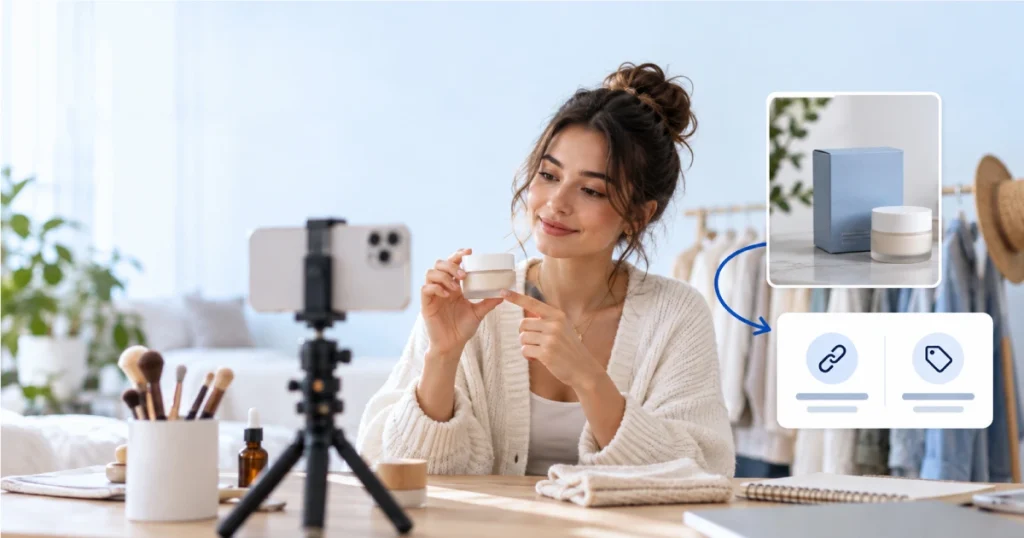
Creators or influencers introduce your product to people who already trust their taste. Micro-influencers often take less payment. So this is a good opportunity to promote your products with them.
Look for YouTubers and social creators whose followers match your buyer, and check that their engagement is real. Begin with five to ten creators, not fifty. Read their past sponsored posts and check whether the comments show real interest.
Send free products first. Then move to paid posts when the fit is clear. Give each creator a unique discount code or tracking link. So you can see which partnerships drive sales.
Ask permission to reuse their content in your ads and on product pages. Affiliate programs are among the lowest-risk e-commerce marketing methods. Because creators earn a commission only when a sale happens.
8. Run Paid Ads and Retargeting Wisely
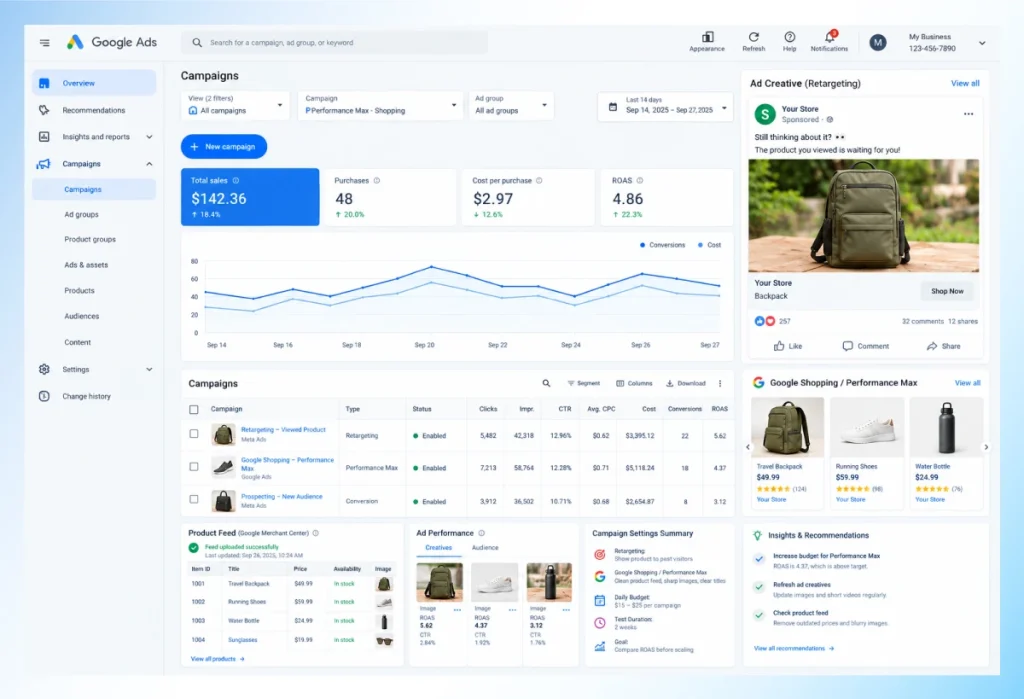
Paid ads speed things up. But they work best after your product pages, reviews, and emails are ready. Otherwise, you pay for clicks that do not convert. Your e-commerce marketing strategy should treat ads as an accelerator, not a starting point.
Start with retargeting. Most visitors leave without buying. So show them the exact product they viewed on Meta or Google. Then test Google Shopping or Performance Max with a clean product feed, sharp images, and clear titles. Build each e-commerce campaign strategy around one goal. Set a small daily budget and run the test for a couple of weeks. Compare return on ad spend before you scale.
Creative matters as much as targeting. Refresh your images and short videos often. So shoppers do not tune them out. Watch your product feed too. Because outdated prices or blurry images waste ad spend.
9. Reward Loyal Customers and Offer Bundles

Repeat buyers are usually cheaper to win than new ones. Build a simple loyalty program with points, early access, or small perks for repeat orders. Add a referral offer so happy customers bring their friends.
Bundles and free shipping thresholds raise your average order value. Group a shirt, belt, and socks at a small discount, or offer free shipping above a set amount. Discount carefully, though. Constant sales teach shoppers to wait, and deep cuts can wipe out your margin.
Tie promotions to real moments like a product launch or a holiday. Keep the rules simple. If shoppers need a manual to understand your rewards, they will not use them.
10. Join Communities and Team Up With Other Brands
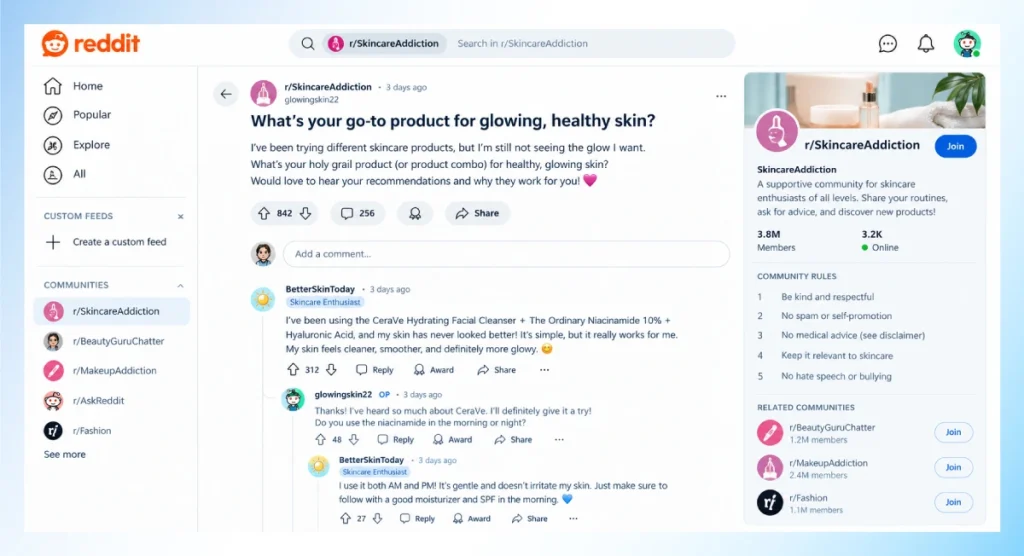
Forums, Reddit threads, Facebook groups, and Q&A sites are full of people asking what to buy. Answer questions honestly, share useful tips, and mention your product only when it truly fits. Say that you work for the brand. Helpful answers build a reputation.
In your apparel and beauty product shop, if your shoppers are mainly female, then target the Instagram, TikTok, or Pinterest community. And if your shoppers are male more than female, you can primarily target Reddit, Quora, or Q&A sites.
Brand partnerships help too. Pair up with a store that shares your audience but does not compete. For example, a fitness apparel brand and a clean beauty brand can trade shoutouts, bundle products, or host a joint giveaway.
Short on time? Outsourcing repetitive work such as image editing frees you up for these partnerships. Here is how to choose a photo editing company.
Which Strategy Should You Start With?
Even the best e-commerce strategies need the right order. Use this quick guide:
- New store: Fix product pages, set up welcome and cart emails, and collect your first reviews.
- Growing store: Add content, short video, and creator partnerships.
- Established store: Test paid ads, loyalty programs, and brand partnerships, and track every channel closely.
Overall, start with SEO and helpful content through your online store. Then you can add social media marketing. In addition, set up email marketing for useful reminders for your consumers.
FAQs
What are the best e-commerce marketing strategies for a small budget?
Start with the low-cost options: optimized product pages, email, reviews, and helpful content. They cost mostly time. Add creator partnerships and small retargeting budgets as your sales grow.
How long does it take to see results?
Email, retargeting, and creator discount codes can show results within weeks. SEO and content usually take several months. Track each channel separately so you know what is working.
Is SEO or paid advertising better for e-commerce?
Neither wins on its own. Paid ads bring quick traffic. SEO builds steady traffic over time. Many stores start with a small ad budget to learn what sells. Then invest in search and content to depend less on ads.
How many strategies should I use at once?
Two or three. A few well-run channels beat ten half-run ones. Add another only when your current channels run steadily.
Do I need a big team?
No. Many stores start with one person handling email and content. Then outsource repetitive work such as photo and video editing as they grow.
Final Verdict
The strongest e-commerce marketing strategy is the one you can run consistently and measure honestly. Start with your product pages, add two or three channels, and let your numbers guide every change.
E-commerce strategies that stand the test of time usually share a common characteristic. They simplify the customer’s decision-making process. Sharp images, honest reviews, helpful content, and timely emails all do that.