A beautiful fashion image can still fail if it is made for the wrong job. A dramatic magazine-style shot may stop a scroll, but it can hide the fit details an online shopper needs. A clean catalog frame may sell a garment clearly, but it may not carry enough attitude for a launch campaign.
The quick answer is that the main types of fashion photography include high fashion, editorial, commercial, catalog, lookbook, street, runway, advertising, beauty, still life, backstage, alternative, ghost mannequin, and e-commerce photography. Each one changes the balance between storytelling, product clarity, model direction, styling, lighting, and post-production.
Key Takeaways
- Choose the photography type by the image’s job, not by what looks trendy.
- Editorial and high fashion prioritize concept; catalog and e-commerce prioritize clarity and consistency.
- Lookbooks and campaigns sit between storytelling and product presentation.
- Ghost mannequin photography is built for apparel shape and structure without a visible model.
- Brands often need more than one style across the same collection.
Fashion Photography Overview
Fashion photography is the practice of photographing clothing, footwear, accessories, beauty, and styling in a way that supports a visual or commercial purpose. That purpose can be selling a SKU, introducing a collection, creating an editorial story, documenting a runway, or building a recognizable brand image.
Fashion Photography vs. Other Types of Photography
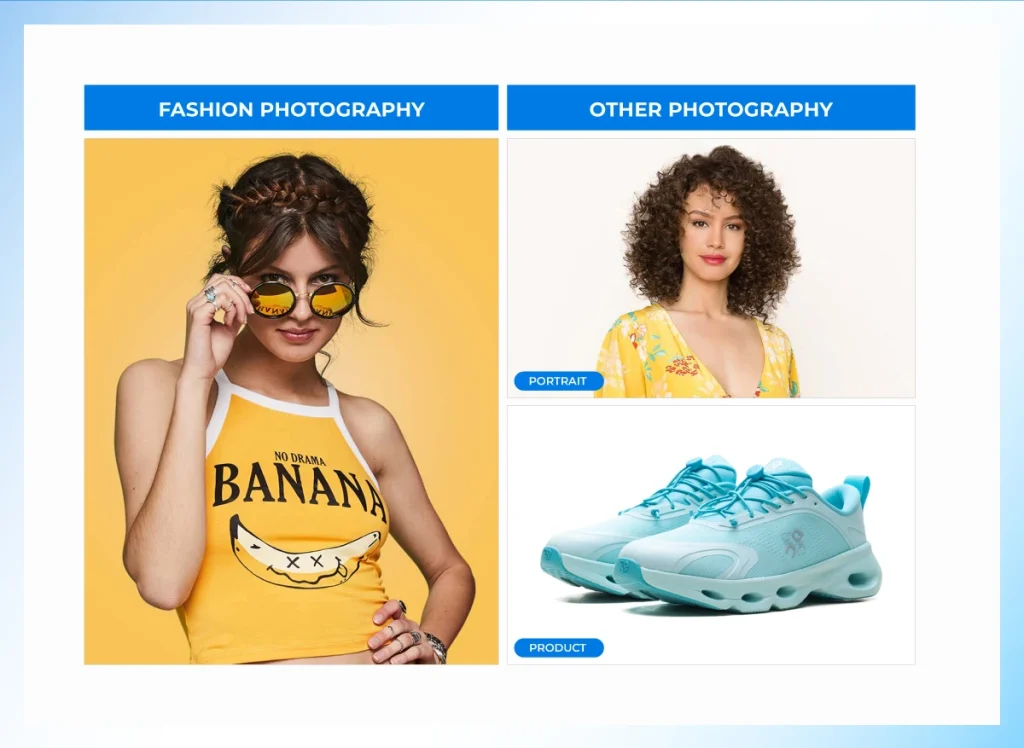
Portrait photography usually treats the person as the main subject. Product photography usually treats the item as the main subject. Photography for fashion often has to manage both at once. The model, styling, garment, background, pose, and lighting must work together without letting one element weaken the clothing.
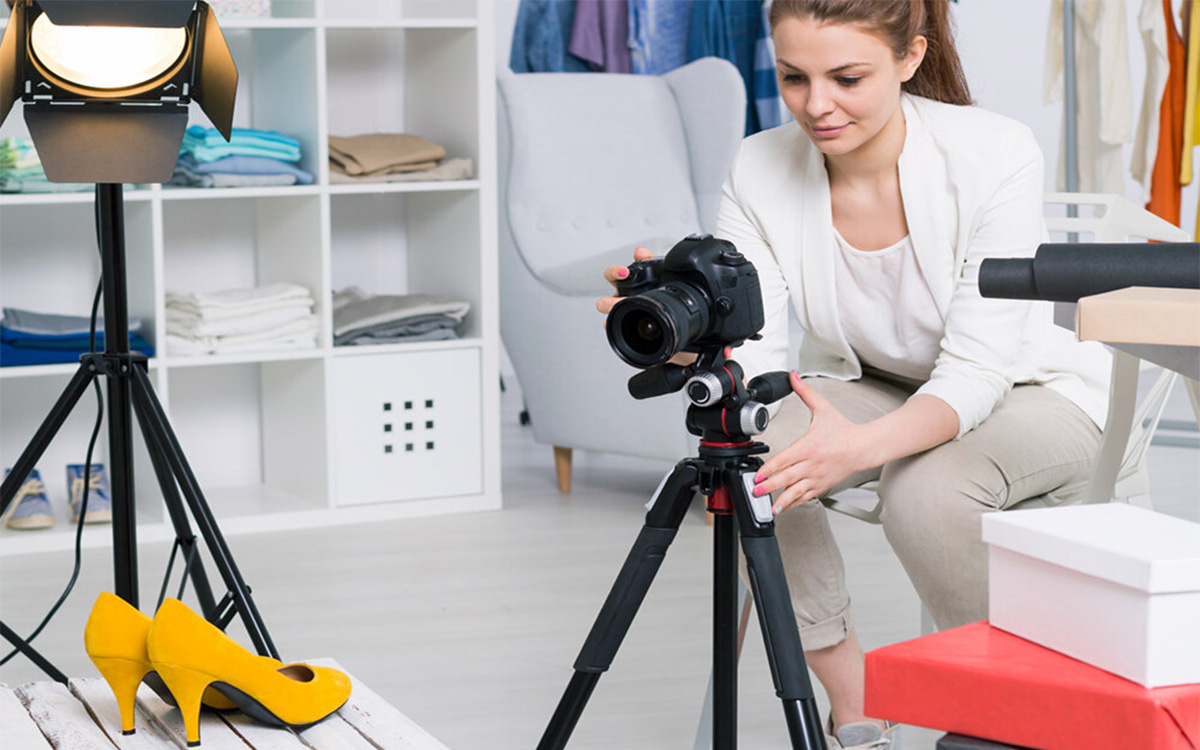
That is why a fashion photographer works closely with a fashion stylist, makeup team, and often a creative director. The job is not simply to make an attractive portrait. Good fashion photo composition controls attention so the viewer reads the garment, silhouette, texture, and intended mood in the right order.
Where Fashion Photography Is Used
The same collection can produce very different images depending on where they will appear. Common uses include:
- Fashion magazines and editorial spreads
- Advertising and seasonal brand campaigns
- E-commerce product pages and marketplace listings
- Catalogs and line sheets
- Lookbooks for buyers, press, and consumers
- Runway shows and fashion-week coverage
- Social media, creator campaigns, and launch content
- Retail, out-of-home, email, and website hero imagery
A brand planning a full content system may combine campaign imagery with lifestyle product photography and clean product-only frames. That mix gives marketing teams emotional hero images while still giving shoppers clear product information.
The 14 Types of Fashion Photography
The categories below are best treated as working formats rather than hard walls. A fashion photoshoot can borrow elements from several styles. The useful question is what the image must accomplish, how much product detail must remain visible, and whether the final frame is meant to sell, inspire, document, or build identity.
When comparing types of fashion photography, look beyond the surface treatment. Two images can use similar lighting and posing but serve completely different jobs. Check the deliverable, the amount of garment information preserved, the intended audience, and how much creative freedom the image can carry before product clarity starts to suffer.
For a working brief, define four things before choosing the style:
- Where will the image appear?
- What must the viewer understand?
- How many products need to be covered?
- What crop formats are required?
Those answers usually narrow the choice faster than collecting another dozen visual references.
1. High Fashion Photography
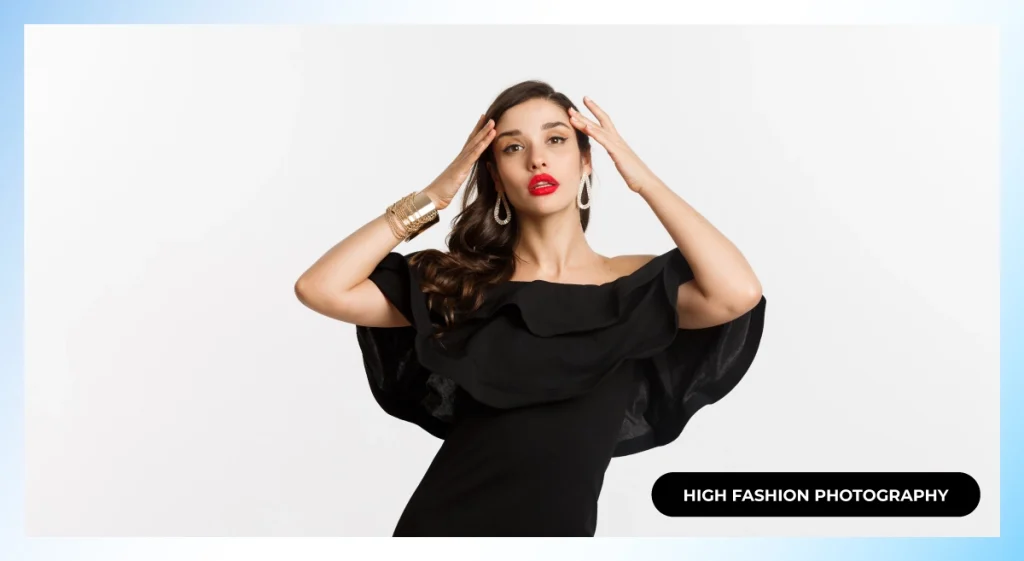
High fashion photography sits closest to haute couture, luxury houses, and highly produced visual concepts. The wardrobe may be rare or custom, the set can be theatrical, and the photography fashion poses are often more sculptural than natural. Lighting, hair, makeup, and styling are designed to create an image with status and visual impact.
Use it when the goal is prestige, artistic direction, or a major campaign rather than fast product comparison. A strong mood board matters because every department must share the same visual language. Post-production can be polished, but fabric texture, skin, and garment construction should still look intentional rather than plastic.
2. Editorial Fashion Photography
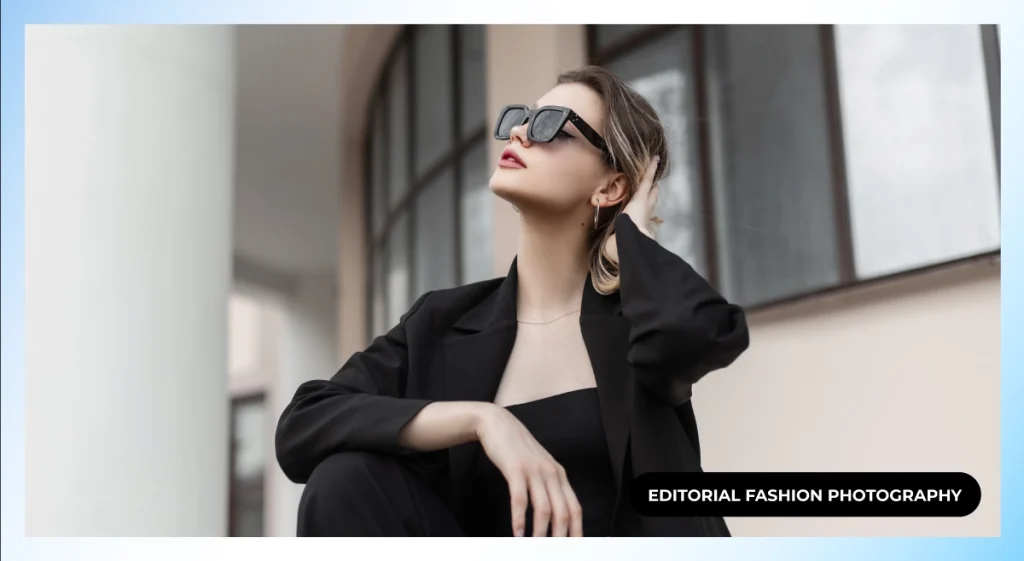
Editorial fashion photography tells a story across one image or an editorial spread. The location, model, styling, props, color science, and negative space support a concept rather than presenting a product in isolation. This is where fashion and photography become strongly narrative.
Magazines are the obvious home, but editorial language also appears in brand journals, launch stories, social campaigns, and premium lookbooks. For teams collecting fashion photography ideas, the concept should lead first. Then choose garments, photography fashion poses, and lighting that make the story readable instead of adding random visual drama.
3. Commercial Fashion Photography
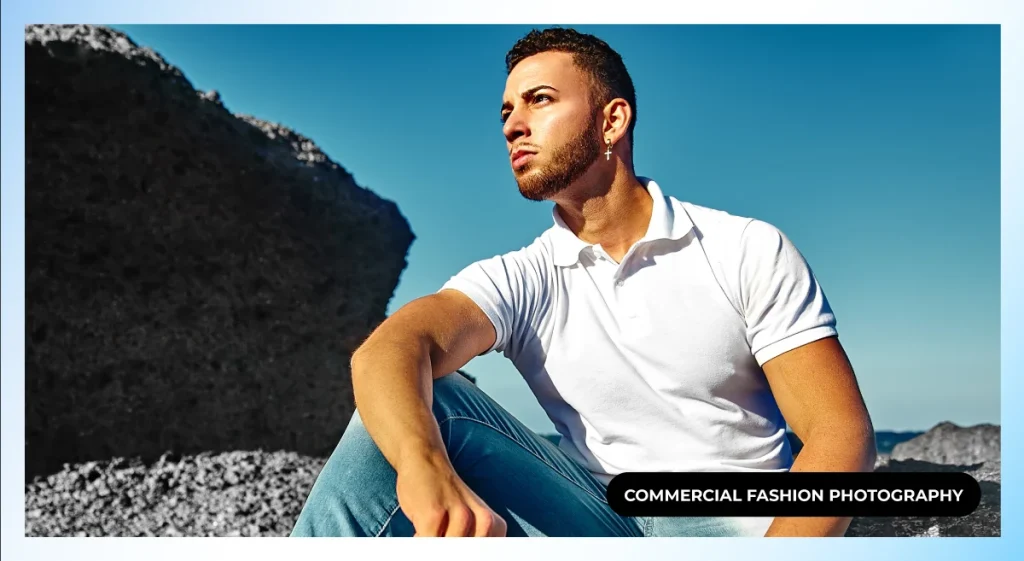
Commercial fashion photography is made to support a business goal. It can still look premium or creative, but the message must be easy to understand. A retail campaign, seasonal homepage, paid social ad, or promotional banner usually needs the product, audience, and offer to read quickly.
This format suits fashion and apparel brands that need one visual system across web, email, social, retail, and advertising. The photographer and creative director typically plan crops and safe areas in advance so a strong master image can adapt to several placements without losing the garment or key message.
4. Fashion Advertising Photography
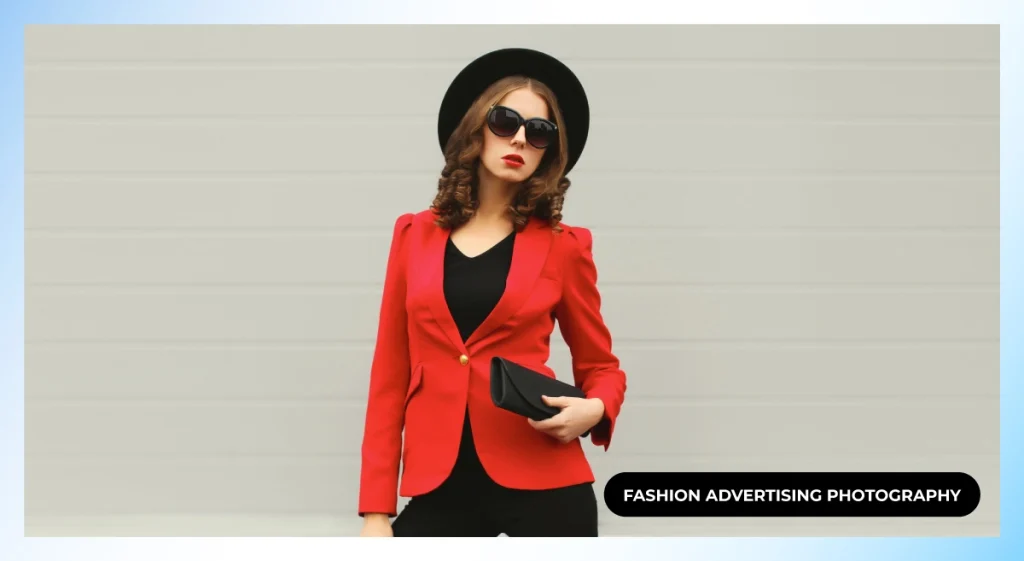
Fashion advertising photography is a more campaign-specific branch of commercial work. The image is designed to attract attention and persuade, often around a launch, collaboration, promotion, or brand message. Compared with a straightforward commercial frame, advertising may use bolder styling, tighter art direction, and more deliberate space for copy.
For performance marketing, build variations instead of relying on one hero. Shoot vertical, square, and landscape options, plus close and wide compositions. That gives marketing managers and agencies more usable assets for testing without forcing aggressive crops that damage the fashion photo composition.
5. Lookbook Photography
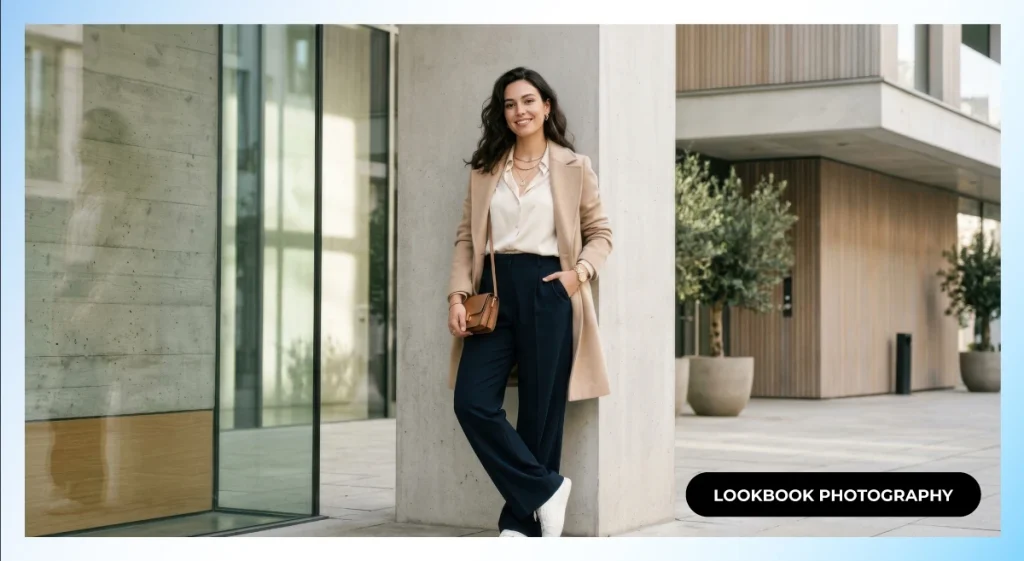
A lookbook presents a collection as a coordinated visual story. It is more styled than a basic catalog but usually more informative than a full editorial. The viewer should understand silhouettes, outfit combinations, season, and brand direction without losing sight of the clothes.
This is especially useful for new collections, wholesale presentations, buyer meetings, press kits, and direct-to-consumer launches. Keep the set, lighting, crop logic, and color treatment consistent. If the collection has many SKUs, a repeatable setup prevents the lookbook from feeling like unrelated fashion photography pics.
6. Catalog Fashion Photography
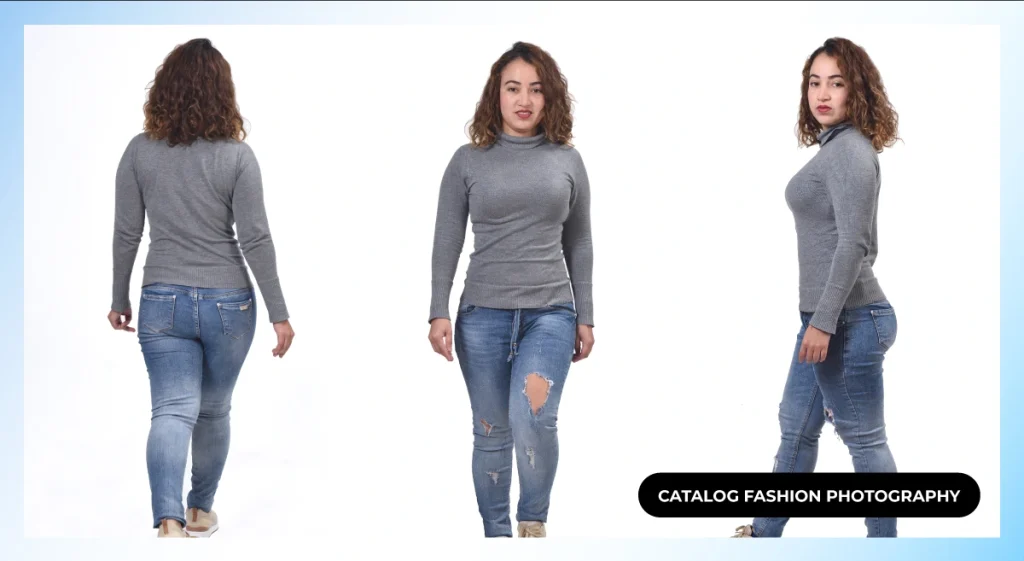
Catalog photography is built for consistent comparison. Models, poses, crop, background, and studio lighting stay controlled so each garment is easy to review against the next. The goal is not to create mystery. It is to show fit, length, color, construction, and styling clearly.
This matters for large apparel ranges, wholesale catalogs, retail systems, and SKU-heavy operations. When planning backgrounds, consistency is more important than novelty.
Our guide to choosing a background color for product shots explains how neutral and branded backgrounds affect separation, consistency, and the final product presentation.
7. E-Commerce Fashion Photography
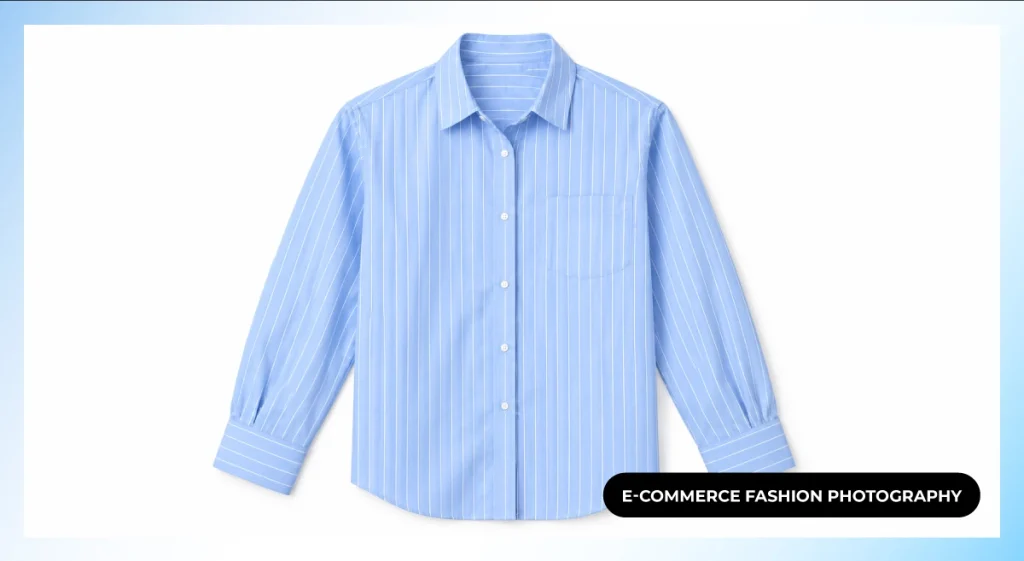
E-commerce photography is designed for online shopping decisions. The images must answer practical questions:
- What does the item look like?
- How does it fit? What details matter?
- Is the color believable?
A strong product page often combines front and back views, detail shots, on-model imagery, and product-only imagery.
For online stores, consistency across hundreds or thousands of images matters as much as the quality of any single frame. If you are planning a scalable workflow, our product photography tips cover preparation, shooting discipline, and post-production decisions that reduce avoidable rework.
When volume increases, standardized crop, background, shadow, and color treatment keep the grid cohesive. A dedicated e-commerce image editing workflow can help catalog teams maintain that consistency without turning every new collection into a manual editing bottleneck.
8. Ghost Mannequin or Invisible Mannequin Photography
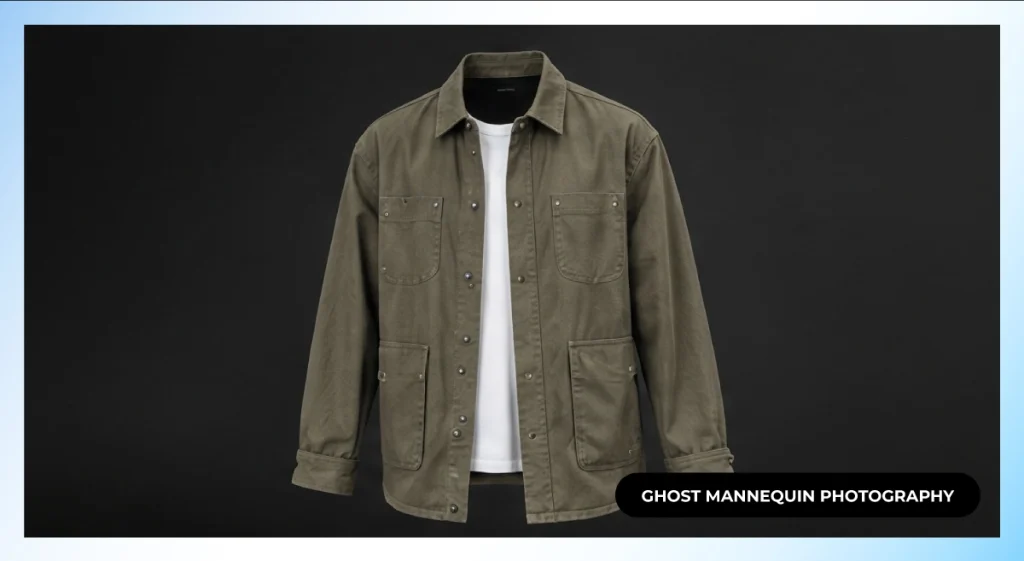
Ghost mannequin photography shows the shape of a garment without leaving the mannequin visible. The result is a clean 3D form that helps shoppers understand collars, sleeves, shoulders, waistlines, and interior areas while keeping attention on the clothing.
The ghost mannequin effect is created from carefully shot frames and post-production composites. It works particularly well for shirts, jackets, dresses, knitwear, and structured apparel. For production teams that need repeatable invisible mannequin output across a catalog, a specialist ghost mannequin service can combine the correct frames and keep neck joints, edges, and garment shape natural.
9. Still Life Fashion Photography
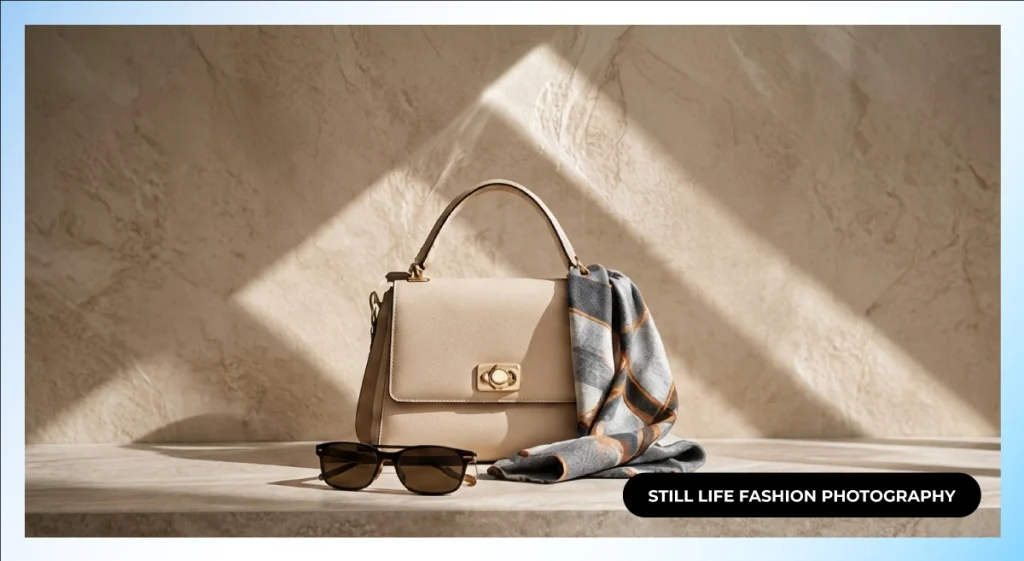
Still life fashion photography removes the model and builds the image around clothing, footwear, jewelry, bags, cosmetics, or accessories. The style can range from clean product-only imagery to highly art-directed flat lay photography with props, shadows, textures, and graphic composition.
It is useful when the product itself needs to carry the frame, or when a brand wants flexible assets for web banners, social posts, packaging, and editorial inserts. For practical setup and styling guidance, the deeper fashion product photography guide covers the product-focused side in more detail.
10. Beauty Fashion Photography
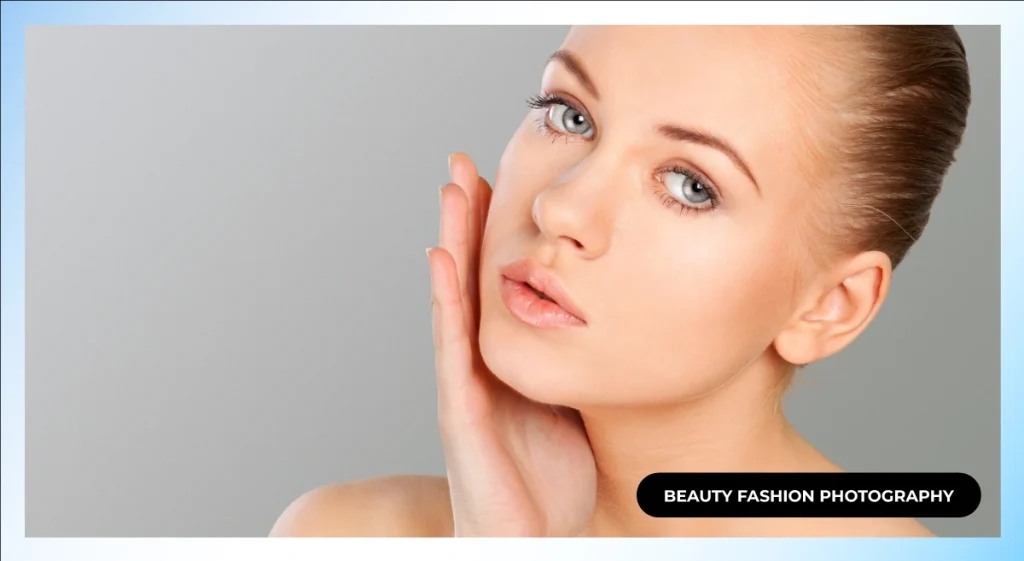
Beauty fashion photography moves closer to the face and highlights makeup, skin, hair, jewelry, nails, and beauty products. The frame may still carry fashion styling, but the visual priority becomes surface detail, color, and controlled texture.
This style is common in cosmetics campaigns, beauty editorials, hair advertising, skincare launches, and close fashion portraits. Retouching requires restraint. Clean temporary blemishes and distractions, but preserve believable skin texture, makeup edges, hair detail, and the color relationships approved by the brand team.
Want polished fashion images without slowing your production? Send the final selects to a specialist team for cleanup, skin and fabric refinement, color consistency, and campaign-ready finishing.
Retouch My Photos
11. Runway or Catwalk Fashion Photography
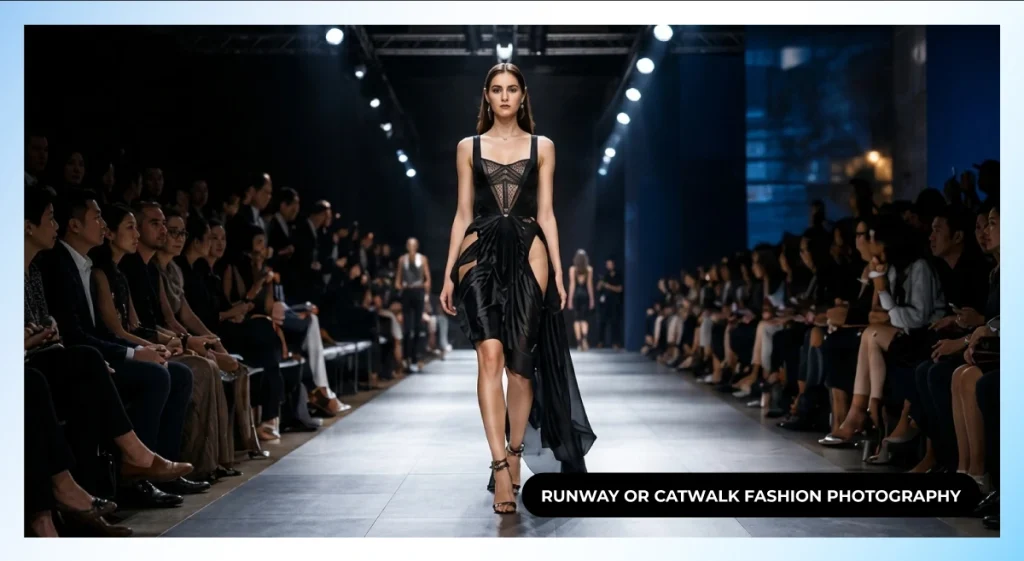
Runway photography documents garments in motion under live show conditions. The fashion photographer has limited control over lighting, timing, model position, and background, so anticipation and consistency matter more than elaborate direction.
A runway set should show the full look, key details, movement, and the designer’s presentation. Fast shutter speeds, dependable autofocus, and disciplined framing help keep the series usable. For fashion houses, PR teams, and event media, clean delivery matters because the images may need to move quickly into press, social, and recap coverage.
12. Backstage Fashion Photography
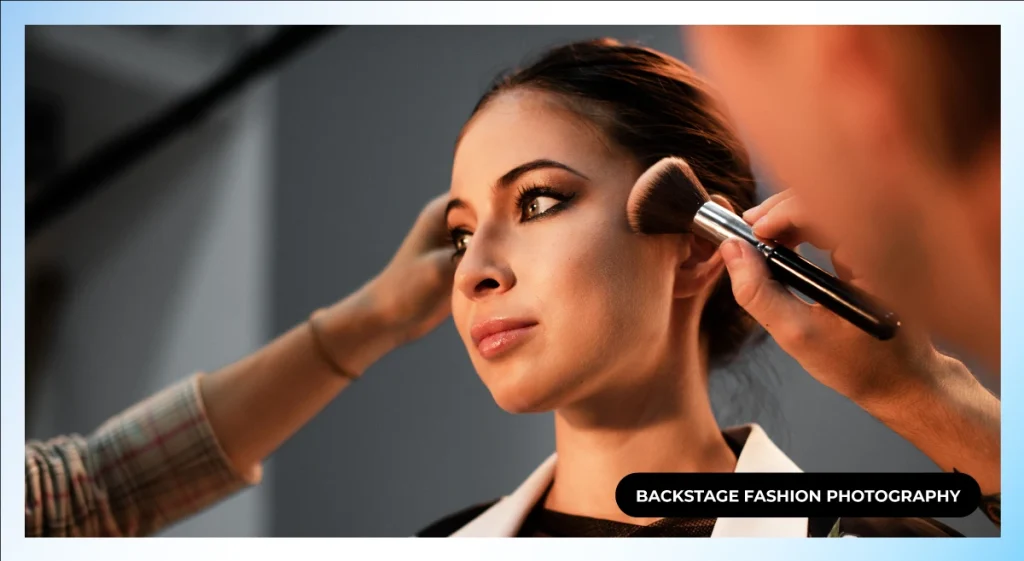
Backstage documentary photography captures the preparation around a runway show or fashion production: fittings, makeup, hair, garment steaming, final styling, and the moments before models step out. The strongest frames feel candid but still respect the visual identity of the event.
This content is valuable for PR, social storytelling, designer profiles, fashion-week recaps, and brand documentaries. Unlike polished campaign work, backstage images benefit from immediacy. The photographer should look for gestures, details, and interactions that explain the work behind the finished look.
13. Street Fashion Photography
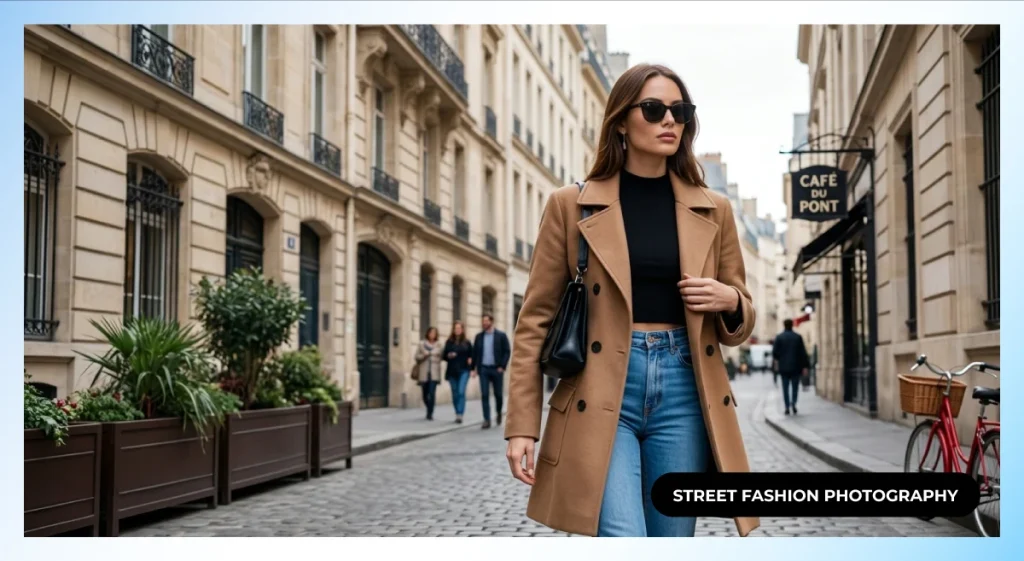
Street fashion photography captures clothing in real environments, often with a candid street style feel. Some shoots are genuinely observational, while others are directed fashion sessions designed to look spontaneous. Architecture, weather, movement, and public space become part of the styling.
It works well for youth-focused brands, creator campaigns, denim, sneakers, outerwear, accessories, and collections built around everyday wear. Model photographers should keep the background active enough to add context without letting signs, crowds, or strong lines compete with the outfit.
14. Alternative Fashion Photography
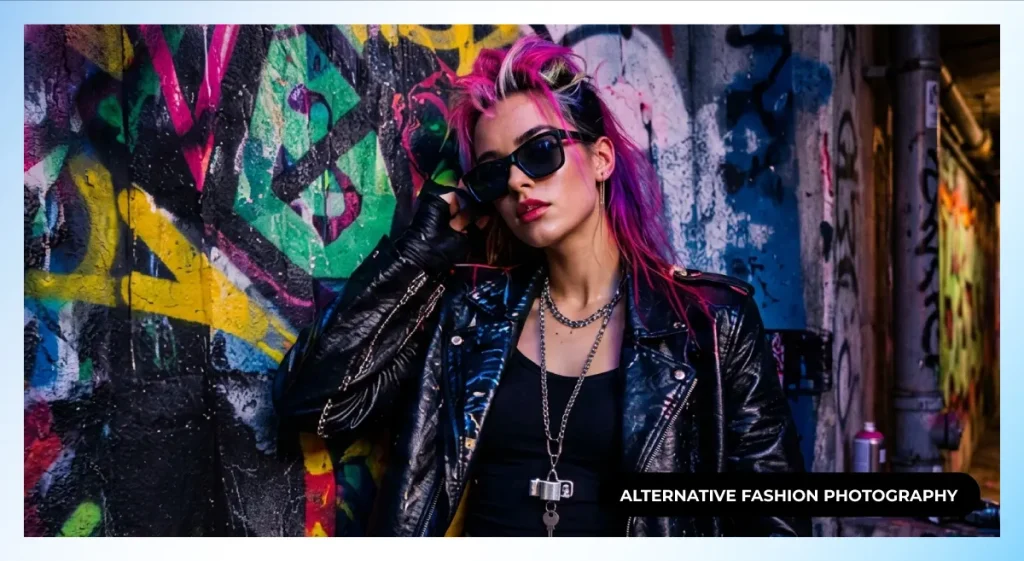
Alternative fashion photography steps outside mainstream commercial styling. It can include punk, gothic, retro/vintage aesthetic, cyber, experimental streetwear, subculture-led fashion, or avant-garde styling. The visual language may use unconventional casting, locations, lighting, makeup, color, or composition.
This type works when the brand genuinely belongs to that visual world. It should not feel like a costume applied to a generic collection. Build references around the audience, music, art, subculture, and design cues that shaped the clothing, then let the photography support that identity.
Shooting is only half the fashion workflow. If a collection needs clean edges, consistent color, refined garments, and matching finishes across a large image set, plan post-production before the shoot ends.
What Type of Fashion Photography Does Your Brand Need?
The best choice depends on the decision you want the viewer to make. Before choosing a photographer or building a mood board, define the channel, the amount of product detail required, the number of SKUs, the campaign lifespan, and how many final crops or variations your team needs.
| Business Need | Best Starting Type | Why It Fits | Useful Add-On |
|---|---|---|---|
| New online store | E-commerce | Builds clear, consistent PDP imagery | Ghost mannequin or on-model details |
| Seasonal collection | Lookbook | Shows styling and the range as a whole | Catalog or e-commerce set |
| Major launch | Advertising / Commercial | Creates campaign assets across paid and owned channels | Editorial hero imagery |
| Luxury positioning | High Fashion | Supports prestige and strong art direction | Beauty or editorial close-ups |
| Wholesale / SKU review | Catalog | Makes garments easy to compare | Lookbook |
| Social-first fashion brand | Street / Commercial | Feels immediate and adaptable for feeds | Still life and creator-style assets |
A useful way to choose between types of fashion photography is to separate “must-show” information from “nice-to-feel” information. Fit, color, texture, closures, and construction are must-show details for product-led images. Mood, aspiration, attitude, and brand world become more important as you move toward campaign and editorial work.
By Business Stage: Beginner to Grandmaster
Early-stage brands usually need clarity before spectacle. Start with e-commerce or catalog images that make every product easy to understand, then add a small lookbook or lifestyle set. Once the collection, audience, and visual identity are proven, invest more heavily in campaign, editorial, or high fashion photography.
Established brands can build a layered system: e-commerce for conversion, a lookbook for collection presentation, commercial photography for campaigns, and editorial or high fashion for brand heat. That approach gives every image a job instead of expecting one expensive shoot to solve every channel.
Which Type Is Best for E-commerce?
For online retail, start with e-commerce photography and add ghost mannequin, still life, or on-model catalog images depending on the garment. The strongest store galleries usually mix product clarity with enough context to show fit and styling.
If your main challenge is cutouts and clean backgrounds, a background removal service can standardize the canvas while preserving fine garment edges.
Need help for complex selections and shape correction? A professional clipping path service may fit structured products and precise cutout workflows. Edit My Photos
Which Type Is Best for Advertising?
For advertising, commercial or fashion advertising photography is usually the safest base because the image has to communicate quickly and survive multiple placements. Add editorial or high fashion direction when the campaign needs more concept, status, or emotional storytelling.
Plan the final crops before the shutter clicks. A billboard, homepage hero, paid social square, and vertical story all need different negative space. If the layout team receives only tight portraits, even excellent fashion photography examples can become difficult to adapt.
Some Renowned Fashion Photographers
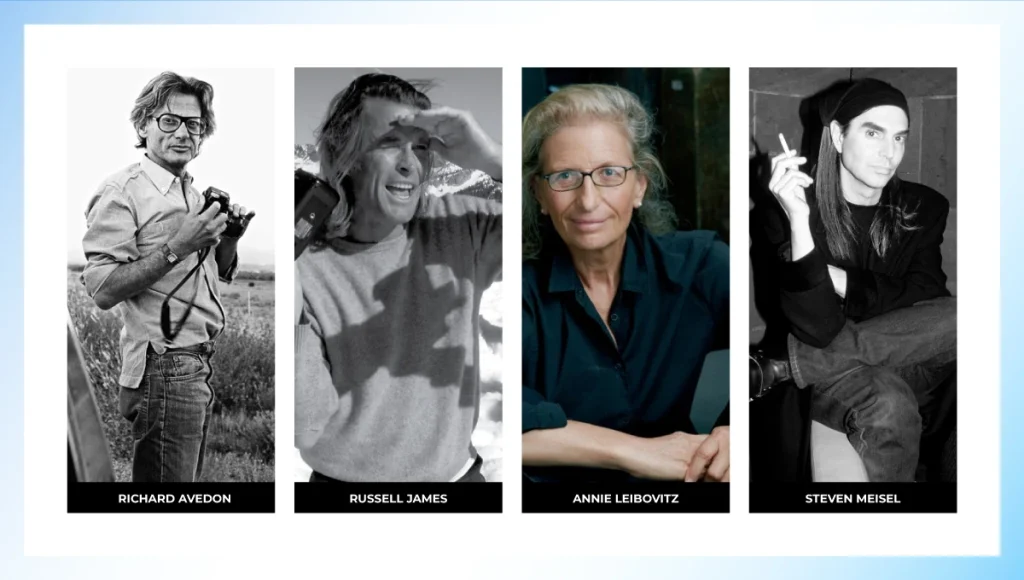
Studying established fashion photographers is useful because their work shows how differently the same field can be approached. Rather than copying a signature look, pay attention to how each photographer controls pose, space, movement, lighting, styling, and the relationship between the model and garment.
- Richard Avedon: Known for energetic, expressive fashion images and a strong sense of movement.
- Russell James: Known for polished fashion, beauty, and celebrity photography, with extensive work for major brands and publications, including Victoria’s Secret.
- Annie Leibovitz: Known for cinematic, story-driven portraits and fashion imagery that blend strong art direction, personality, and editorial depth.
- Steven Meisel: Known for concept-driven editorial and campaign work across major fashion publications and brands.
Fashion Photography vs. Fashion Product Photography
Types of fashion photography often involve a model, styling direction, atmosphere, or a broader brand story. The distinction matters because the shot list, lighting, retouching, and success criteria change with the final purpose.
| Area | Fashion Photography | Fashion Product Photography |
|---|---|---|
| Primary goal | Style, story, brand identity, or campaign impact | Clear product presentation and selling information |
| Subject emphasis | Model, garment, styling, environment | Garment, accessory, or product details |
| Common formats | Editorial, high fashion, campaign, street, runway | E-commerce, catalog, flat lay, ghost mannequin, still life |
| Consistency need | Varies by concept | Usually very high across SKUs |
| Post-production | Creative polish plus realism | Accuracy, clean edges, color consistency, standardized output |
If your next project is product-led, the dedicated guide on fashion photo editing explains how post-production handles cleanup, color, skin, fabric, and consistency after the shoot.
FAQs
What are the 4 main types of fashion photography?
A common simplified framework is catalog, high fashion, street fashion, and editorial fashion. In commercial production, however, teams often separate lookbook, advertising, beauty, runway, ghost mannequin, and e-commerce because they serve different deliverables.
What is high fashion photography?
High fashion photography is a highly art-directed style associated with luxury, haute couture, and prestige imagery. It uses deliberate styling, casting, lighting, posing, and set design to create a strong visual statement around the fashion.
What is the difference between editorial and commercial fashion photography?
Editorial fashion photography is driven mainly by story, concept, and creative interpretation. Commercial fashion photography is tied more directly to a brand, product, campaign, or sales goal. So clarity and audience response carry more weight.
What is ghost mannequin photography used for?
Ghost mannequin photography is used mainly for apparel e-commerce and catalogs. It shows a garment’s 3D shape and interior structure without a visible model or mannequin.
What equipment do I need to start fashion photography?
Start with a reliable camera, a versatile lens such as a standard zoom or portrait prime, basic lighting or a good natural-light setup, reflectors, a clean background, and simple grip tools.
Final Thoughts
Choosing between the types of fashion photography becomes much easier once you stop asking which style looks best and start asking what the image needs to do. Editorial creates a story. High fashion builds prestige. Lookbooks present a collection. Catalogs and e-commerce make products easier to compare and buy.
For most fashion brands, the strongest content system combines several formats. Build the clear selling images first, then add the campaign and storytelling layers your audience and channels need. That keeps the photography useful from the product page to the launch campaign, without forcing one shoot to carry every job.