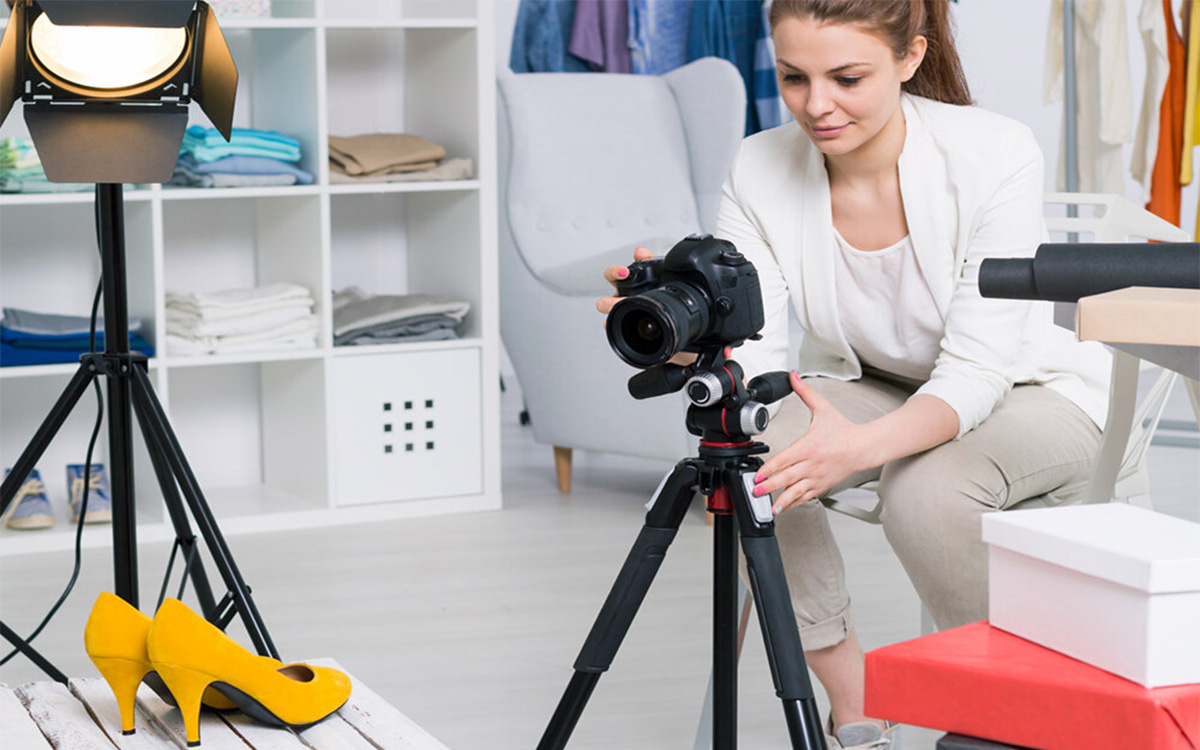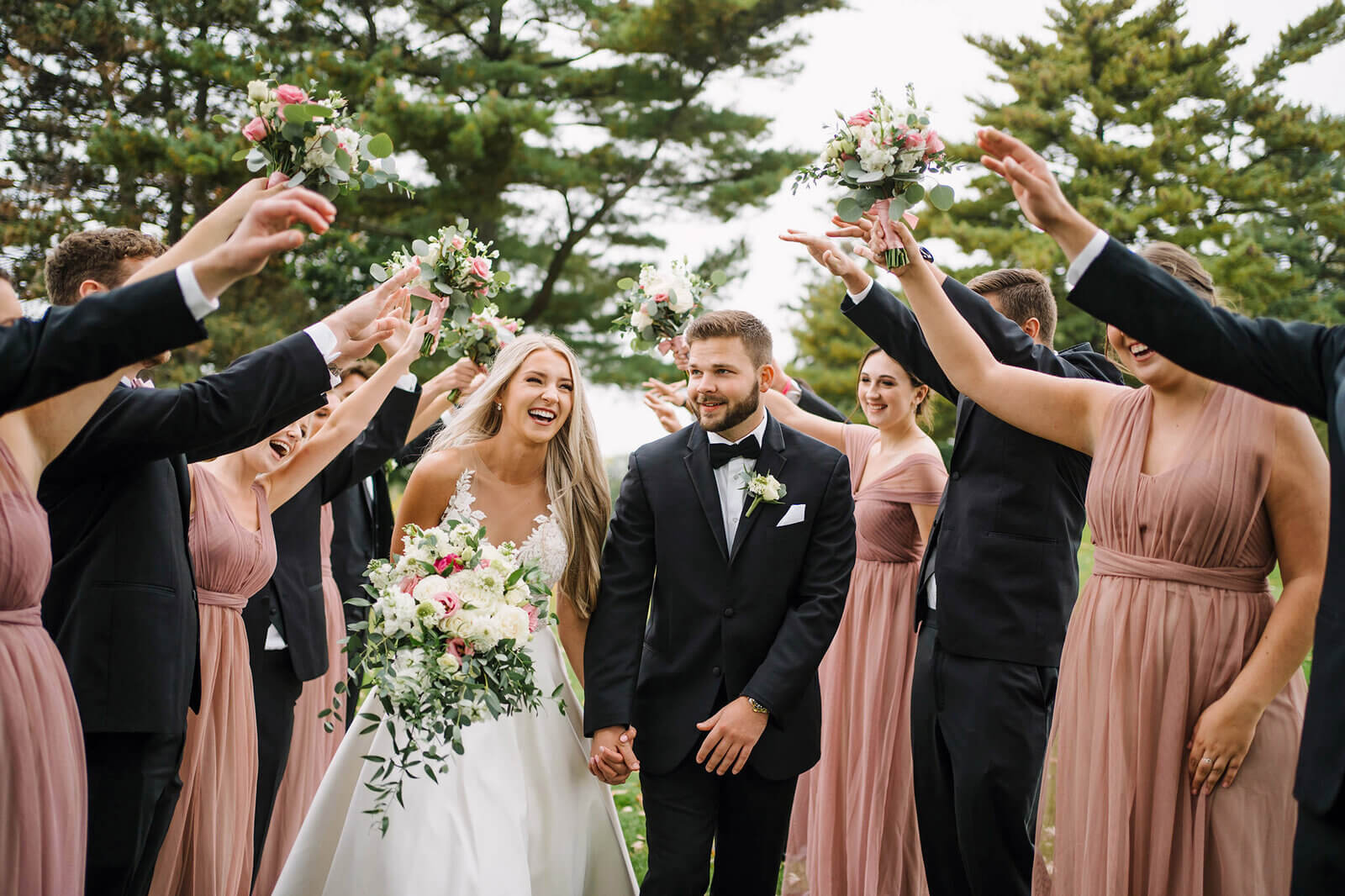
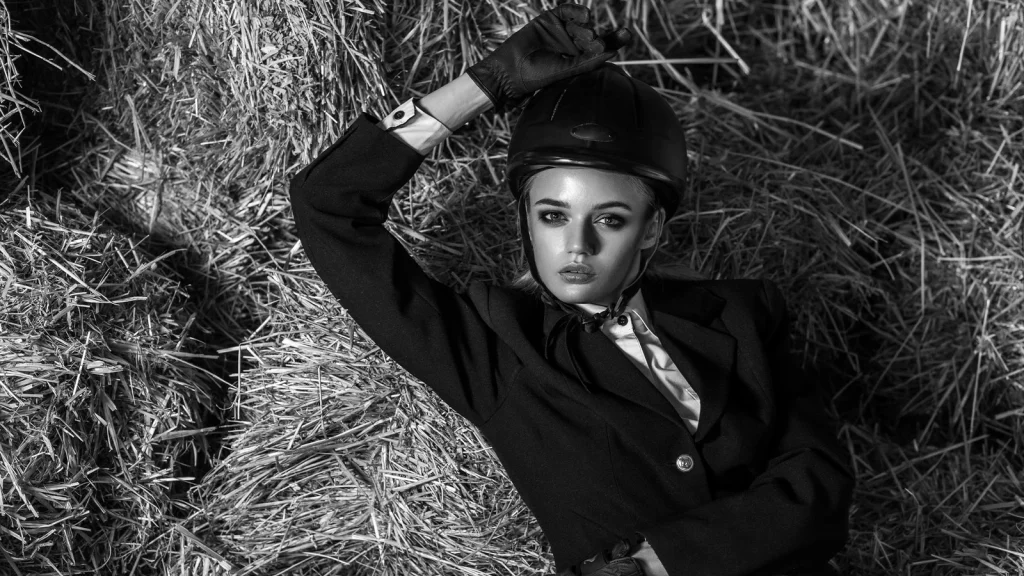
Fashion photography is a genre of photography that showcases clothing, accessories, and beauty products through visually compelling imagery. It blends portraiture, product photography, and fine art to create images that sell style, shape brand identity, and tell stories that move people to act.
You have seen fashion photography everywhere, even if you did not call it that. The full-page spread in Vogue. The campaign billboard for a luxury perfume. The crisp product shots on a Shopify storefront. The styled Instagram carousel from an emerging designer. All of it falls under the umbrella of fashion photography, and each format serves a different purpose within the broader fashion industry.
What ties them together is intent. Every fashion photograph is designed to do more than document a garment. It is designed to communicate a feeling, position a brand, or inspire a purchase. That is what separates a fashion image from a snapshot of someone wearing clothes.
And here is what most beginners overlook: the final image you admire in any campaign or editorial is never just the photographer’s work. It is a collaboration between the creative team on set and the retouching team behind the screen. Color grading, skin retouching, background editing, and shadow refinement shape the raw frame into a polished, publishable photograph.
Need professional retouching for your fashion images? From skin work to background removal, expert post-production transforms good shots into great ones.Explore Photo Retouching Services →
Characteristics of Fashion Photography
What makes a photograph qualify as fashion photography? It is not the camera or the model. It is a set of deliberate creative choices that separate fashion imagery from any other genre.
Intentional Styling
Every element in the frame is curated. The wardrobe, accessories, hair, and makeup exist to serve a creative direction, not to look “normal.” Even minimal styling is a deliberate choice.
Purposeful Posing
Fashion models are directed into poses that showcase the garment’s silhouette, movement, or texture. Posing in fashion photography is performative, not candid. It amplifies the story.
Controlled Lighting
Whether it is studio strobes with a beauty dish or golden hour sunlight through a window, lighting in fashion photography is never accidental. It sculpts the subject, defines the mood, and directs the viewer’s eye to the clothing.
Visual Storytelling
A strong fashion photograph communicates something beyond the garment. It creates aspiration, evokes emotion, or places the viewer inside a narrative they want to belong to.
Brand Alignment
The image must feel like it belongs to the brand it represents. A Chanel campaign looks nothing like a streetwear lookbook, and that distinction is coded into every detail, from the color palette to the casting.
Composition and Color Theory
Negative space, framing, leading lines, and deliberate color palettes are foundational. Fashion photographers think in terms of visual balance, not just “getting the shot.”
Post-Production Refinement
No fashion image reaches publication in its raw state. Color correction, retouching, and background editing are as integral to fashion photography as the shoot itself.
What Is the Purpose of Fashion Photography?
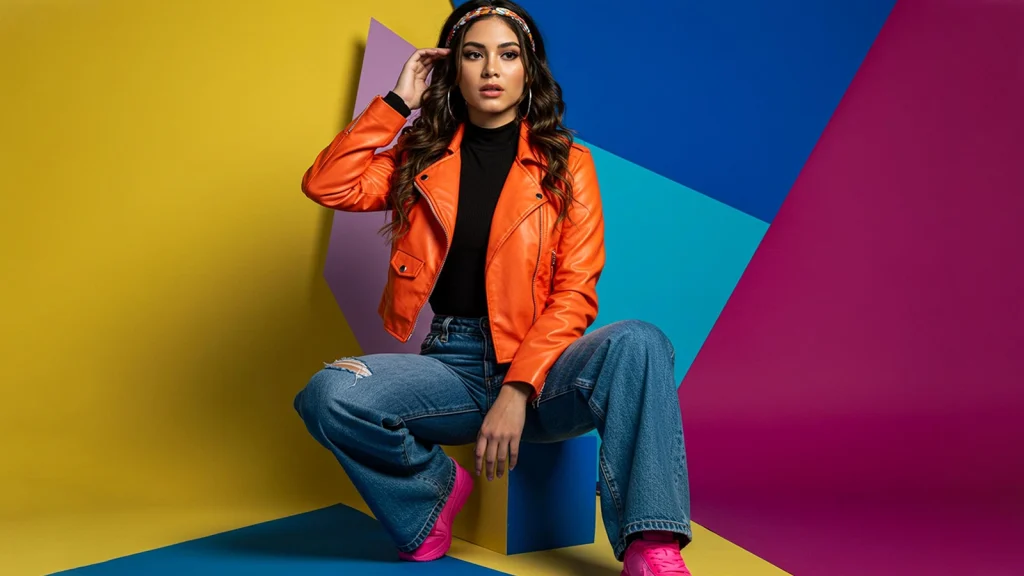
The purpose of fashion photography has expanded far beyond magazine pages. It now powers almost every visual touchpoint in the fashion industry.
Selling Products and Driving Conversions
At its most practical, fashion photography exists to sell. Whether on a Shopify store, an Amazon listing, or a print catalogue, the image is what convinces a buyer to click “add to cart.” According to Shopify, product pages with high-quality lifestyle images see measurably higher conversion rates than those with plain product shots alone.
Building Brand Identity
The visual language a brand uses in its photography defines how consumers perceive it. A Dior campaign feels different from a Zara lookbook, and that difference is established through photography. Fashion images set the tone for luxury positioning, streetwear credibility, or sustainable brand values.
Storytelling and Editorial Expression
Editorial fashion photography tells stories that transcend the garments. A ten-page spread in Harper’s Bazaar or Elle is not about selling a specific dress. It is about creating a world the reader wants to inhabit.
Fueling Social Commerce
Instagram, TikTok, and Pinterest have turned this niche into a direct sales engine. Social-first fashion imagery drives discovery, engagement, and purchase decisions for millions of consumers daily.
Trend Creation
Fashion photographers do not just capture trends. They create them. The images that define a season’s aesthetic originate in lookbooks, campaigns, and editorial shoots long before those trends reach the high street.
Types of Fashion Photography
This is not a monolith. It spans a range of styles, each with different creative demands, production requirements, and end goals. Understanding the types helps you choose the right approach, whether you are shooting, hiring, or editing.
Editorial
Editorial fashion photography is storytelling-first. It appears in publications like Vogue magazine, Harper’s Bazaar, and Elle, where the images accompany written features or stand as visual narratives on their own. The photographer has significant creative freedom here.
Mood, atmosphere, and concept take priority over product visibility. A ten-image editorial spread might include dramatic locations, unconventional posing, and artistic lighting that would never work on a product page. The goal is not to sell a specific garment but to create an emotional world around it.
High Fashion
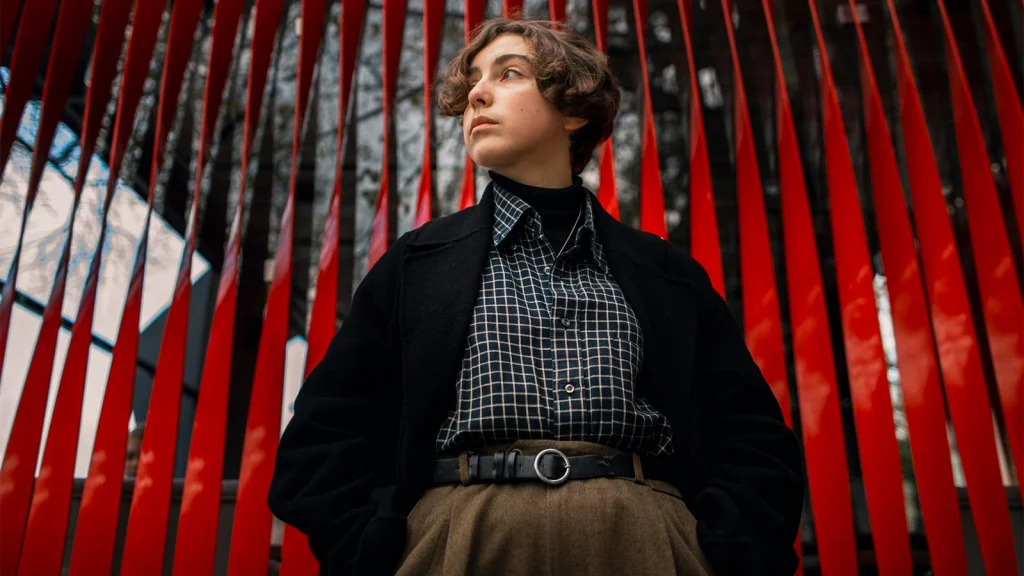
High fashion photography is the domain of luxury houses like Chanel, Dior, Gucci, and Louis Vuitton. Think magazine covers, seasonal campaign images, and haute couture runway documentation.
Styling here is exaggerated and theatrical. Makeup, hair, and wardrobe are pushed to extremes. Models are typically high-profile or supermodels who can convey intensity and elegance under precise direction. Studio lighting setups tend to be dramatic, with sharp contrasts and carefully sculpted shadows.
Commercial and Advertising
Commercial fashion photography is purpose-built for advertising campaigns, billboards, print ads, and brand marketing materials. Unlike editorial work, the brand’s guidelines and messaging drive every creative decision.
The image must sell. Product visibility, brand alignment, and broad audience appeal are paramount. There is less room for artistic abstraction and more emphasis on clarity, consistency, and commercial appeal.
Catalogue
Catalogue photography is the most straightforward subtype. Clean backgrounds, minimal styling, and a product-first approach. The purpose is to show the garment clearly: how it fits, drapes, and looks on a body. Think traditional print catalogues or brand lookbooks where garments are presented with minimal creative embellishment.
Ecommerce
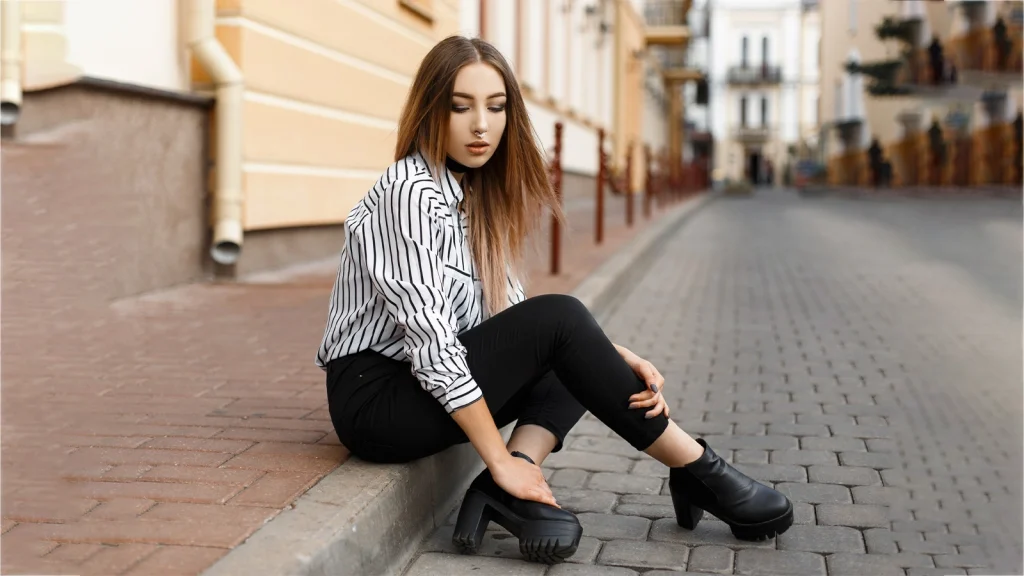
Ecommerce fashion photography is distinct from catalogue work, even though they overlap. Images shot for platforms like Shopify, Amazon, or WooCommerce need to meet specific technical standards: consistent backgrounds, multiple angles, accurate color representation, and often ghost mannequin editing that gives clothing a 3D, on-body appearance without a visible model.
When a brand manages hundreds or thousands of SKUs, consistency across every product image becomes critical. Post-production handles the heavy lifting here: background removal, shadow creation, color matching, and batch editing to ensure a cohesive storefront.
Street
Street fashion photography captures real-world style in urban environments. It emphasizes authenticity, subculture, and personal expression over polished production. Instagram and fashion blogs fueled its rise, and it remains one of the most accessible entry points for aspiring fashion photographers.
The gear is minimal. The skill requirement is high. Timing, instinct, and the ability to spot compelling style in a moving crowd define success in this space.
Lifestyle
Lifestyle fashion photography places fashion in everyday contexts: a coffee shop, a sunlit apartment, a park bench. The images feel natural and relatable, even though they are carefully staged.
This style is heavily used in brand lookbooks, social media content, and direct-to-consumer marketing. It shows consumers how the clothes fit into real life, not just a studio.
Conceptual
Conceptual fashion photography is where fashion meets fine art. The images may be surreal, abstract, or emotionally provocative. Think Salvador Dali’s influence on fashion visuals or avant-garde campaigns that prioritize artistic expression over commercial viability.
This style appears in gallery exhibitions, art publications, and experimental brand campaigns. It pushes boundaries and often sparks conversation, which is the point.
Runway
Runway fashion photography documents live shows during fashion weeks in Paris, Milan, London, and New York. It demands speed, anticipation, and the ability to capture a garment in motion under challenging lighting conditions. There is no second take on the runway.
Fashion Photography vs. Other Photography Styles
Fashion photography overlaps with several other genres, and the boundaries are often fluid. But understanding the distinctions helps photographers, brands, and editors choose the right approach for any project.
| Style | Primary Focus | Subject | End Use |
|---|---|---|---|
| Fashion Photography | Clothing, accessories, brand identity | Styled models | Campaigns, magazines, ecommerce |
| Portrait Photography | The person, their character | Individuals | Personal branding, social media |
| Product Photography | The object itself | Products (no model) | Ecommerce listings, catalogues |
| Commercial Photography | Selling a product or service | Varies | Ads, marketing materials |
| Editorial Photography | Storytelling through images | Varies | Magazines, publications |
| Lifestyle Photography | Authentic moments, daily life | People in context | Brand content, social media |
These categories are not rigid walls. A lifestyle shoot can incorporate fashion elements. An editorial piece can serve commercial goals. The overlap is what makes fashion photography versatile and, sometimes, difficult to define. For a deeper look into how portrait photography differs from fashion work, that comparison is worth exploring separately.
What Is the Difference Between Editorial and Fashion Photography?
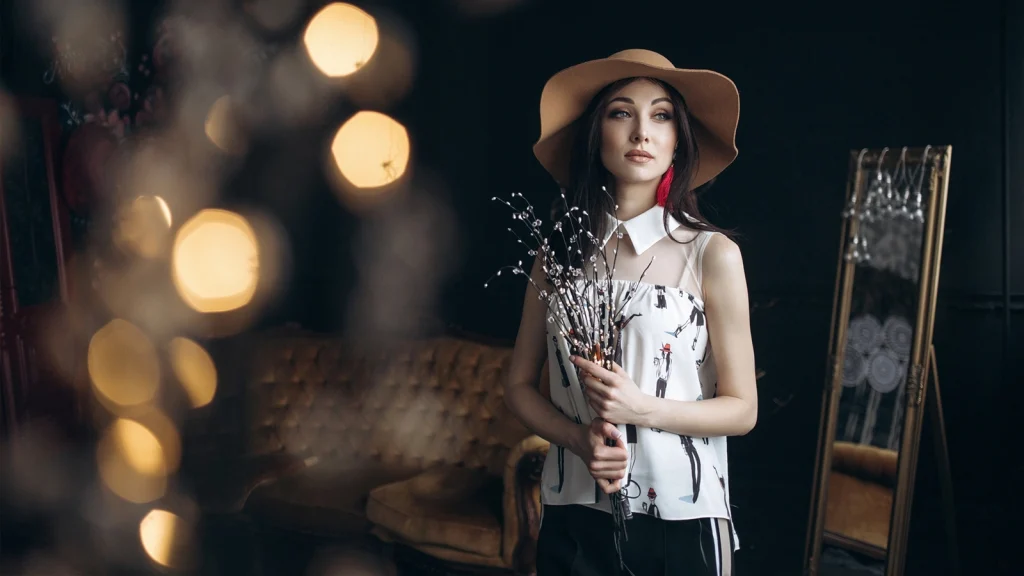
This is one of the most common points of confusion, and the answer is straightforward: editorial fashion photography is a subset of fashion photography, not a separate genre.
All editorial fashion photography is fashion photography. But not all fashion photography is editorial. Here is how they differ in practice.
Creative Freedom
Editorial work gives the photographer and creative director more artistic license. Commercial fashion follows the brand’s established guidelines and messaging framework.
Purpose
Editorial tells a visual story or sets a mood. Commercial sells a specific product or collection.
Where It Appears
Editorial lives in magazine features, digital publications, and art books. Commercial appears in advertising campaigns, product pages, and marketing materials.
Post-Production Style
Editorial retouching can be artistic, stylized, and experimental. Commercial retouching prioritizes color accuracy, consistency, and faithful product representation.
Compensation
Editorial tends to pay less per shoot but builds creative reputation. Commercial pays significantly more but offers less artistic flexibility.
The Evolution of Fashion Photography
Understanding the history of fashion photography is not just academic. Each era introduced ideas that still shape how we shoot and edit today.
The 1850s: The First Fashion Model
In 1856, photographer Pierre-Louis Pierson created a series of 288 photographs of Virginia Oldoini, Countess di Castiglione, at the court of Napoleon III. The Countess, a Tuscan noblewoman, posed deliberately in her elaborate court garb, making her the earliest known fashion model.
Why it mattered: these images proved that photography could serve fashion, not just document it. The Countess was not captured incidentally. She performed for the camera, understanding its power to project style and status.
The 1910s to 1930s: Magazines Transform the Genre
Fashion photography as a professional discipline began in the early 20th century. In 1913, Condé Nast appointed Adolph de Meyer as the first staff photographer for Vogue, shifting the magazine from hand-drawn illustrations to photographic imagery.
Around the same time, French publisher Lucien Vogel challenged Edward Steichen to use photography to promote fashion. Steichen photographed gowns designed by couturier Paul Poiret, and those images appeared in Art et Decoration magazine in 1911. They are considered among the first modern fashion photographs.
This era also saw early fashion houses like Chanel and Balenciaga leverage photography to build their visual identities. La Mode Pratique and publications by Condé Nast made fashion accessible to readers beyond the elite.
The 1950s and 1960s: Movement Replaced Stillness
Richard Avedon and Irving Penn shattered the rigid studio conventions of earlier decades. Avedon brought energy and movement to fashion imagery, shooting models in motion on the streets of Paris. His iconic photograph “Dovima with Elephants” (1955) remains one of the most recognized fashion images in history.
Fashion models like Jean Shrimpton became cultural icons, and the photographer’s creative vision became as important as the garments being photographed. This was the era that elevated fashion photography from documentation to artistic expression.
The 1970s and 1980s: Provocation and Global Business
Helmut Newton brought a bold, provocative sensibility to editorial fashion photography, particularly in his work for French Vogue. His images were dramatic, confrontational, and impossible to ignore. Meanwhile, feminist photographers like Sarah Moon and Deborah Turbeville introduced new female-driven narratives into a historically male-dominated field.
By the 1980s, advertising campaigns had turned fashion photography into a global industry. The photographer’s name on a campaign became a marketing asset in itself. Fashion photographers like Karl Lagerfeld straddled both design and photography, blurring the line between fashion designer and image-maker.
The 1990s and 2000s: Supermodels and the Digital Shift
Peter Lindbergh’s January 1990 British Vogue cover, featuring Naomi Campbell, Linda Evangelista, Cindy Crawford, Christy Turlington, and Tatjana Patitz, is widely credited with launching the supermodel era. Lindbergh championed natural beauty and minimal retouching, a philosophy that continues to influence the industry.
Digital cameras began replacing film. Post-production workflows shifted from darkrooms to photo editing software like Adobe Photoshop. The accessibility of digital tools democratized production and accelerated output.
The 2010s to Today: Democratization and AI
Social media, particularly Instagram, dismantled the traditional gatekeepers of fashion photography. Emerging photographers no longer needed magazine editors to validate their work. A strong Instagram portfolio could attract clients directly.
Smartphones made fashion photography accessible to anyone with a creative eye. AI tools entered post-production workflows, handling repetitive tasks like background replacement and batch retouching, while creative direction, styling, and visual storytelling remained firmly human.
Famous Fashion Photography Examples and Photographers
Certain photographers defined not just the genre but entire eras of visual culture. Their work shaped how we see fashion, beauty, and identity.
Richard Avedon
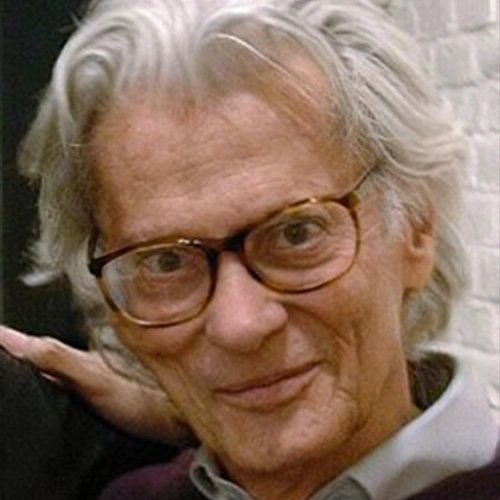
Avedon redefined fashion photography by introducing energy and spontaneity. His 1955 photograph “Dovima with Elephants” placed a model in a black Dior gown between two circus elephants, creating one of the most enduring images in fashion history. His approach influenced every fashion photographer who came after him.
Helmut Newton
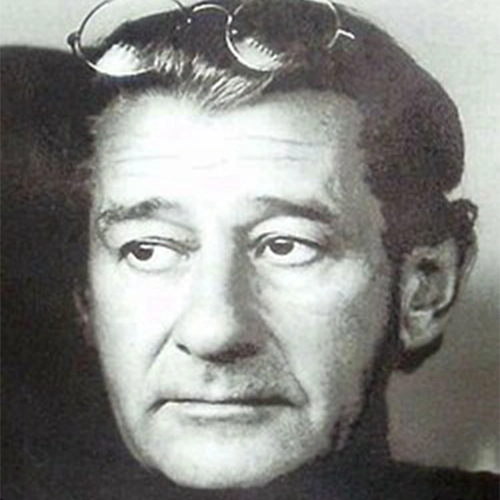
Newton’s provocative, high-contrast editorial work for French Vogue set the template for dramatic fashion imagery. His compositions were theatrical, confrontational, and unmistakable.
Annie Leibovitz
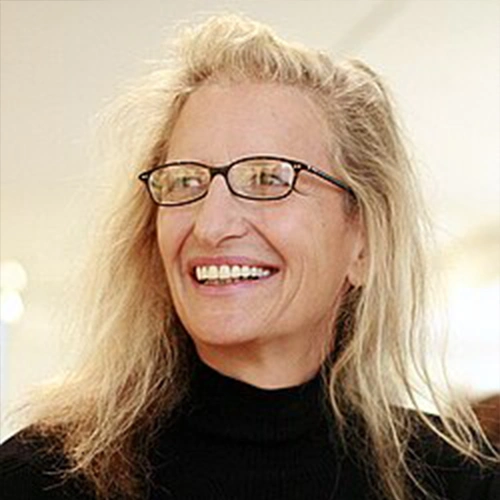
The first woman named chief photographer at Rolling Stone, Leibovitz brought cinematic staging to fashion photography. Her work for Vanity Fair and Vogue blurred the line between celebrity portraiture and fashion imagery.
Peter Lindbergh
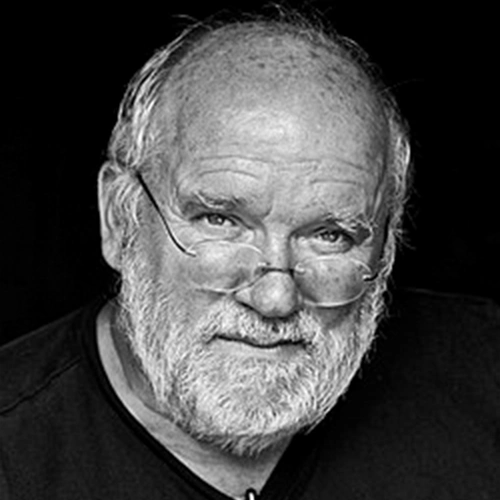
Lindbergh championed natural beauty in an era of heavy retouching. His 1990 British Vogue cover launched the supermodel phenomenon. He proved that fashion photographs did not need perfection to be powerful.
Mario Testino
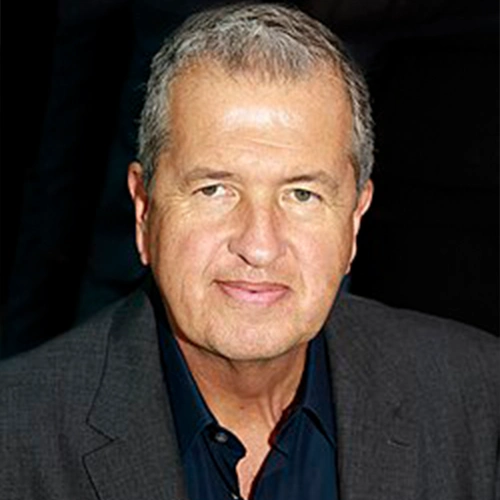
Testino defined contemporary high fashion campaigns with warmth, energy, and intimacy. His work shaped the visual identity of brands like Gucci and Burberry across decades of advertising campaigns.
Iconic Fashion Photography Examples from Brands
Beyond individual photographers, some brand campaigns have become fashion photography landmarks in their own right.
Dior’s New Look campaigns
Christian Dior’s post-war imagery helped define mid-century elegance. The brand continues to produce some of the most visually striking campaign photography in luxury fashion.
Gucci under Alessandro Michel
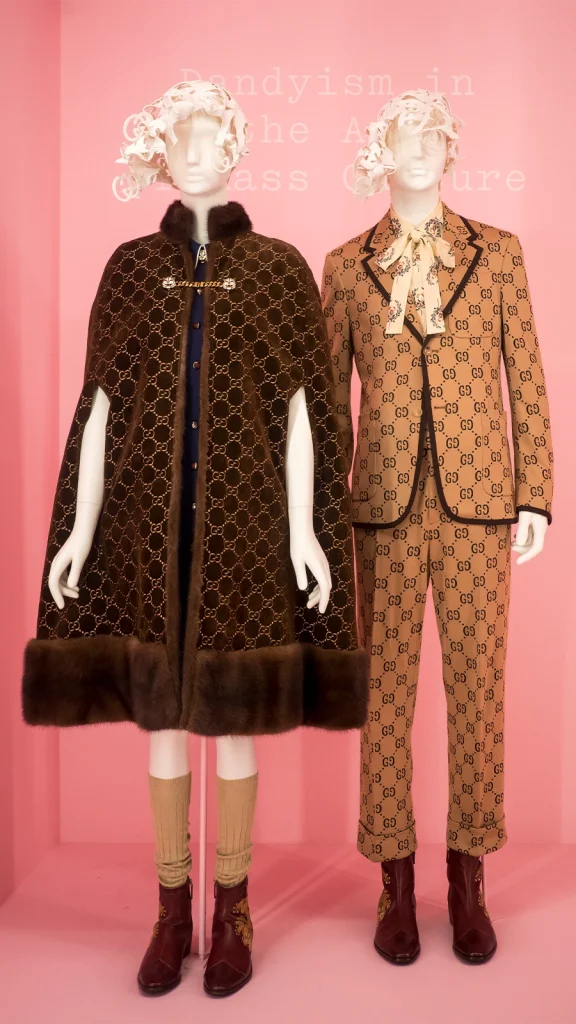
Gucci’s campaigns from the mid-2010s onward embraced maximalism, eclectic styling, and cinematic storytelling. The photography felt more like film stills than traditional advertising.
Vogue covers across eras
From Irving Penn’s controlled compositions in the 1950s to today’s diverse cover stars, Vogue magazine covers serve as a visual timeline of how fashion photography has evolved decade by decade.
Calvin Klein’s minimalism
The brand’s stripped-back, provocative campaigns in the 1990s proved that restraint can be as powerful as excess. Clean compositions, neutral palettes, and raw emotion defined their visual identity.
Behind the Scenes: How a Fashion Shoot Works
The final image is the tip of the iceberg. A professional fashion shoot follows a structured workflow that begins long before the camera clicks and continues well after the last frame is captured.
Pre-Production
Client brief
Every shoot starts with a clear brief. What is the purpose? A seasonal campaign, an editorial feature, an ecommerce product shoot, or a fashion portfolio for a designer? The brief defines everything downstream.
Mood board
Visual references, color palettes, lighting inspiration, and styling direction are assembled into a mood board. This document aligns the entire team on the creative vision before anyone arrives on set.
Wardrobe and styling
The fashion stylist selects finished garments, accessories, shoes, and jewelry. Hair and makeup teams plan looks that complement the clothing and concept.
Location scouting
Studio or location? Urban rooftop or countryside estate? The setting shapes the narrative. For outdoor fashion shoots, natural light and weather are significant variables that must be accounted for.
Shot list and team assembly
The photographer, stylist, creative director, fashion models, makeup artist, and assistants are confirmed. A shot list details every angle, outfit change, and composition.
The Shoot
Test shots lock the lighting and camera settings. The photographer directs the model through poses that highlight the garment’s silhouette, texture, and movement. Styling is adjusted continuously: a wrinkle straightened, a collar repositioned, a stray hair fixed.
Posing is where direction meets instinct. Common fashion photography poses include angular body positions that elongate the silhouette, hands placed to draw attention to accessories or necklines, and walking movement shots that show how fabric falls in motion. The photographer’s job is to guide the model into positions that serve the garment, not just look aesthetically pleasing.
Hundreds of frames are captured for every final image. A single editorial spread might require a full day of shooting across multiple setups, outfit changes, and lighting configurations.
Post-Production
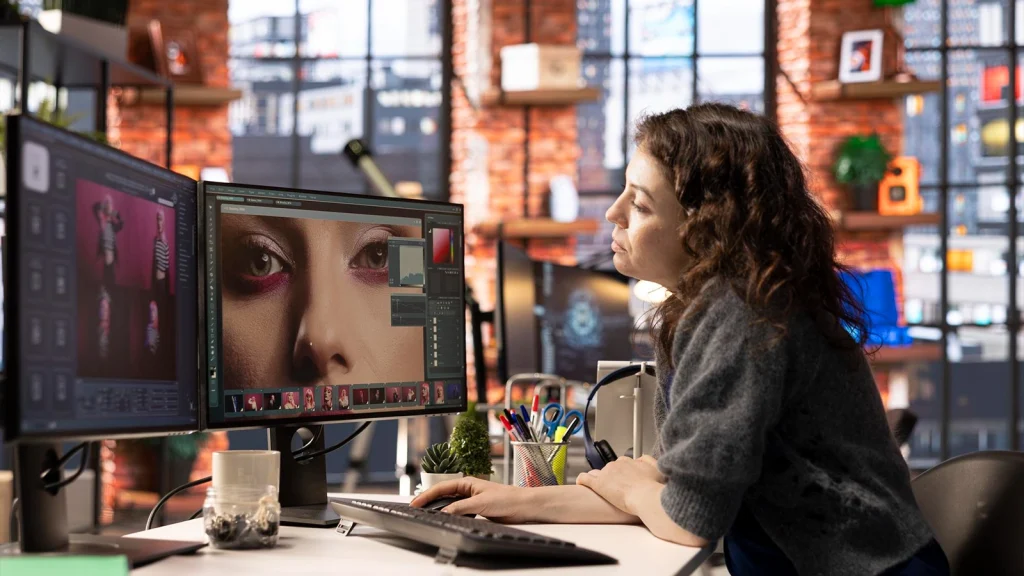
This is where the raw photograph becomes the finished image. The process includes culling and selecting the strongest frames, applying color grading to establish mood and consistency, retouching skin and fabric, removing or replacing backgrounds, and preparing files for the specific delivery format (print, web, or social).
For most professional fashion work, post-production takes as long as the shoot itself. The final image is a collaboration between the photographer and the retouching team.
How to Become a Fashion Photographer
Breaking into fashion photography takes more than talent. It takes a deliberate approach to building skills, a portfolio, and a network.
Learn photography fundamentals
Master lighting techniques, composition, exposure, and camera mechanics before specializing. Understanding how light interacts with fabric and skin is foundational to fashion work.
Study fashion imagery obsessively
Browse Vogue, Elle, Harper’s Bazaar, and fashion blogs. Analyze why certain images work. Pay attention to color palettes, styling choices, and how garments are presented.
Build a portfolio through test shoots
Collaborate with emerging models, stylists, and makeup artists. A strong modeling portfolio guide can help you understand what models need, which improves collaboration.
Assist established fashion photographers
On-set experience is irreplaceable. Assisting teaches you professional workflows, client management, and real-world problem-solving that no course can replicate.
Learn basic post-production
Even if you outsource retouching, understanding tools like Adobe Lightroom and Photoshop helps you communicate with editors. Knowing what is achievable in post-production shapes how you shoot.
Network relentlessly
Fashion photography is a collaborative industry. Relationships with stylists, fashion designers, makeup artists, and agencies are how you get work.
What Degree Is Needed for Fashion Photography?
No specific degree is required. Portfolio quality and real-world experience carry far more weight than credentials in this field. Many successful fashion photographers are entirely self-taught.
That said, formal education can accelerate development. Programs in photography, visual arts, or fashion communication at institutions like Istituto Marangoni, Parsons, or the London College of Fashion offer structured industry exposure and professional networking opportunities.
Essential Skills for Fashion Photographers
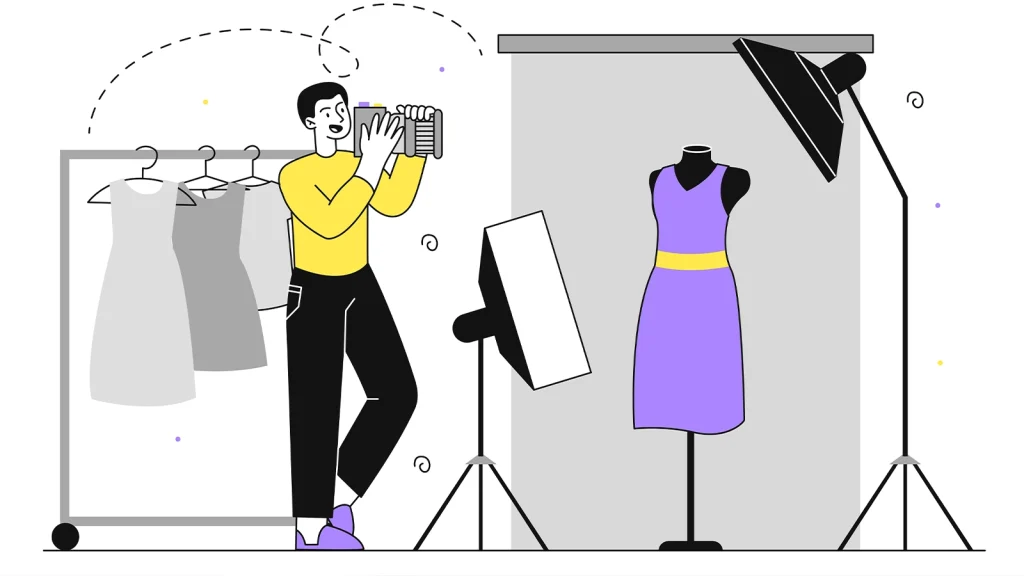
Technical: Camera operation across lighting setups, lens selection, exposure control, studio and outdoor shooting, basic retouching in Lightroom and Photoshop.
Creative: Visual storytelling, styling awareness, trend sensitivity, color theory, and the ability to develop and execute a creative vision from concept to completion.
Interpersonal: Model direction, team collaboration, client communication, and adaptability under pressure. Fashion shoots are fast, and problems are constant.
The Role of Photo Editing in Fashion Photography
No fashion image you have seen in a magazine, on a billboard, or on an ecommerce storefront went straight from camera to publication. Post-production is where the photographer’s vision becomes the finished product.
Color Correction and Grading
Sets the emotional tone and ensures visual consistency across a series. A warm, golden palette tells a different story than desaturated, moody tones. Getting the distinction between color grading and color correction right is essential for delivering consistent fashion imagery.
High-End Retouching
Professional skin retouching enhances without erasing natural texture. Stray hairs, blemishes, and fabric imperfections are corrected while maintaining a believable, human appearance. This process is covered in depth in our guide to high-end photo retouching.
Background Removal and Replacement
Essential for ecommerce and catalogue images. Clean, consistent backgrounds are a baseline requirement for platforms like Amazon and Shopify.
Ghost Mannequin Editing
Gives clothing a three-dimensional, on-body shape without a visible model or mannequin. Critical for clothing photography at scale.
Shadow Creation
Drop shadows and natural shadows add depth and realism to product shots. Without them, garments appear to float.
For brands producing fashion imagery at volume, outsourcing post-production to a specialized photo editing service ensures consistency and frees photographers to focus on shooting.
Fashion Photography Equipment and Camera Settings
The best camera for fashion photography is the one that matches your shoot’s demands. That said, certain gear combinations are standard across the industry.
Camera bodies: Full-frame DSLRs or mirrorless cameras are the standard. Models like the Canon EOS R5, Sony A7 IV, and Nikon Z8 deliver the resolution and dynamic range fashion work demands.
Lenses: A 50mm f/1.4 for versatility, an 85mm f/1.4 for flattering portraits, and a 70-200mm f/2.8 for runway and distance work. The camera lens you choose directly shapes how the garment and model appear in the frame.
Lighting: Studio strobes with softboxes and beauty dishes for controlled indoor shoots. Reflectors and V-flats for fill. Natural light for lifestyle and outdoor fashion shoots. Understanding lighting setups is arguably more important than the camera body you own.
Key Lighting Techniques for Fashion Photography
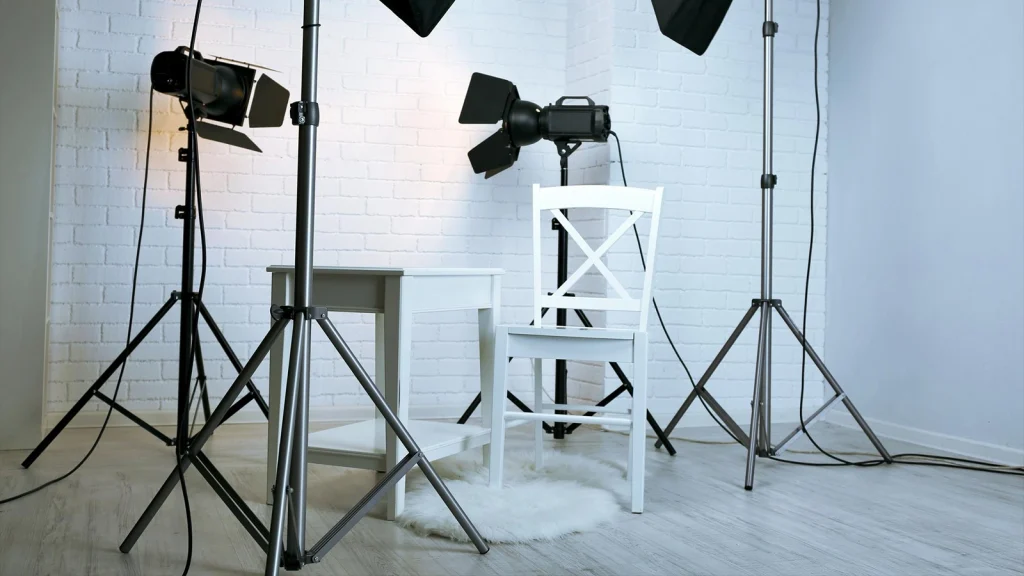
Different lighting techniques create dramatically different moods. Here are the setups fashion photographers rely on most.
Butterfly lighting: A single light source placed directly above and in front of the model creates a small, symmetrical shadow beneath the nose. It flatters bone structure and is a staple in beauty and high fashion work.
Clamshell lighting: Two light sources, one above and one below the model’s face, with a reflector filling from underneath. It produces even, soft illumination that minimizes shadows. Ideal for beauty shots and clean catalogue imagery.
Rembrandt lighting: Named after the painter, this technique places the key light at a 45-degree angle to the model, creating a distinctive triangle of light on the shadowed cheek. It adds depth and drama, commonly used in editorial and high fashion shoots.
Hard light: Unmodified or barely diffused light that creates sharp, defined shadows. It produces bold, graphic images with strong contrast. Used when the creative direction calls for intensity over softness.
Softbox diffusion: Large softboxes spread light evenly across the subject, reducing harsh shadows and creating a smooth, flattering look. The workhorse of studio fashion photography.
Best Camera Settings for Fashion Photography
Camera settings in fashion photography depend on the shoot type and lighting setup. Here is what each setting controls and where to start.
Aperture (f/5.6 to f/8): Controls depth of field. A wider aperture like f/2.8 blurs the background beautifully for portraits but risks leaving parts of the garment out of focus. For full-body fashion shots where the entire outfit must be sharp, f/5.6 to f/8 is the safe range.
Shutter speed (1/125 to 1/200): Freezes motion. For static studio poses, 1/125 works fine. For movement shots or runway photography, bump it to 1/250 or higher to eliminate motion blur.
ISO (100 to 200): Controls sensor sensitivity. Keep it as low as possible to minimize noise and retain maximum detail. In a well-lit studio, ISO 100 is standard. Increase only when ambient light is insufficient.
White balance: Set to match your lighting source. For studio strobes, use the flash preset. For natural light, auto white balance or a custom Kelvin setting works. Getting white balance right in camera reduces correction time in post.
For a deeper look at how to set up a functional fashion and product photography studio, that guide covers space, gear, and budget considerations.
Fashion Photography Trends in 2026
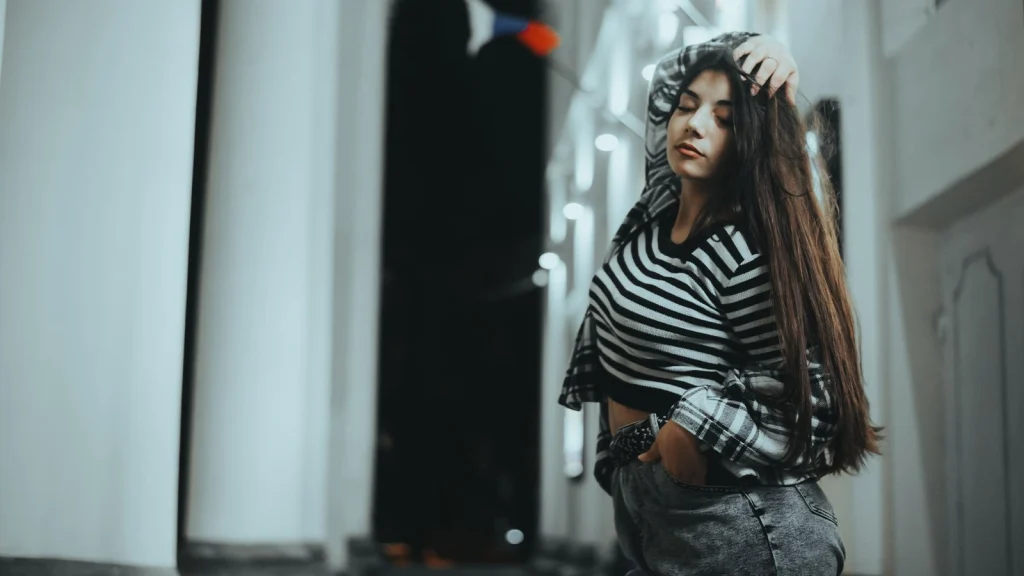
The fashion photography landscape continues to shift. Here are the developments shaping the field right now.
Minimal Retouching and Natural Skin Texture
The industry is moving away from heavy airbrushing. Peter Lindbergh’s philosophy of preserving natural beauty is becoming mainstream. Audiences want authenticity, and brands are responding.
Inclusive Casting
Diverse body types, ages, ethnicities, and gender expressions are no longer exceptions. They are the standard. Campaigns that reflect real-world diversity consistently outperform homogeneous imagery in engagement.
AI-Assisted Production
AI tools handle repetitive post-production tasks: background replacement, object selection, batch retouching, and mockup generation. What AI does not replace is creative direction, posing, brand storytelling, or the human judgment that defines great fashion photography. The technology accelerates workflows without replacing the creative core.
Motion-First Content
Short-form video on Instagram Reels and TikTok is now as important as still photography for fashion brands. Many shoots now produce both stills and video simultaneously.
Editorial Ecommerce
Product pages are adopting editorial-style imagery alongside standard product shots. Styled, contextual images increase time on page and conversion rates compared to white-background-only listings.
Social-First Shooting
Content is shot with social media dimensions and formats in mind from the start, not cropped afterward. Vertical framing for Stories, square crops for feeds, and wide formats for desktop are all planned during pre-production.
Fashion Photography Ideas to Inspire Your Next Shoot
If you are planning a fashion shoot and need creative direction, here are proven concepts that work across editorial, commercial, and social media contexts.
Monochrome and Black-and-White
Stripping away color forces the viewer to focus on texture, form, and emotion. Black-and-white fashion photography has a timeless editorial quality that never goes out of style.
Rooftop and Urban Environments
City skylines, industrial textures, and architectural lines create a striking contrast with polished fashion styling. Urban shoots add grit and energy to the imagery.
Vintage and Retro Styling
Recreating the aesthetics of a specific decade, whether 1970s bohemian or 1990s grunge, gives a shoot a strong visual identity and nostalgic appeal.
Minimalist Studio Beauty
A clean backdrop, a single light source, and stripped-back styling. This approach puts the garment and the model front and center with zero distractions.
Seasonal Storytelling
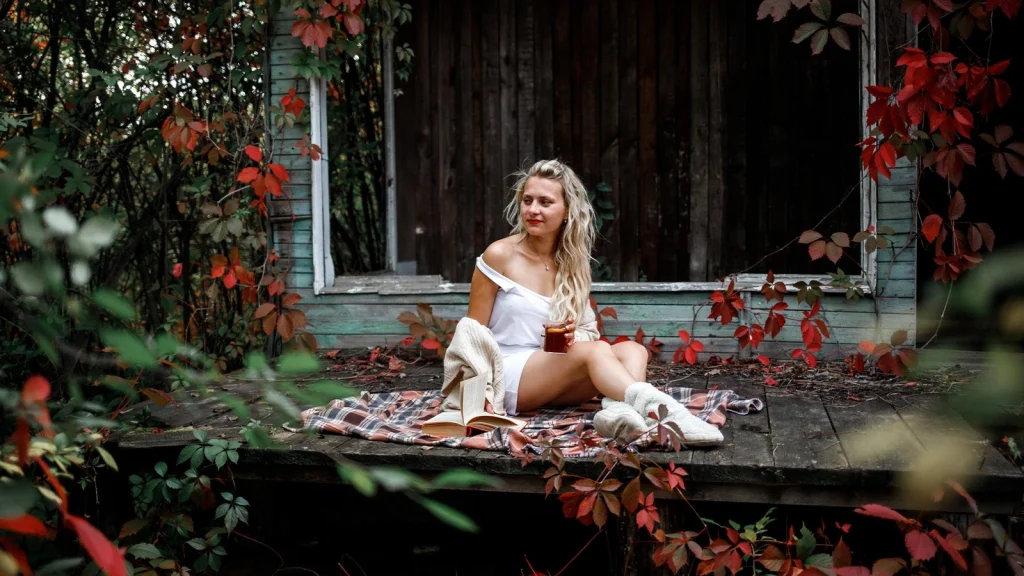
Autumn leaves, winter snow, summer golden hour, or spring florals. Seasonal settings create instant mood and pair naturally with seasonal fashion collections.
Editorial Narrative
Build a mini-story across 5 to 10 images. A character, a setting, a mood arc. This approach is what editorial fashion photography is built on, and it works equally well for social media carousels.
Luxury and Opulence
Rich fabrics, ornate settings, warm tones, and dramatic lighting. Suited for high-end brands and formal collections where the imagery must communicate exclusivity.
Frequently Asked Questions
What is the difference between fashion photography and portrait photography?
Fashion photography focuses on the clothing, styling, and brand narrative. Portrait photography focuses on the person and their character. They overlap, but the intent is different. In fashion, the garment drives the composition. In portraiture, the individual does.
How much do fashion photographers earn?
Income varies widely. Entry-level fashion photographers may earn $25,000 to $40,000 annually in the U.S. Established photographers working with major brands or publications can command $1,000 to $10,000+ per shoot day. Income depends on experience, client profile, and specialization.
Can you do fashion photography with a smartphone?
Yes, particularly for street fashion, social media content, and personal projects. Smartphone cameras now offer enough resolution and dynamic range for many social-first applications. For commercial and editorial work, professional cameras and lighting setups remain the standard.
What makes a good fashion photograph?
Intentional styling, controlled lighting, purposeful composition, and a clear narrative. The best fashion photographs make the viewer feel something before they consciously notice the clothing. That emotional response is what separates compelling fashion imagery from forgettable product shots.
Do fashion photographers do their own editing?
Many handle basic tasks like culling and color correction in Lightroom. High-end retouching is typically outsourced to specialized editors, particularly for campaigns, editorial spreads, and ecommerce at scale.
Final Thoughts
Fashion photography is a craft that demands creative vision, technical precision, and a deep understanding of how images shape perception. Whether you are behind the camera directing a shoot or behind the screen perfecting the final frame, every step in the process matters.
What separates a forgettable image from a lasting one is rarely the camera. It is the intent behind the shot, the skill of the team on set, and the quality of the post-production that follows. Understanding the full pipeline, from concept to delivery, is what builds a career in this space.